Domain of the Jaguar
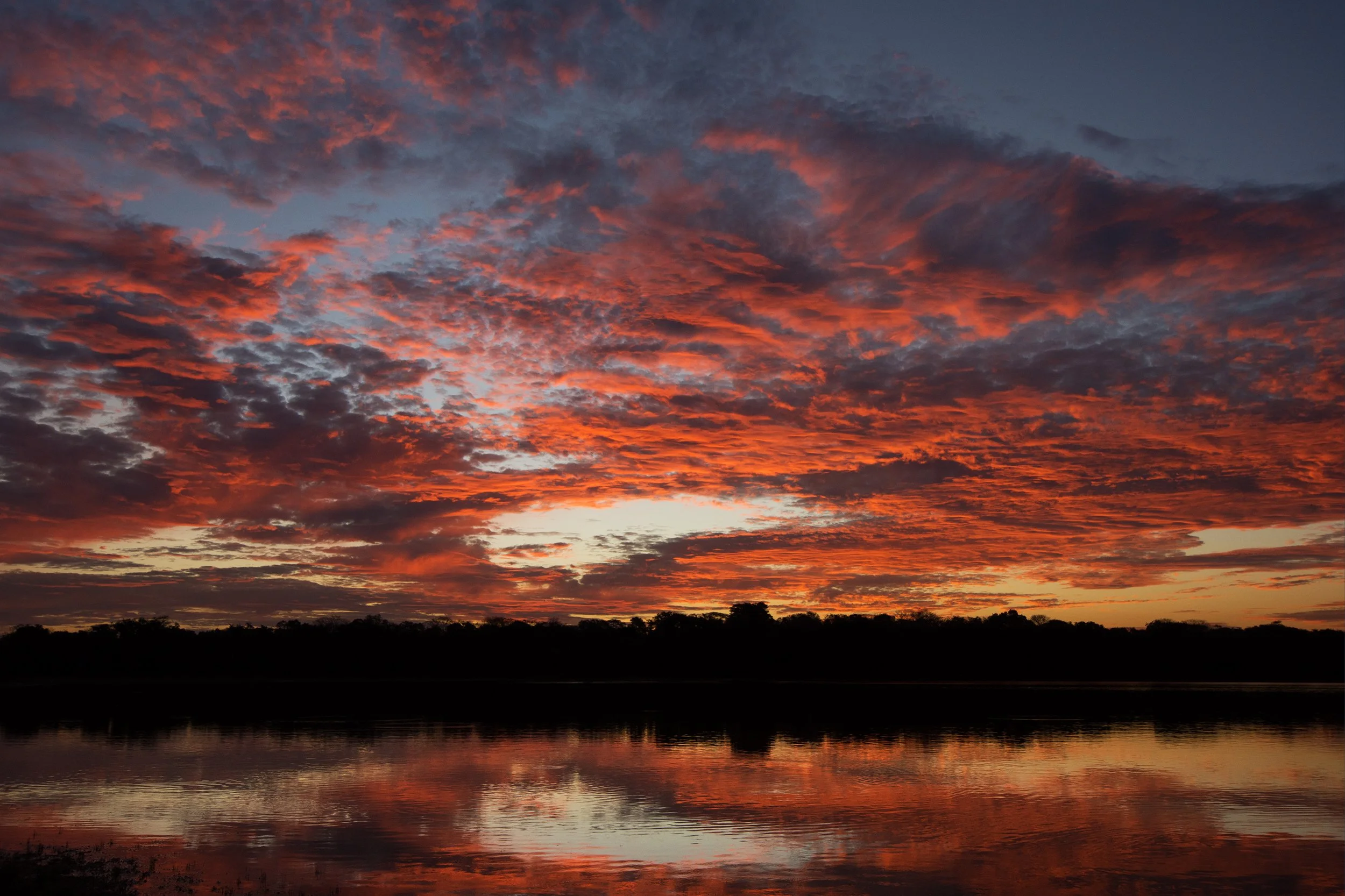
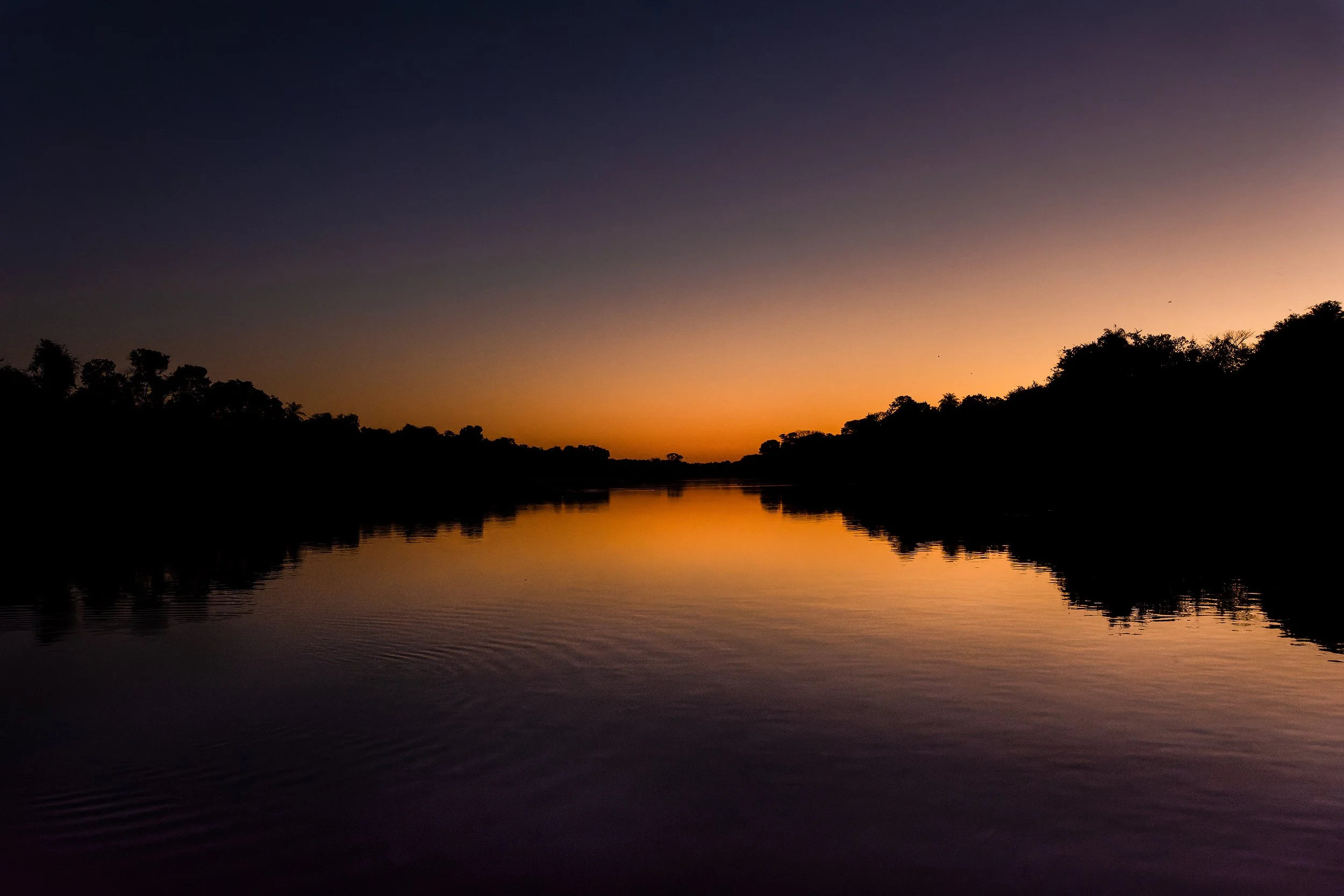
Smack dab in the middle of South America, straddling the borders of western Brazil and the eastern fringes of Bolivia and Paraguay, lies the largest contiguous wetland in the world. It is called the Pantanal.
Remote, sparsely inhabited, and sometimes largely inaccessible during the floods of the rainy season, this region largely is comprised of huge cattle ranches. In the dry season, beginning in April, the waters begin to recede, eventually leaving only ephemeral ponds and the larger rivers to run within their natural courses, and the Pantaneiro cowboys run their cattle to graze on newly emerged nutrient-rich grasses before they are obliged to return to higher ground once the rains return sometime in October or November.
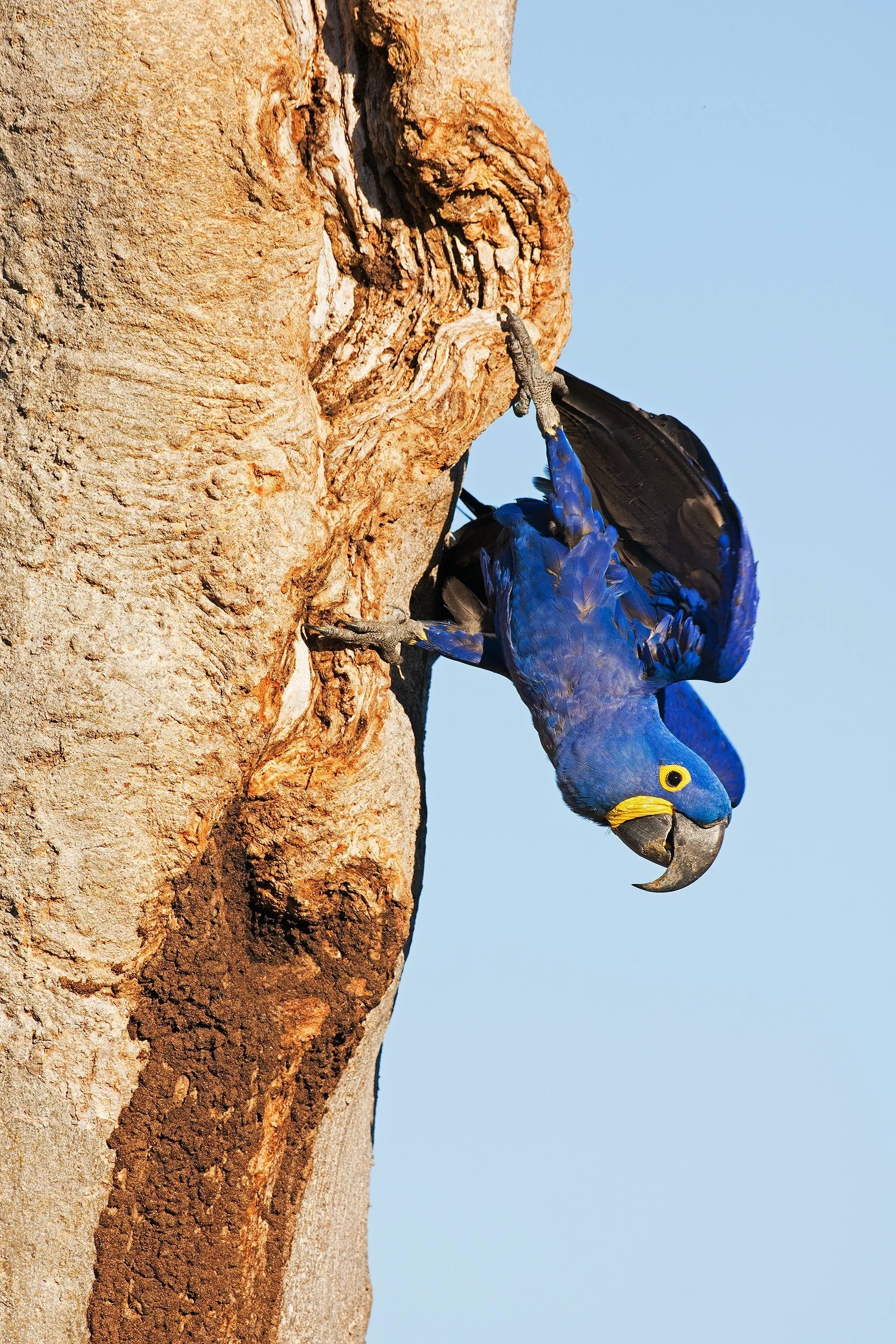
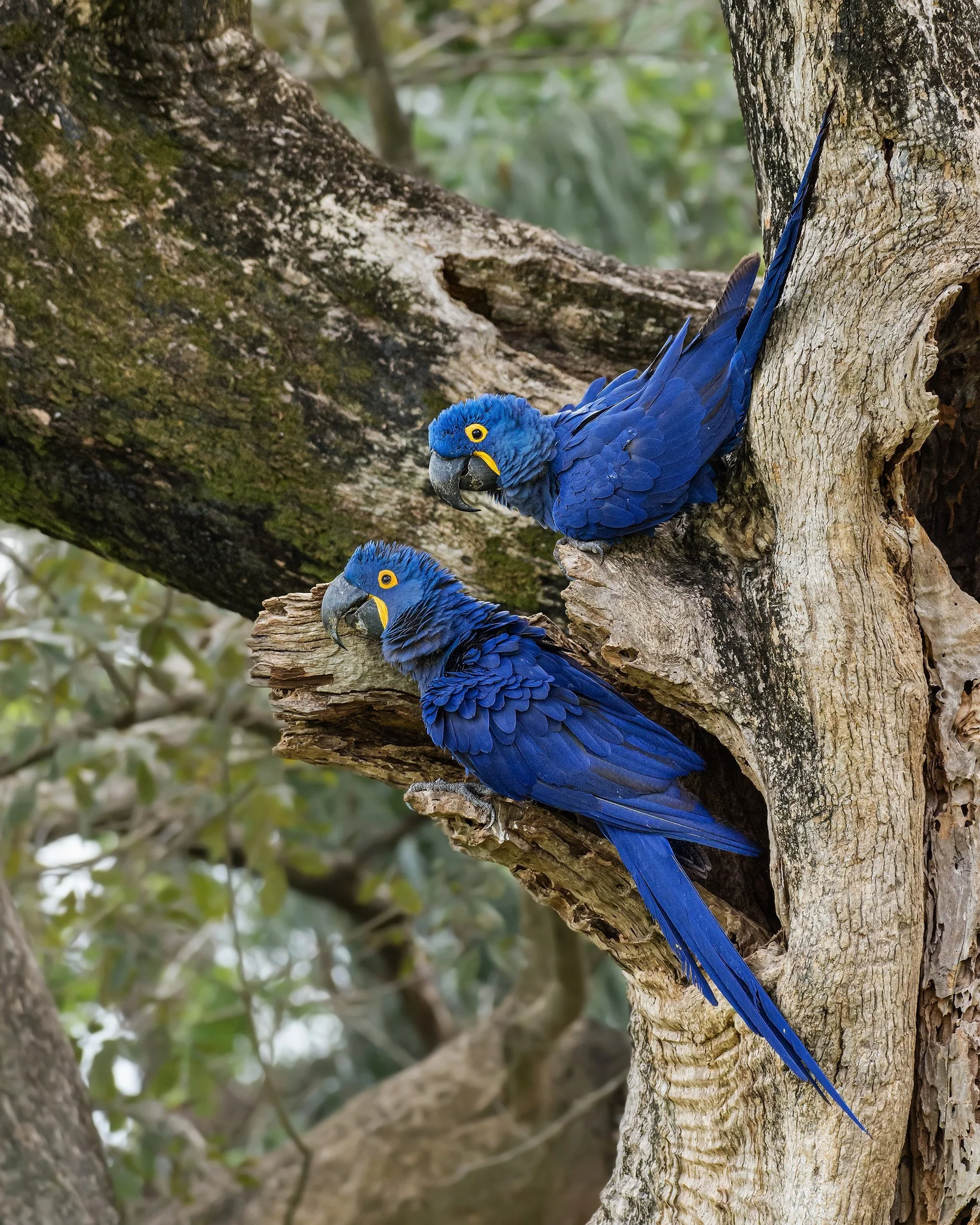
During the dry season, this area, and its traditional way of life, reminds me in some ways of my native Texas. Everything is bigger here: the biggest wetland (twenty times larger than The Everglades), the biggest ranches, the biggest herds of cattle. There’s even a Brazilian telenovela, Pantanal, which could give Dallas a run for the money. And it doesn’t stop there. The native animals also are renowned for their size: the giant anteater, the giant armadillo, the giant river otter, the toco toucan (the largest toucan in the world), and the hyacinth macaw (the largest parrot in the world).
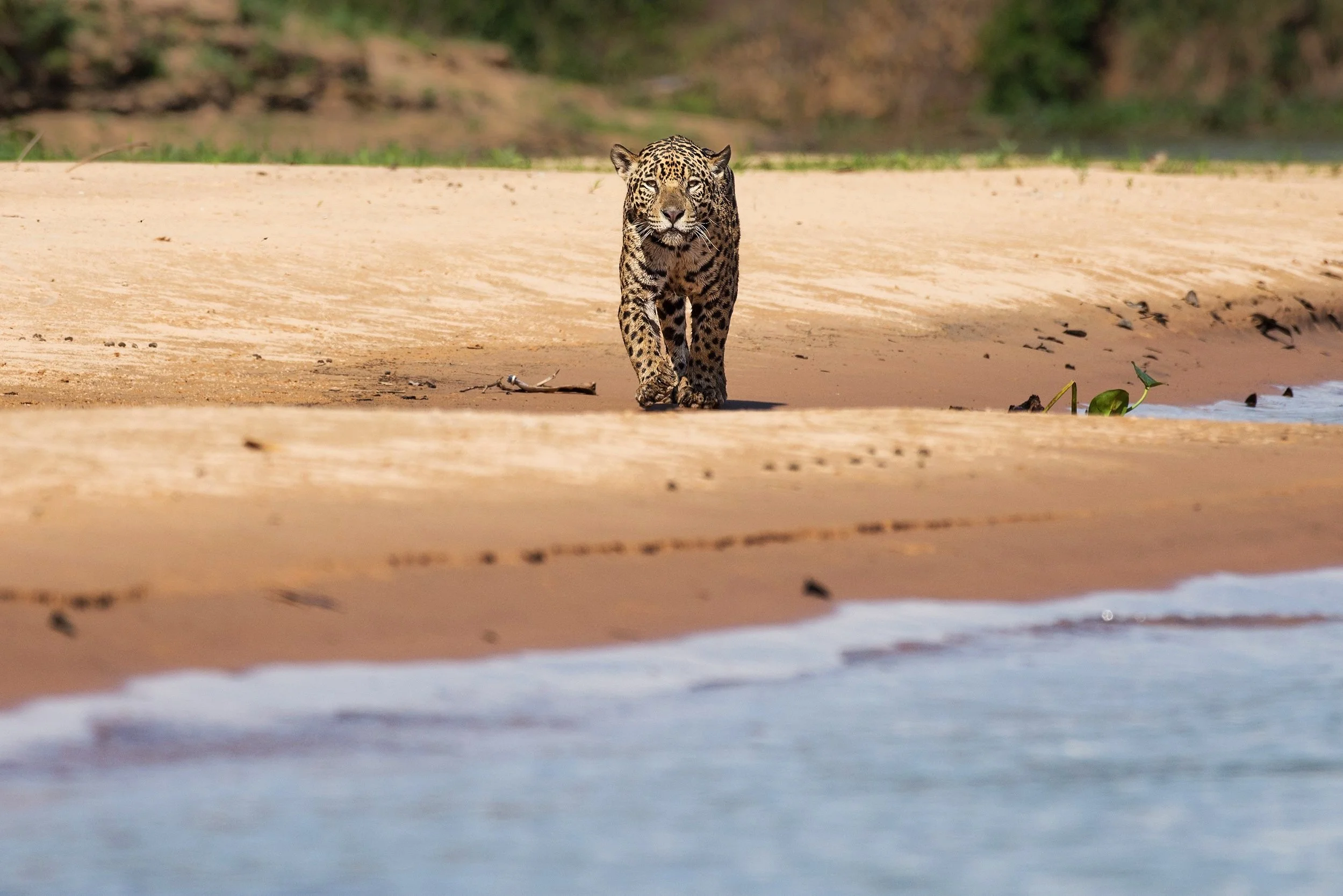
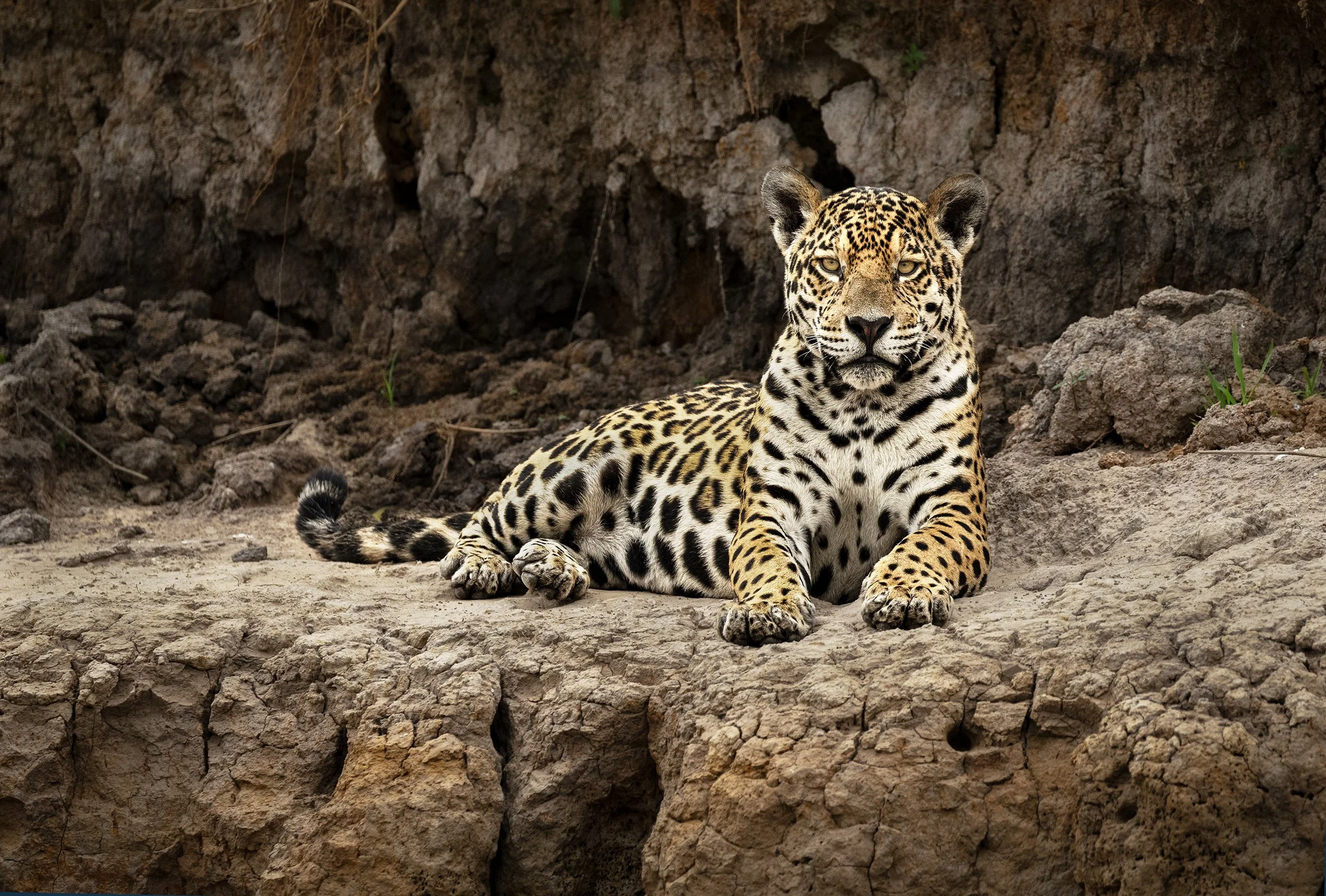
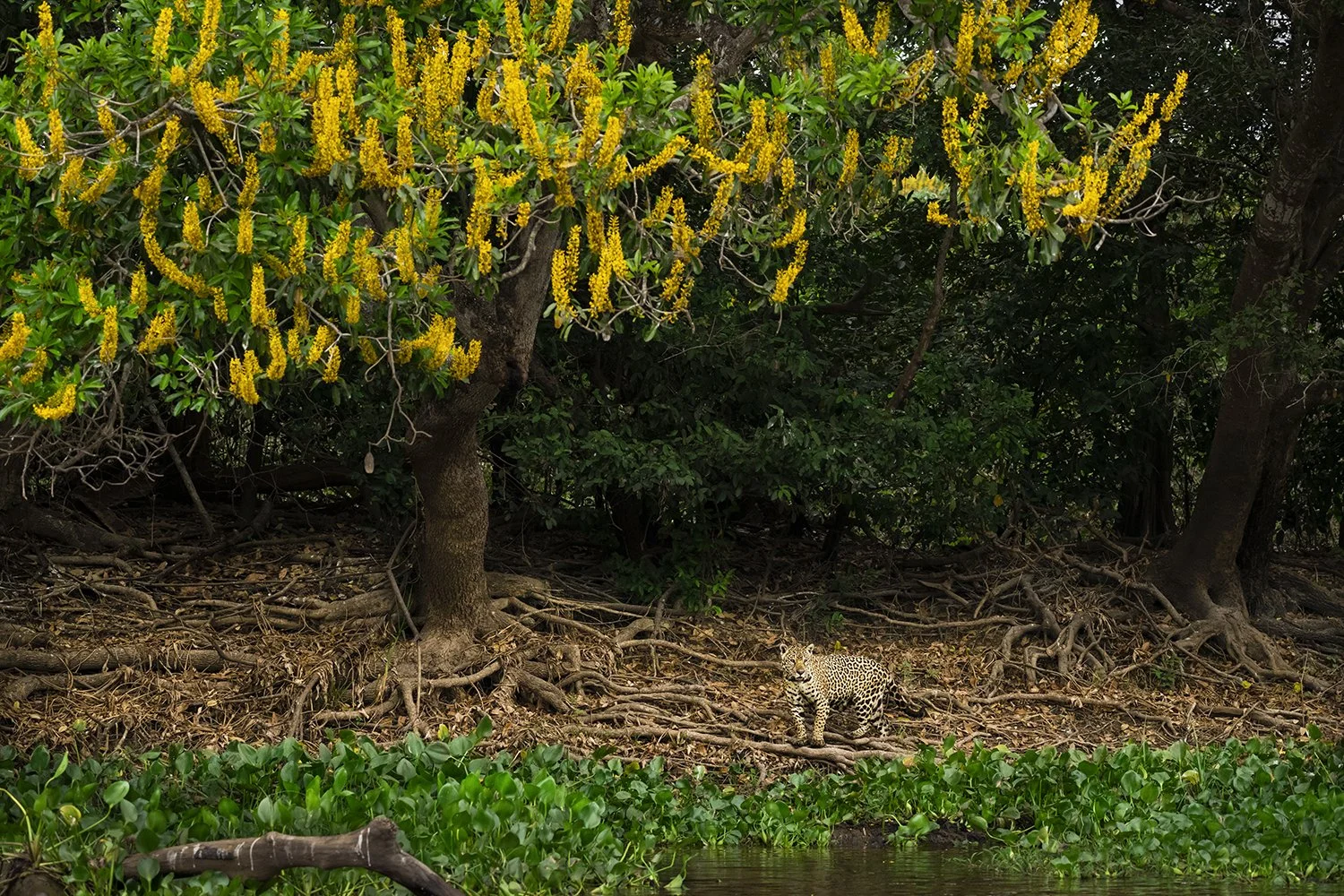
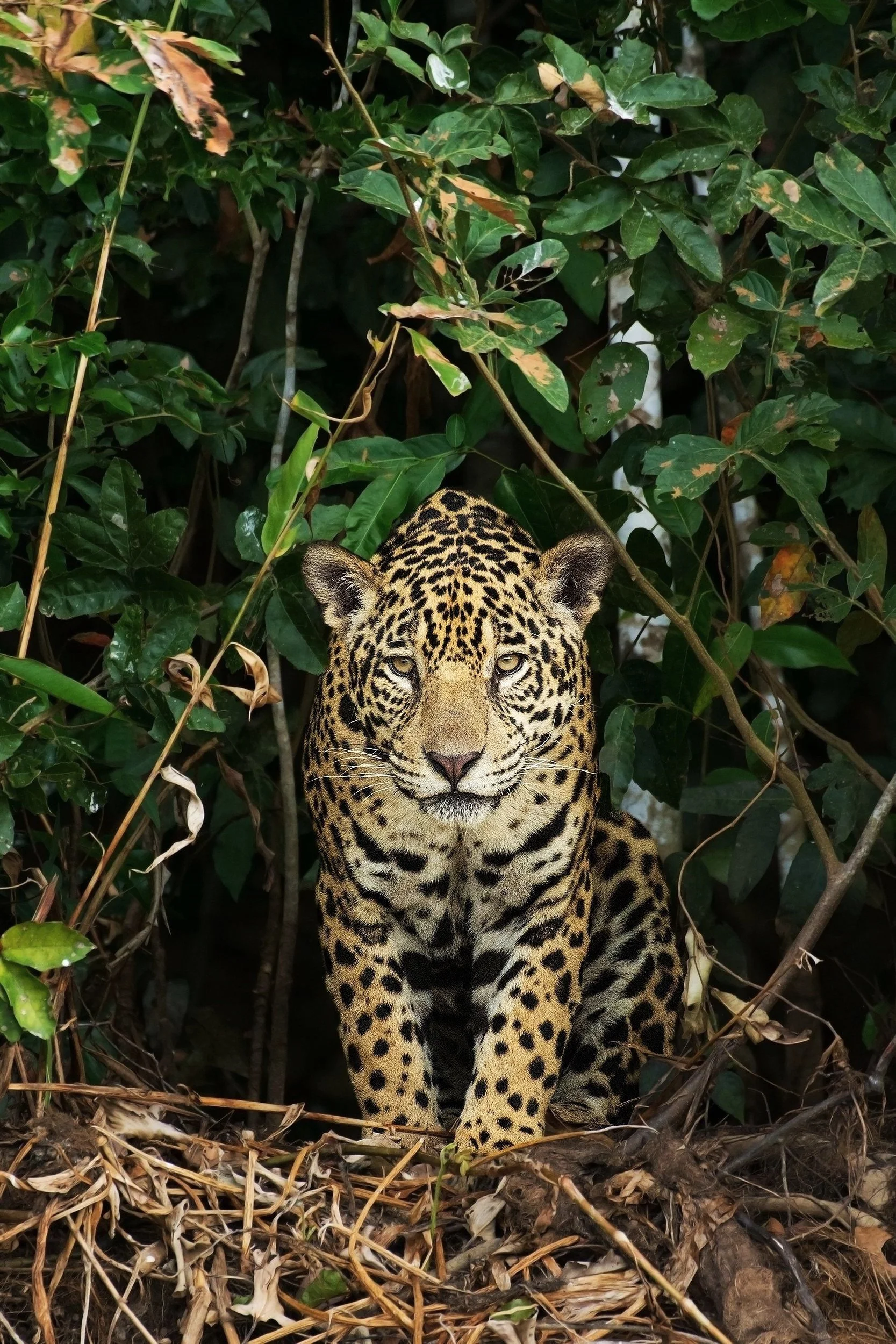
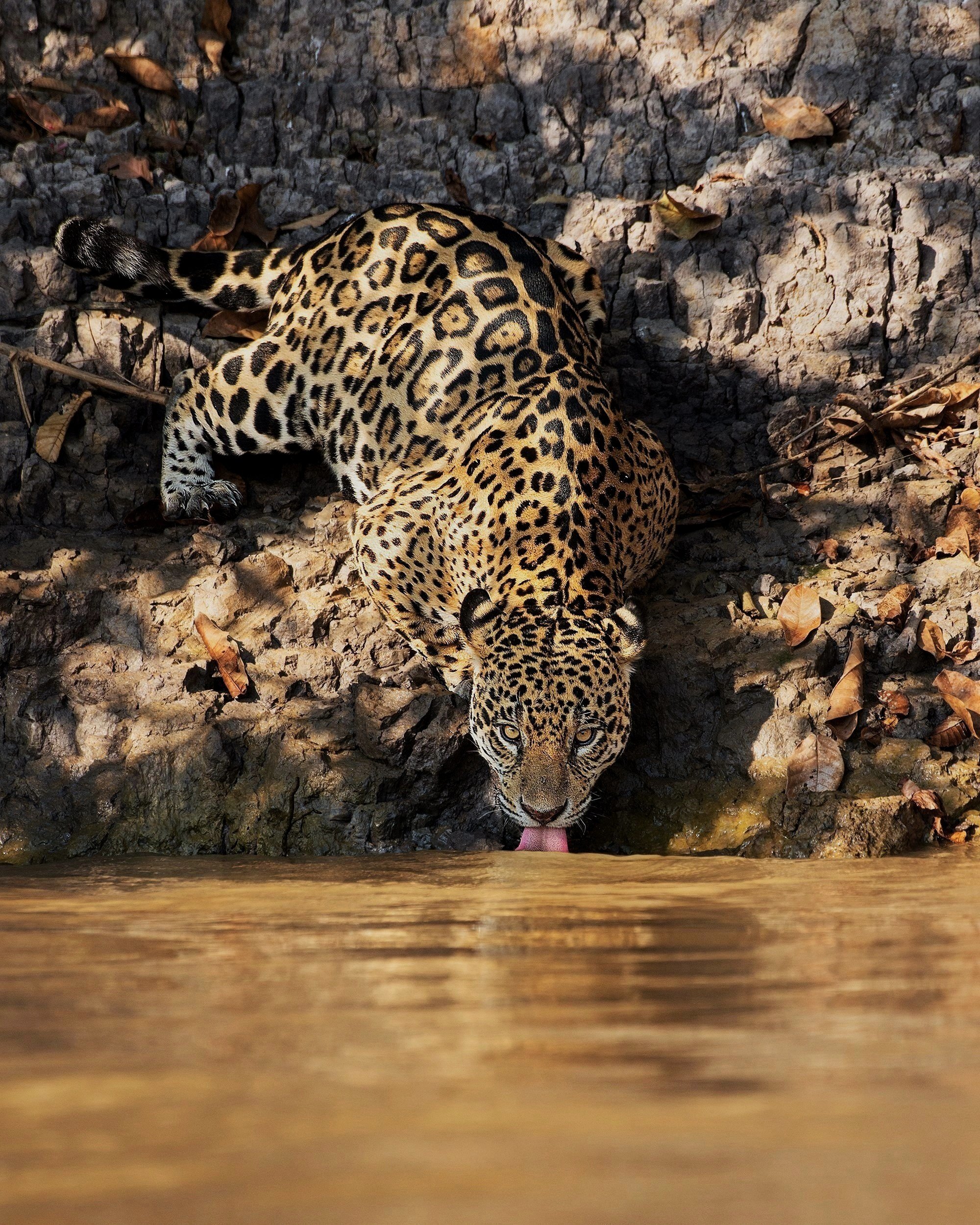
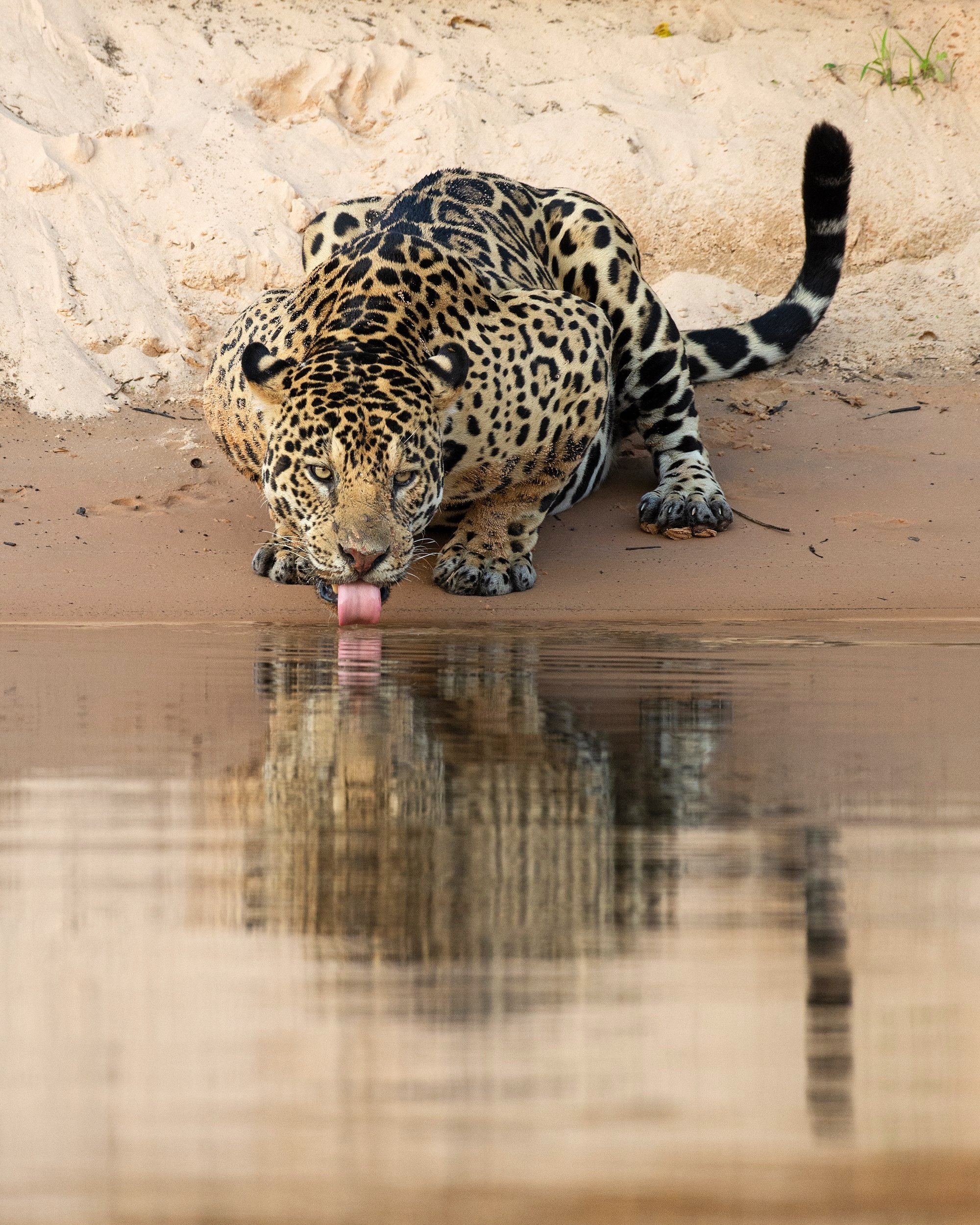
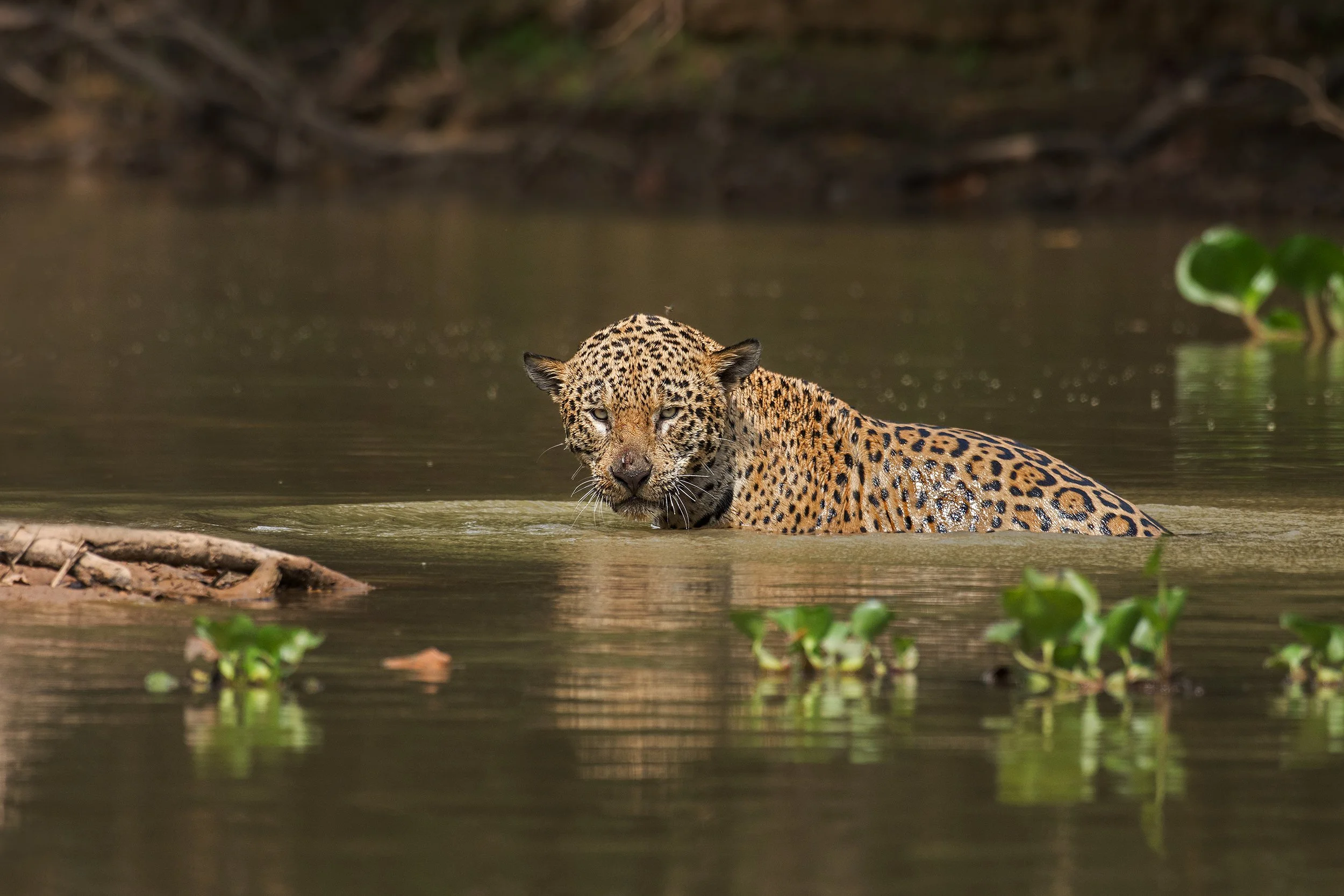
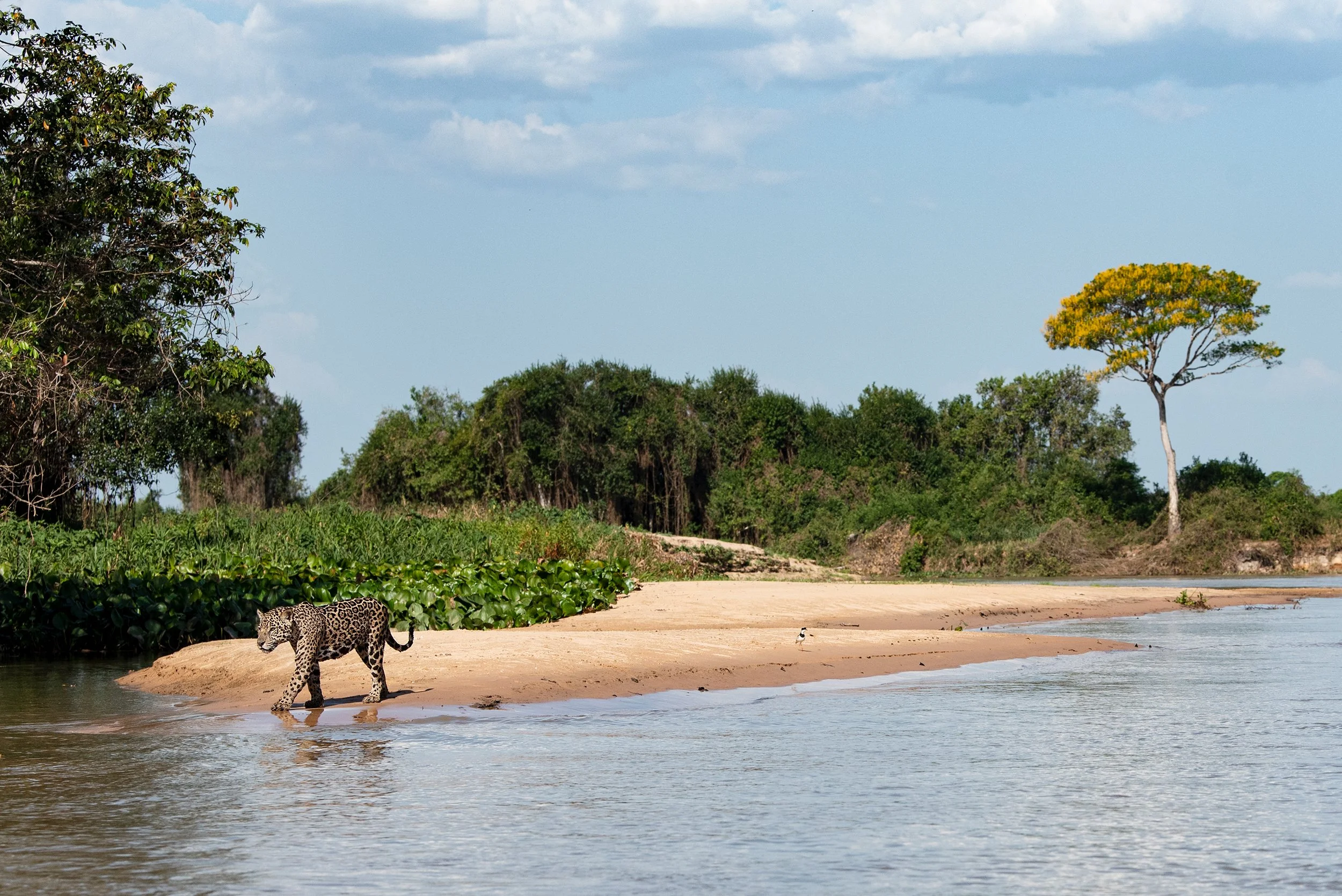
But, in terms of its wildlife, nothing reigns over the Pantanal more than the legendary jaguar – the largest cat species in the Americas (and third largest in the world, after the tiger and lion). Maligned by ranchers and hunted for sport for centuries, the jaguar has long been renowned for its elusiveness.
However, with the establishment of parks and reserves, and the generational subdivision of ranches leading Pantaneiros to diversify and seek alternative forms of revenue, new ecotourism initiatives have helped make the Pantanal the best place in the world to see a jaguar in the wild. And as the jaguar has prospered, so, too, have the other key species in this unique land of water courses, gallery forests, and grasslands.
Nevertheless, challenges remain. With climate change, the dry season is lasting longer, and fires (both manmade and from natural causes, such as lightning strikes) increasingly are burning huge swaths of the Pantanal. In 2020, wildfires scorched more than 85% of Encontro das Águas State Park, killing an estimated 17 million animals. In 2023, one-fifth of the Park burned again. Only time will tell what the future holds for the enigmatic jaguar and the other special creatures that call this environment home.
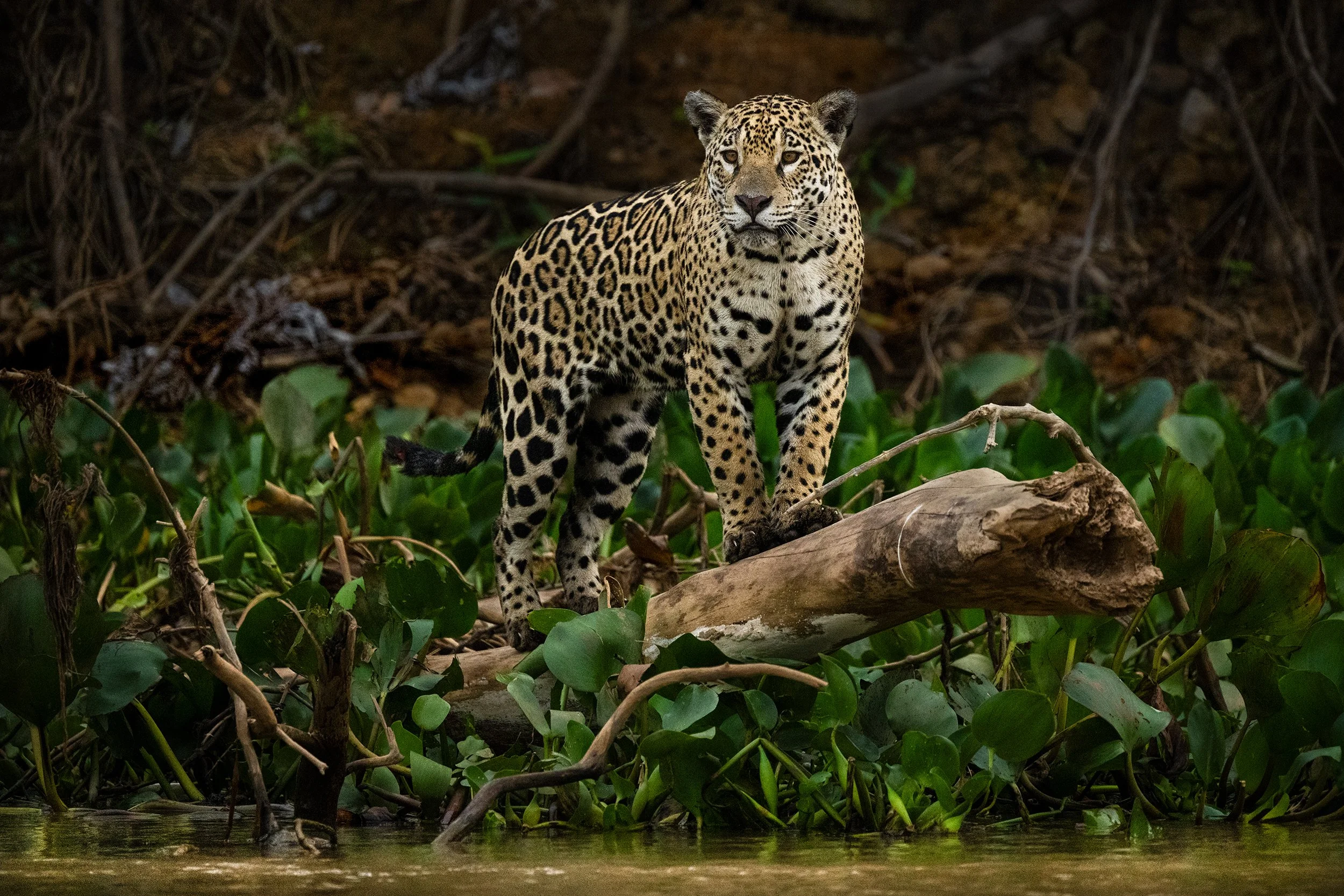
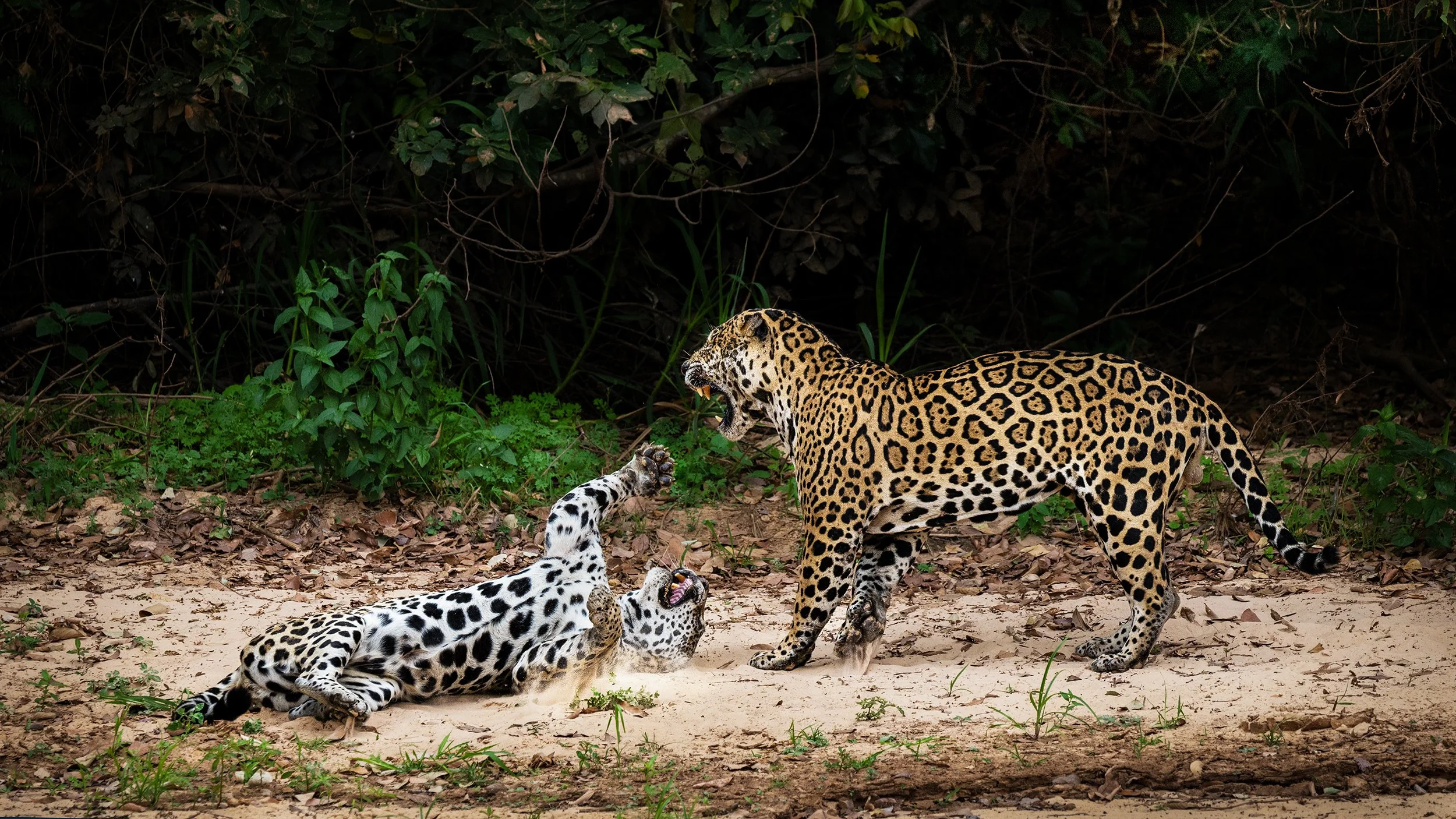
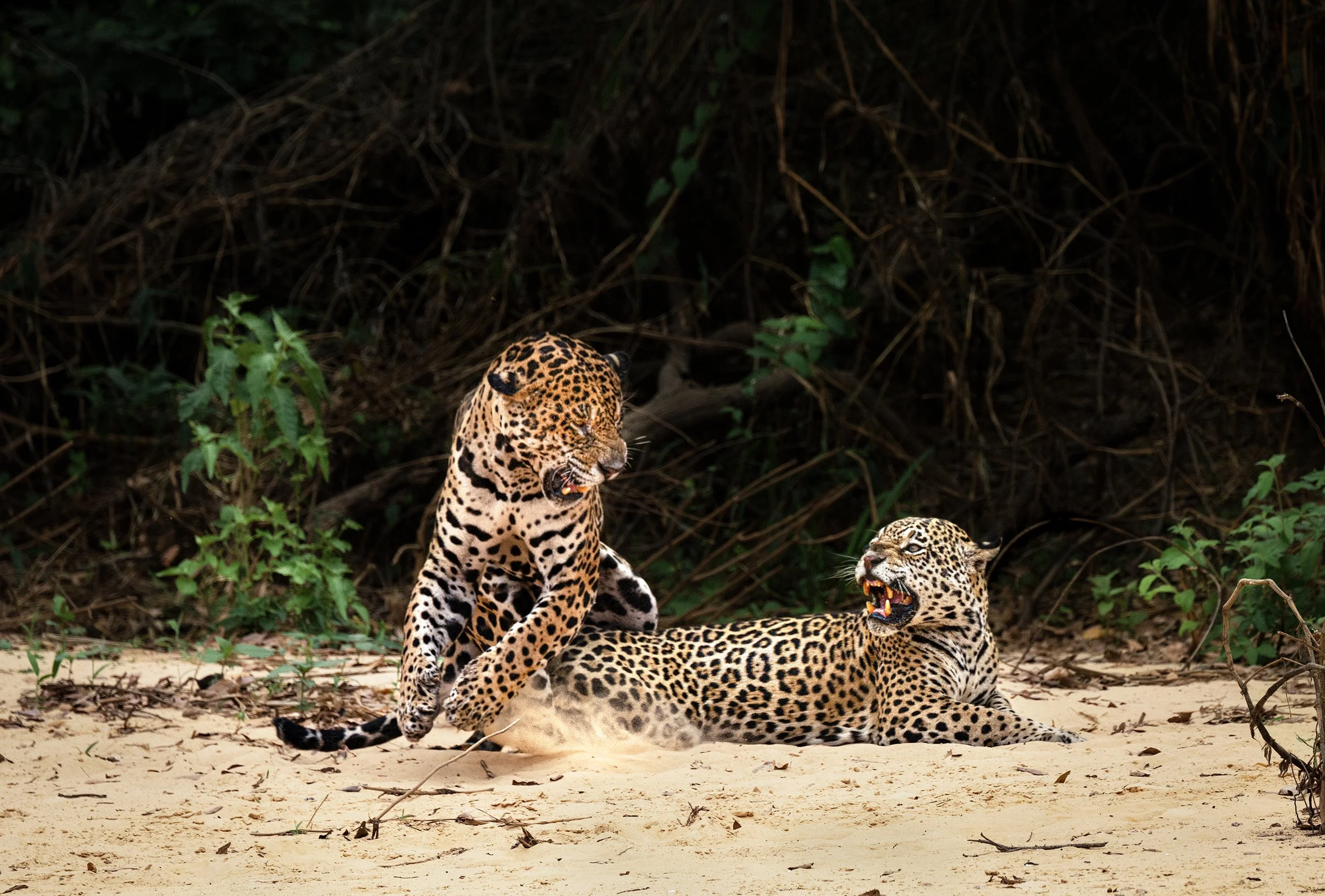
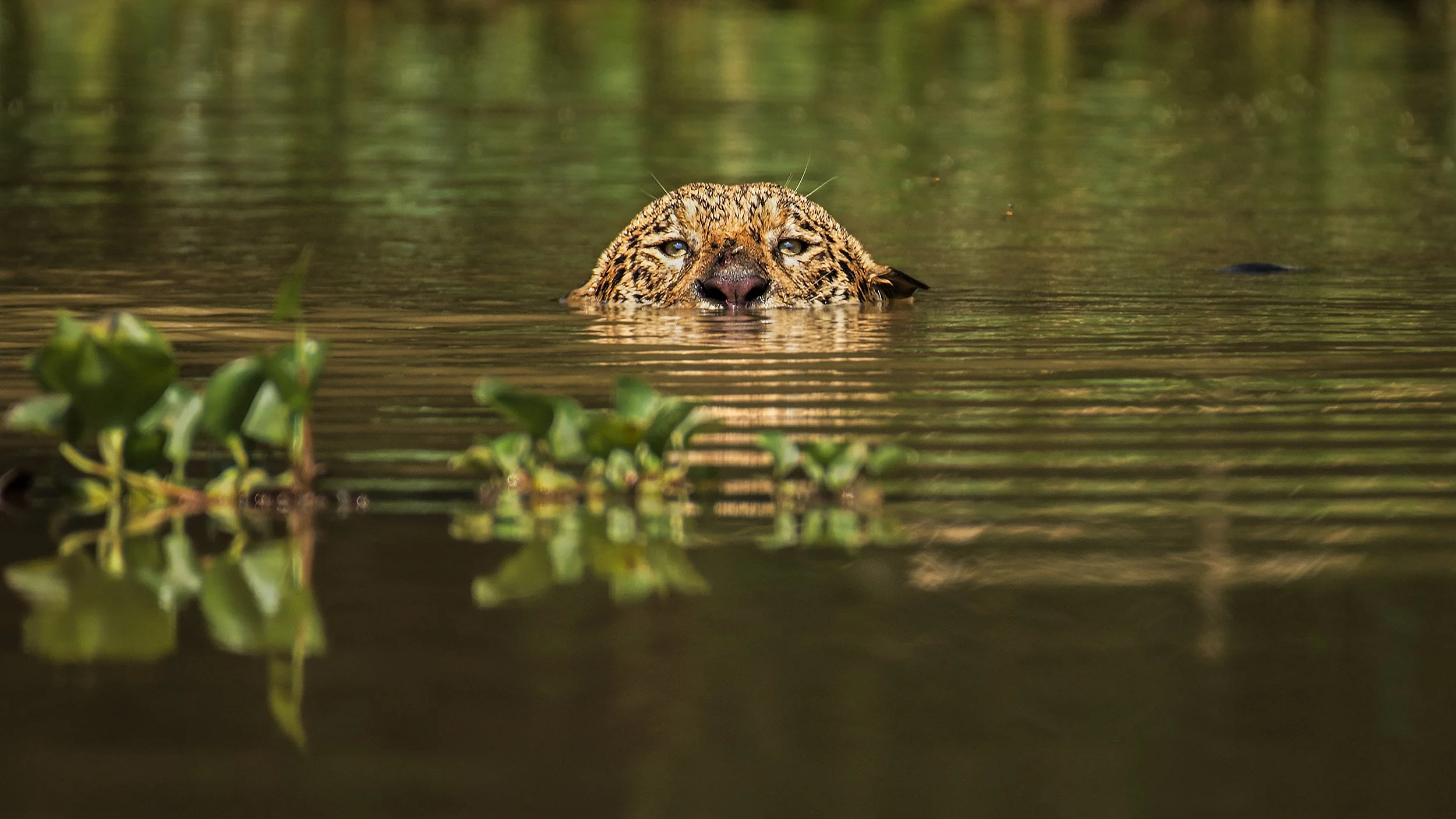
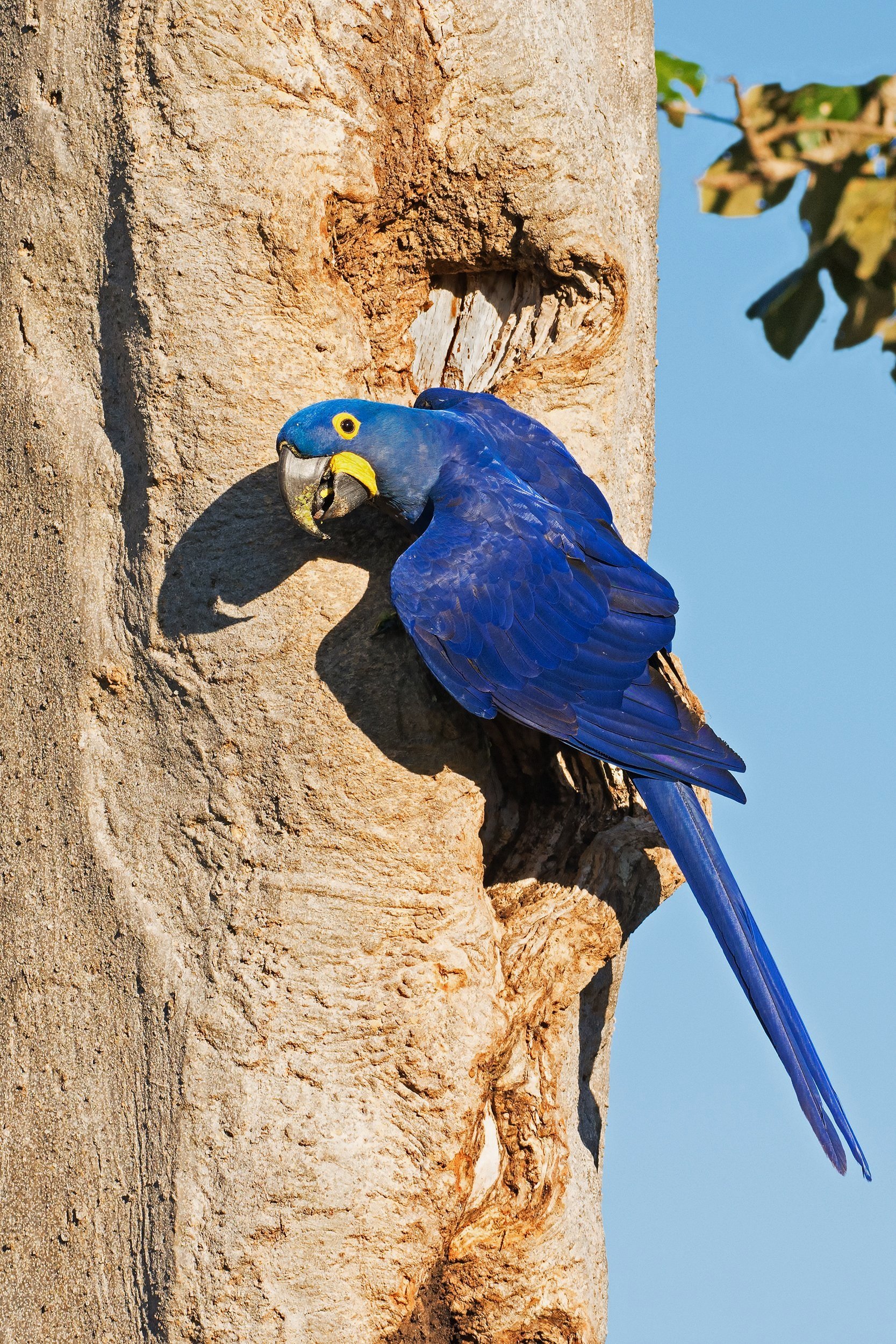
Hyancinth Macaw
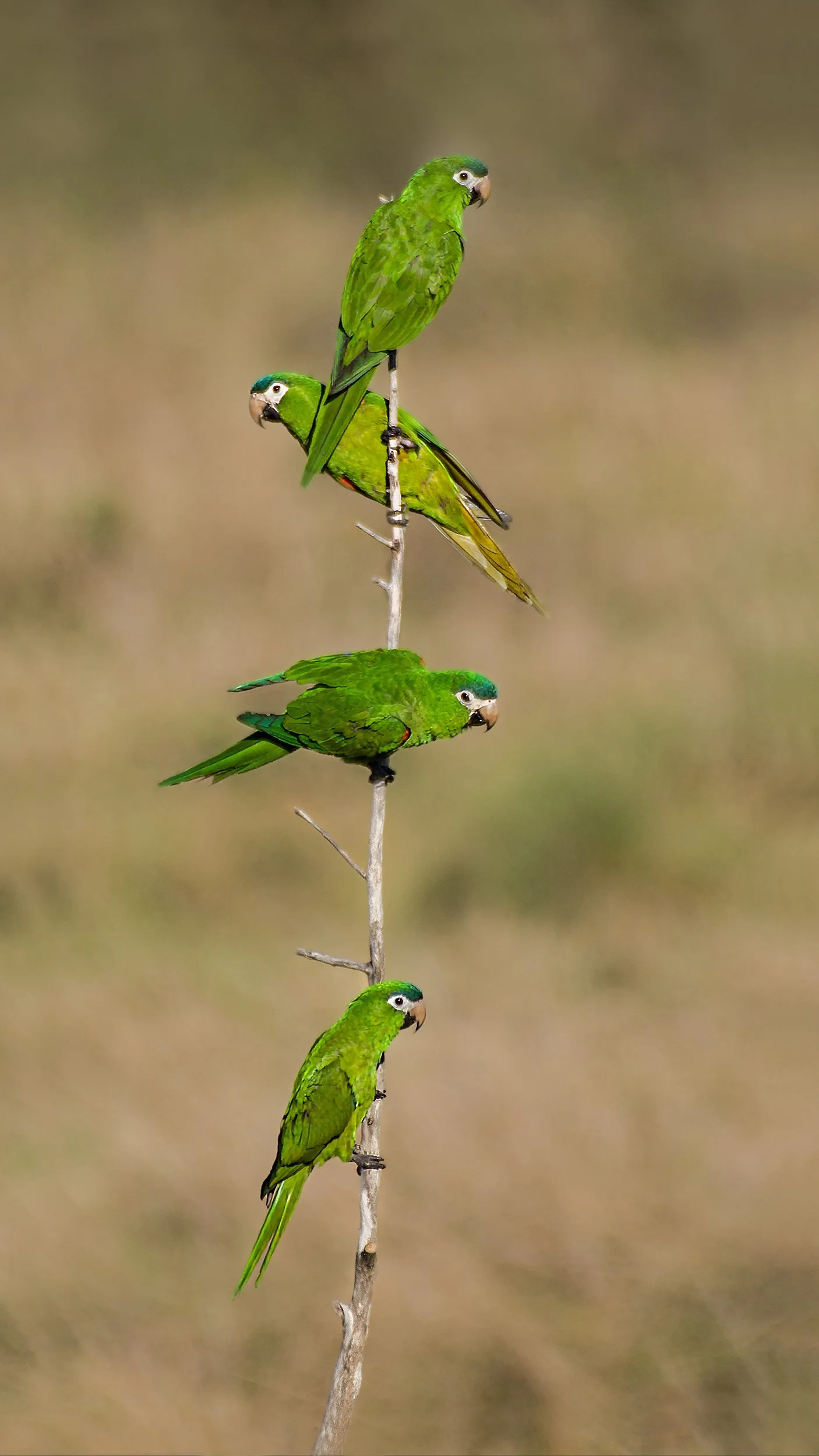
Red-shouldered Macaw
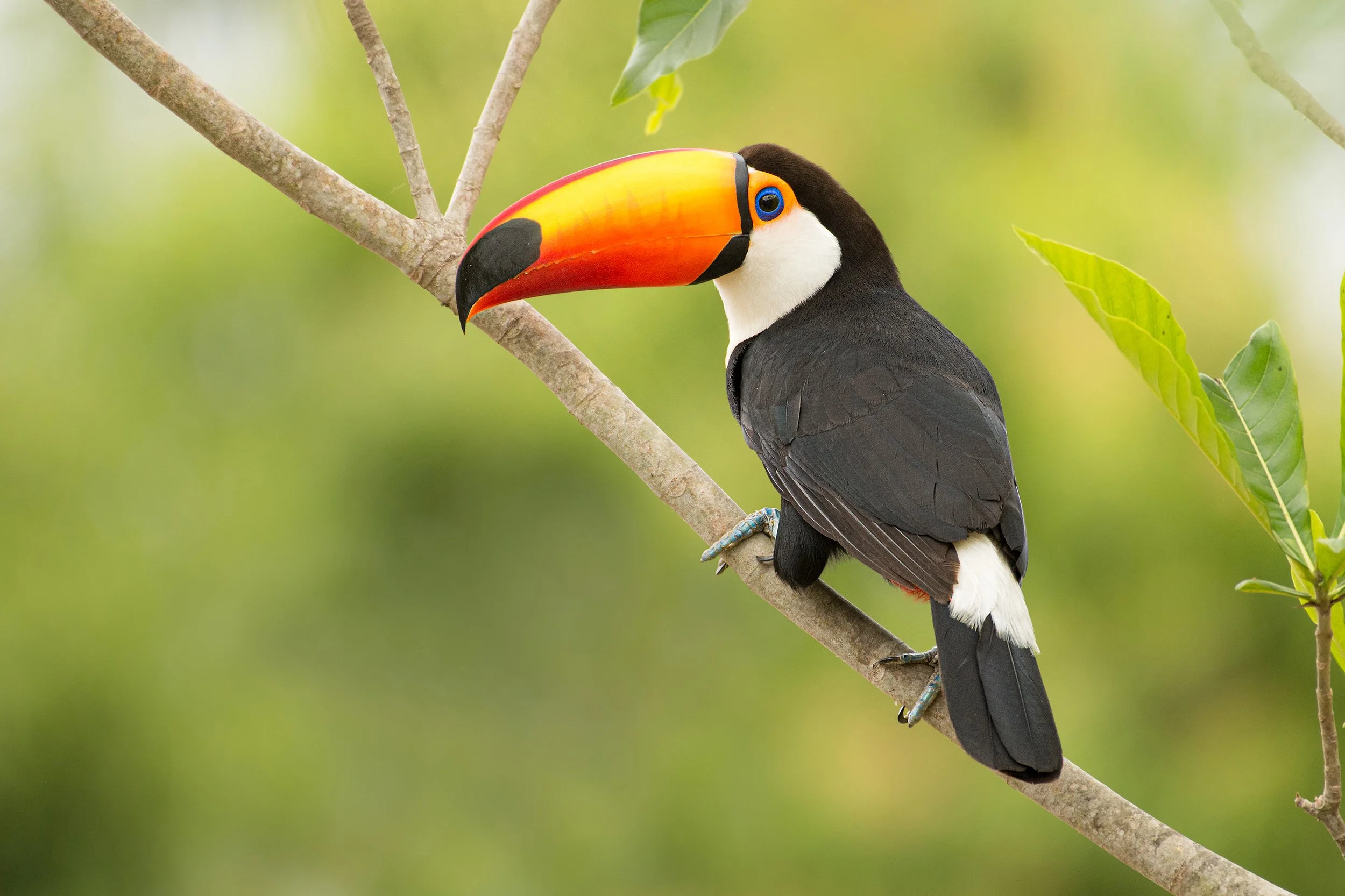
Toco Toucan
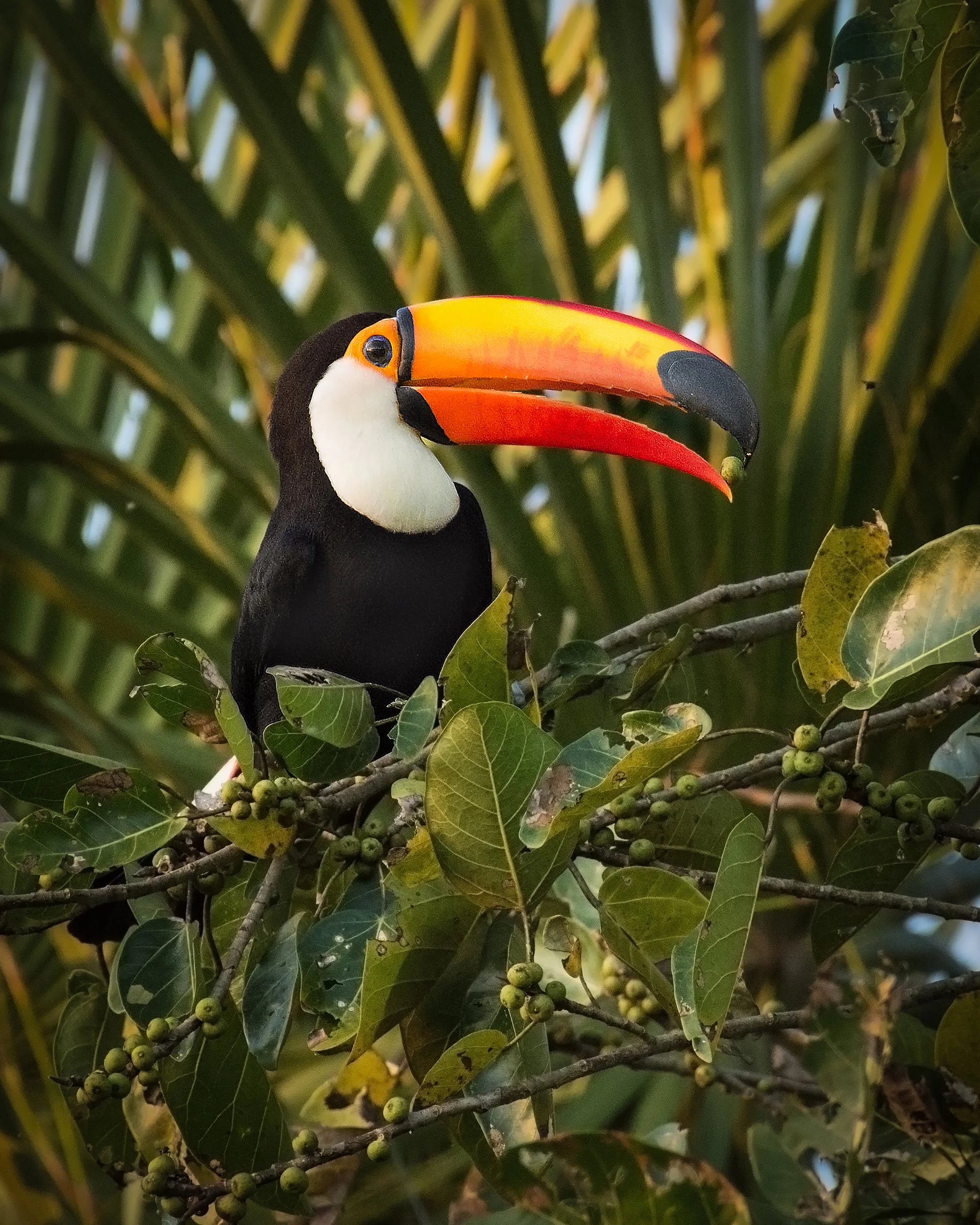
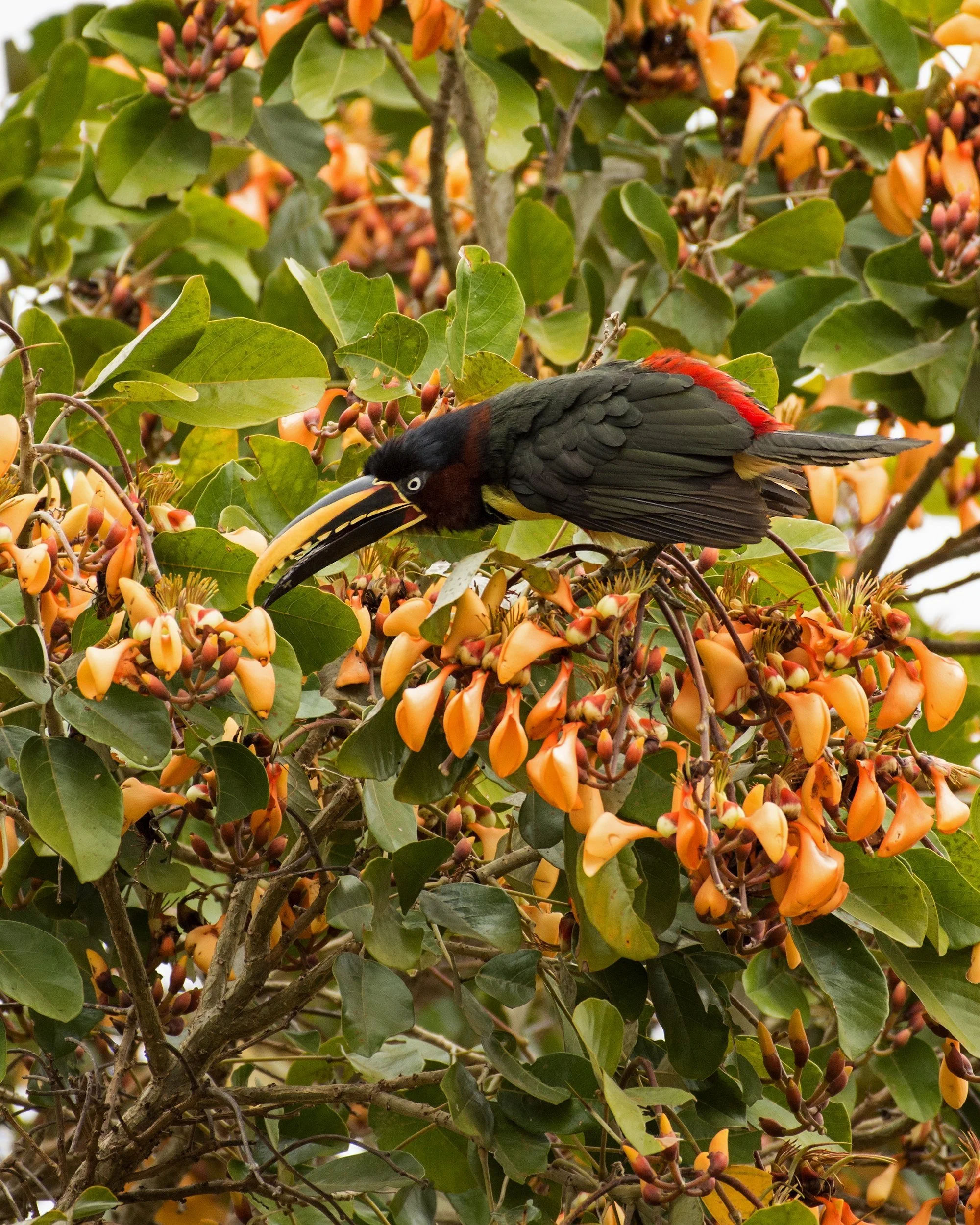
Chestnut-eared Aracari
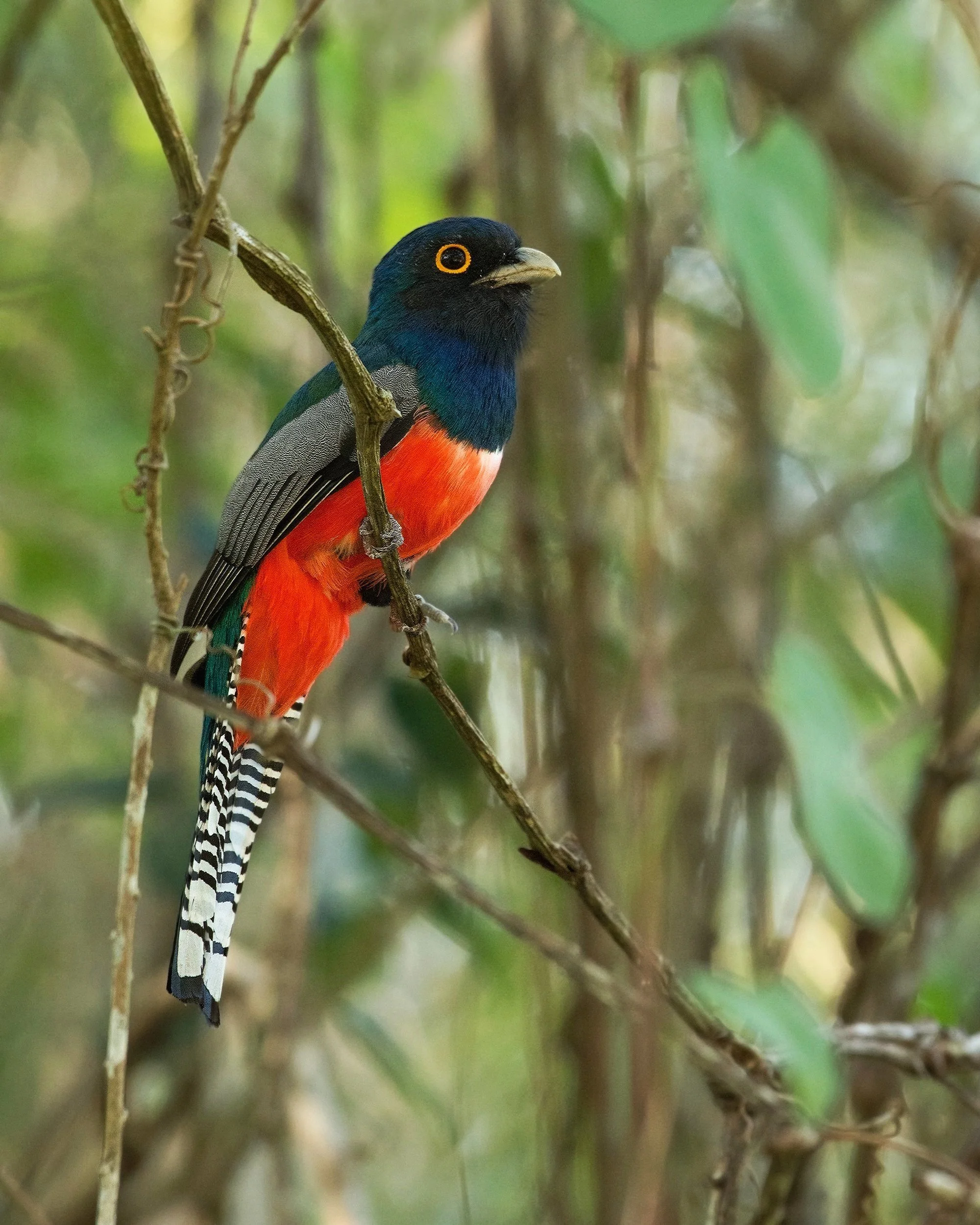
Blue-crowned Trogon
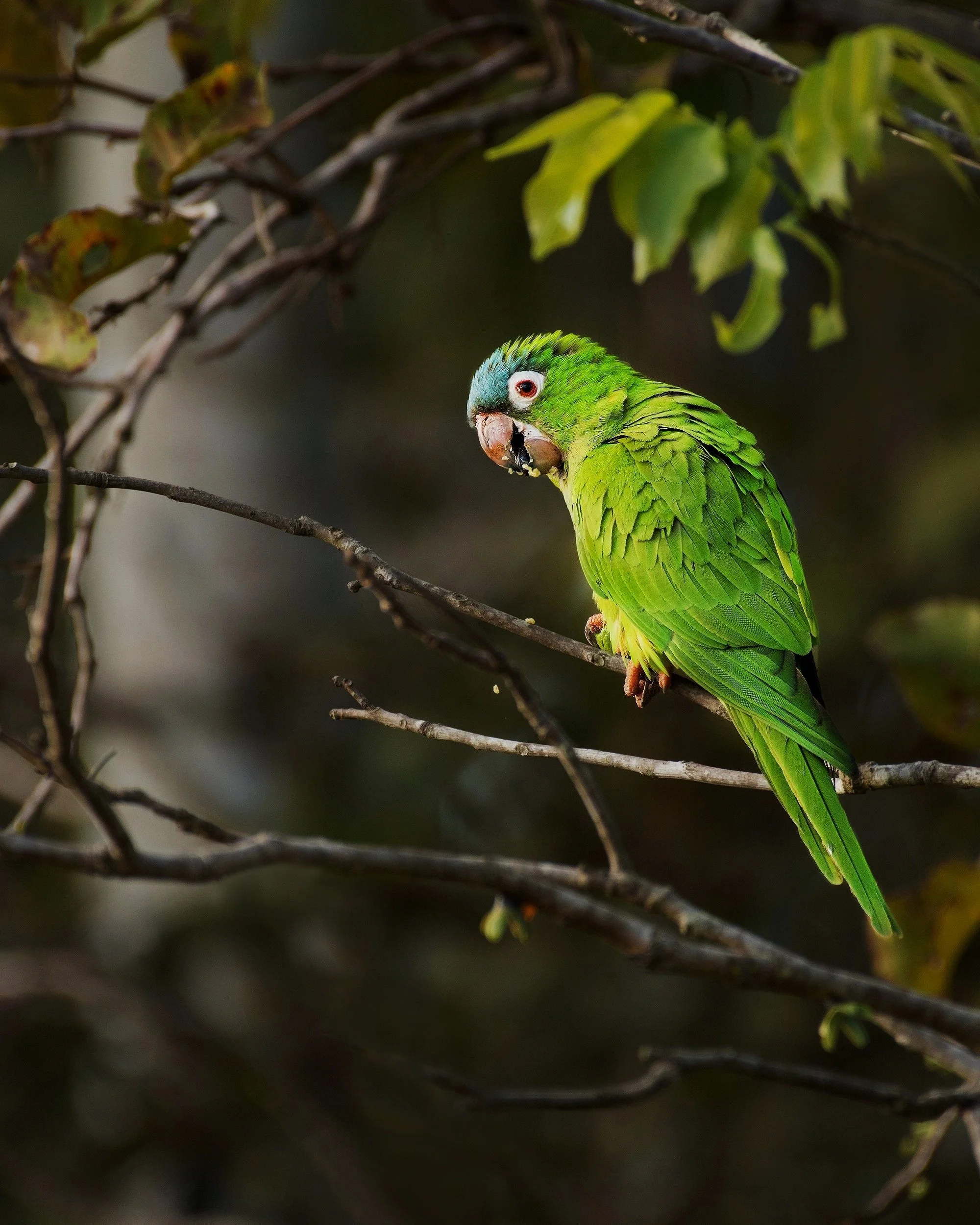
Blue-crowned Parakeet
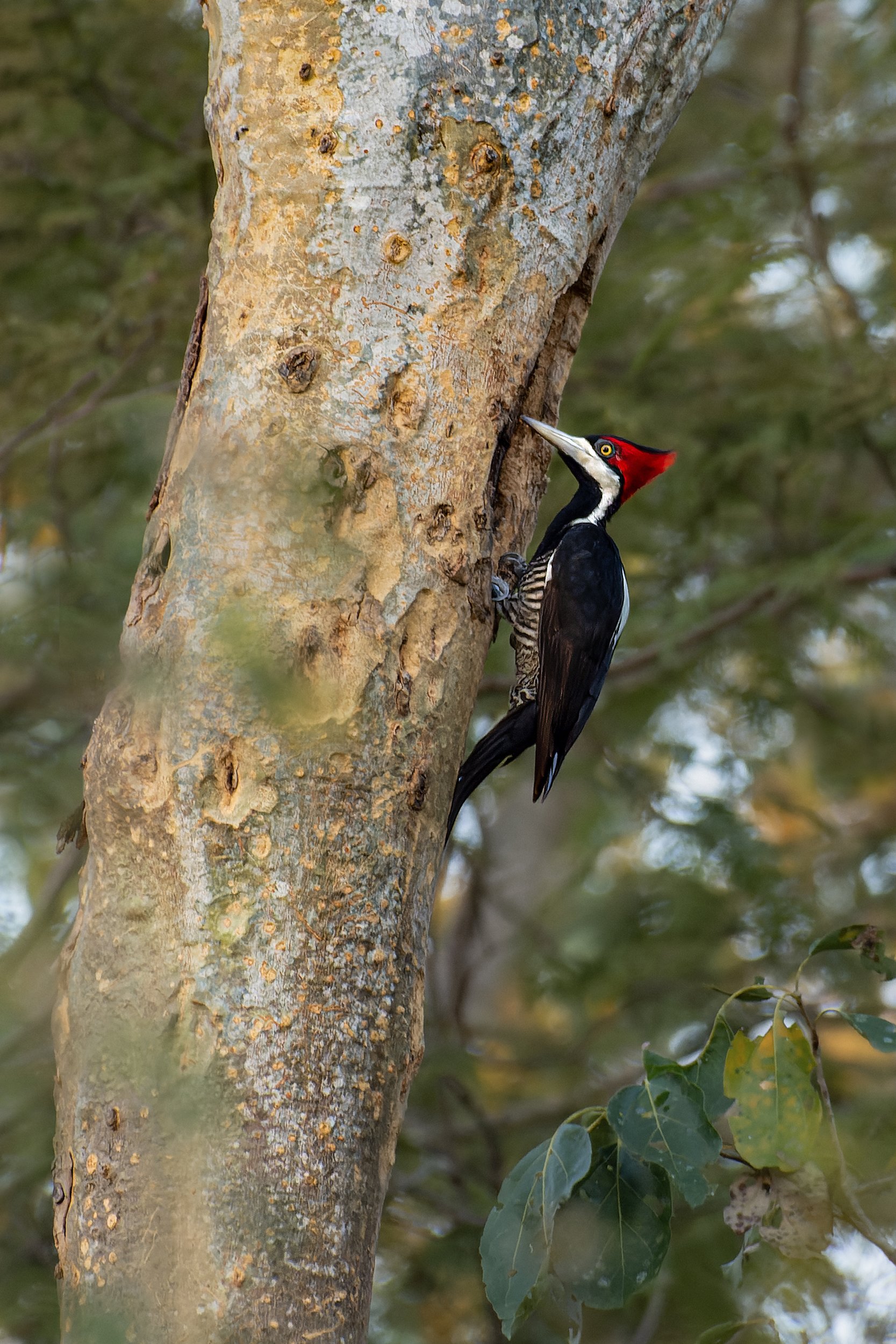
Crimson-crested Woodpecker
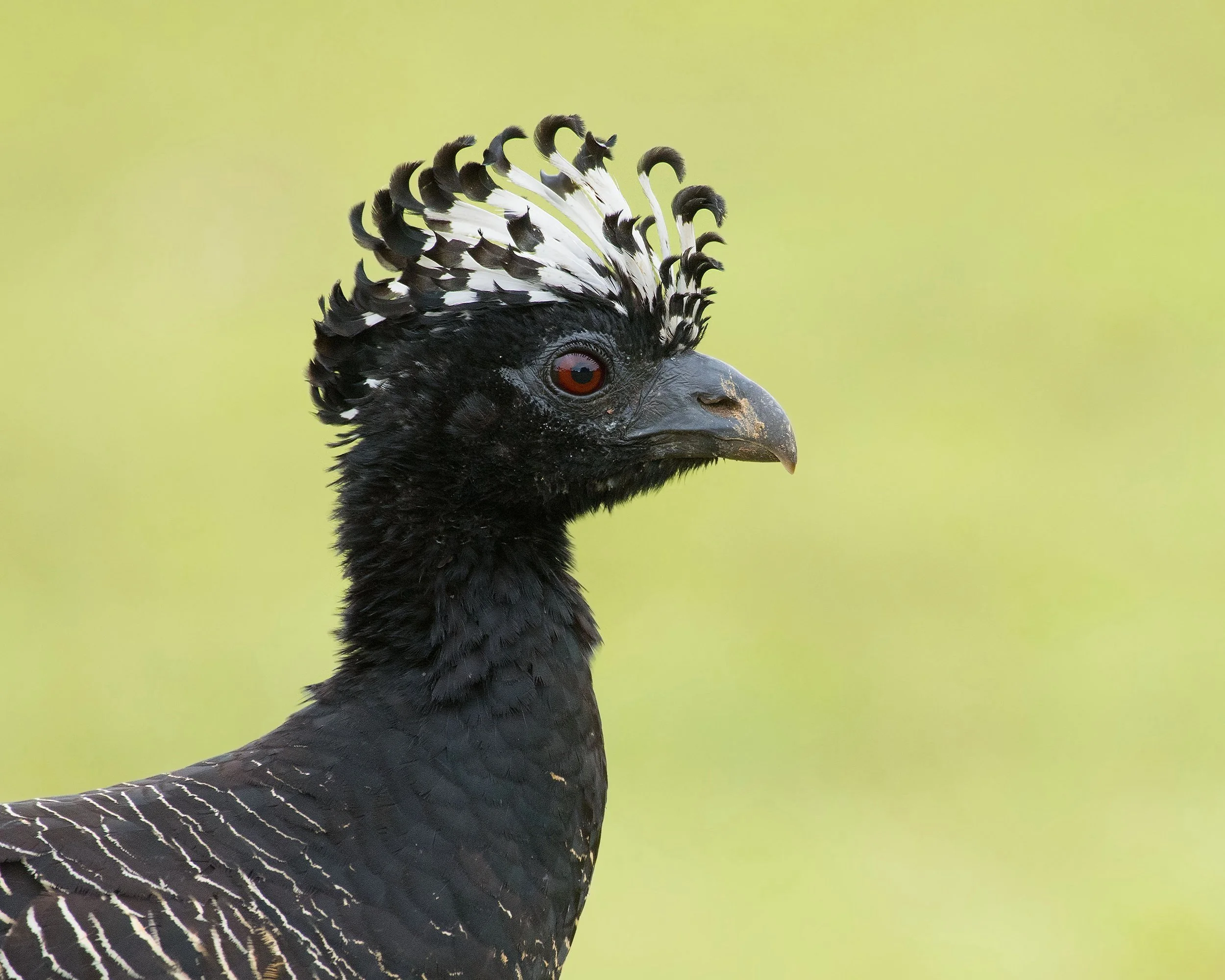
Bare-faced Curassow (female)
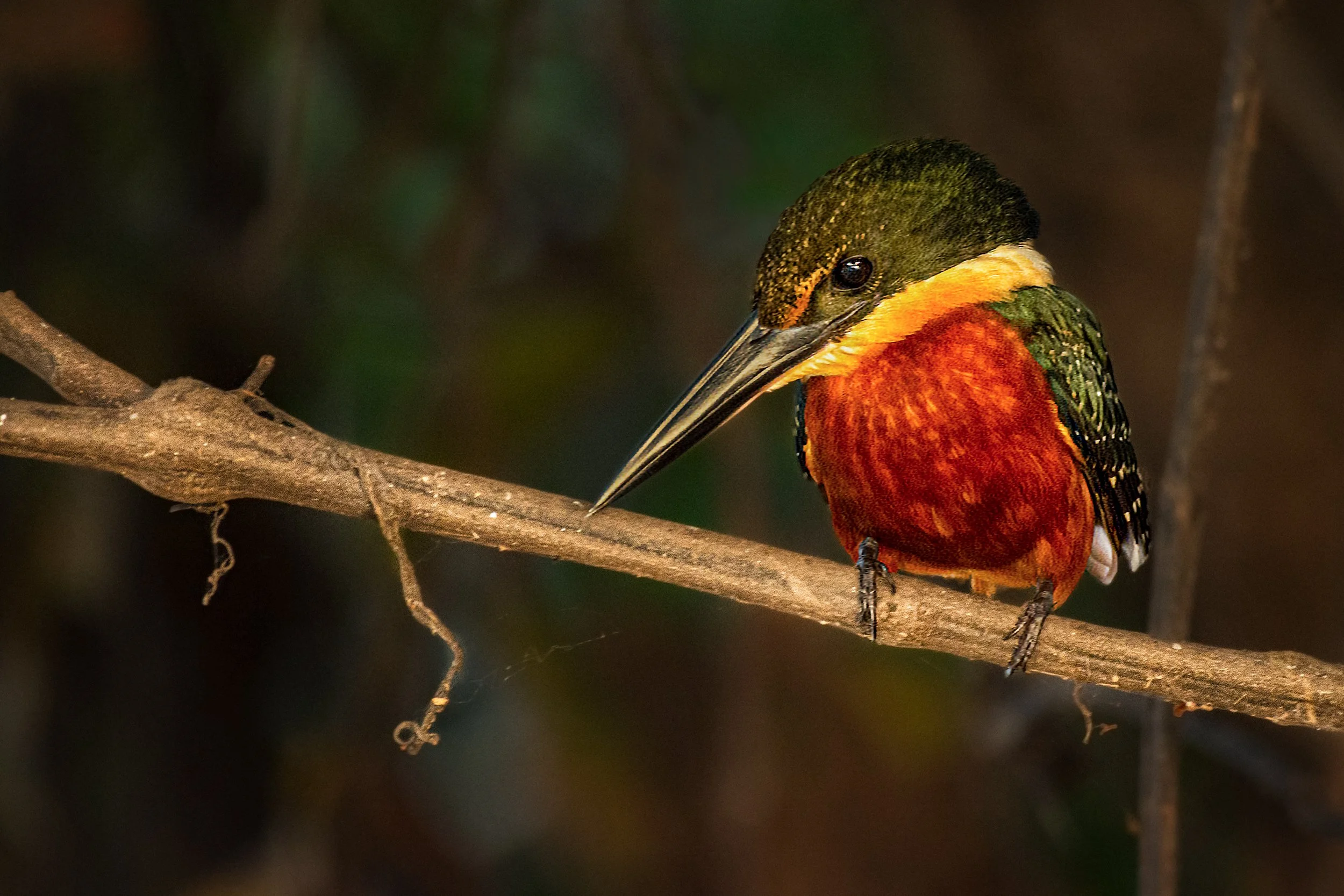
Green-and-rufous Kingfisher (male)
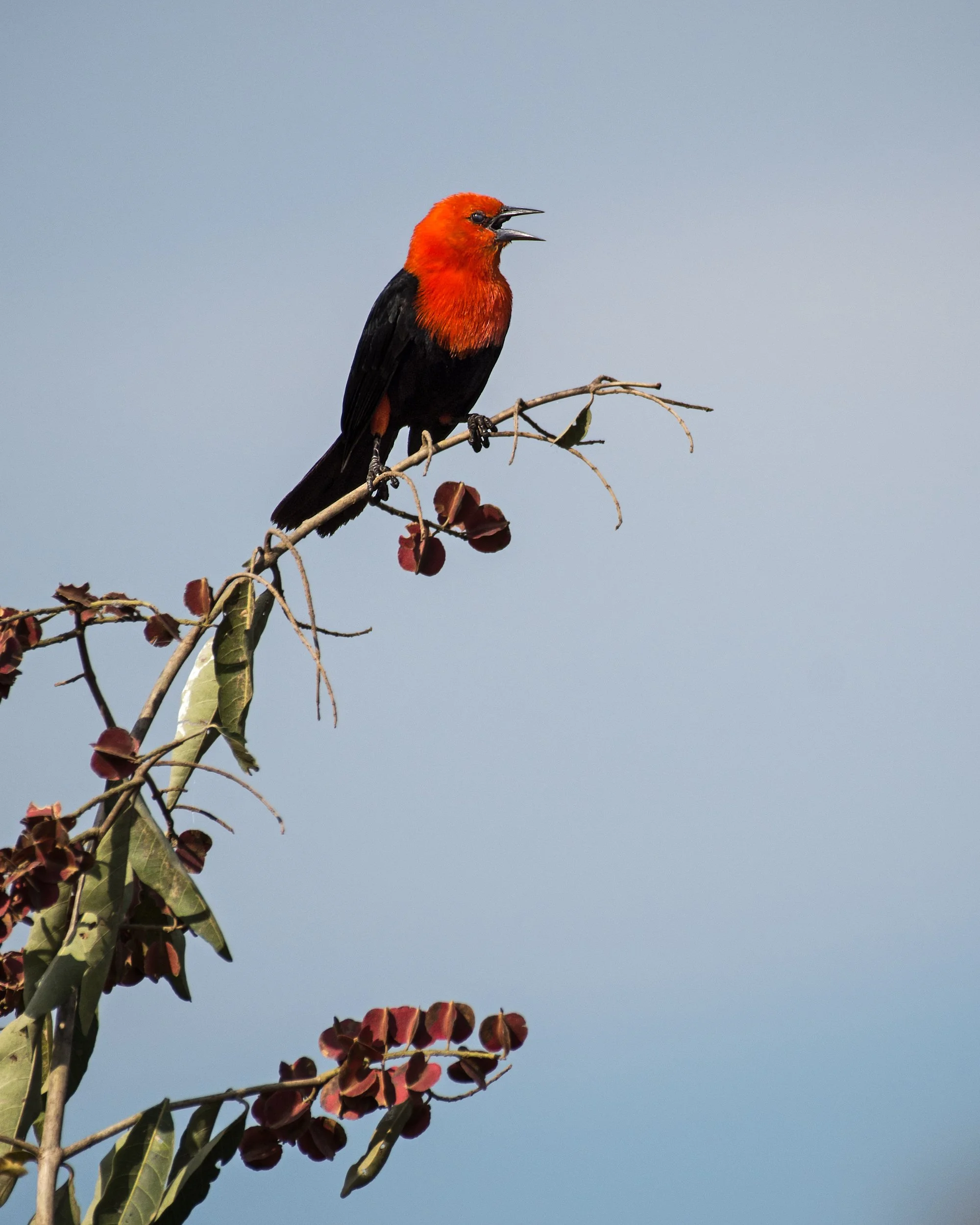
Scarlet-headed Blackbird
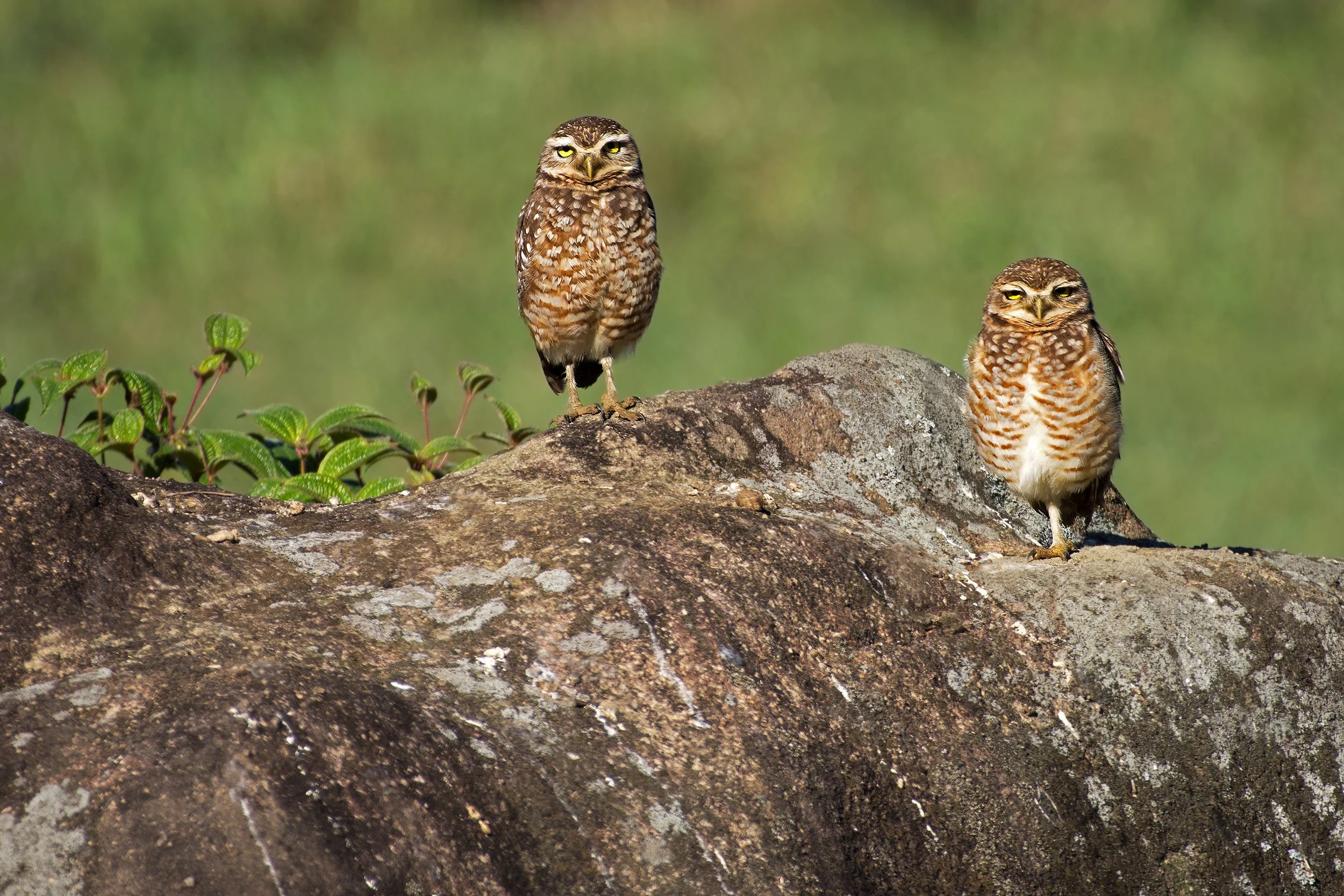
Burrowing Owl
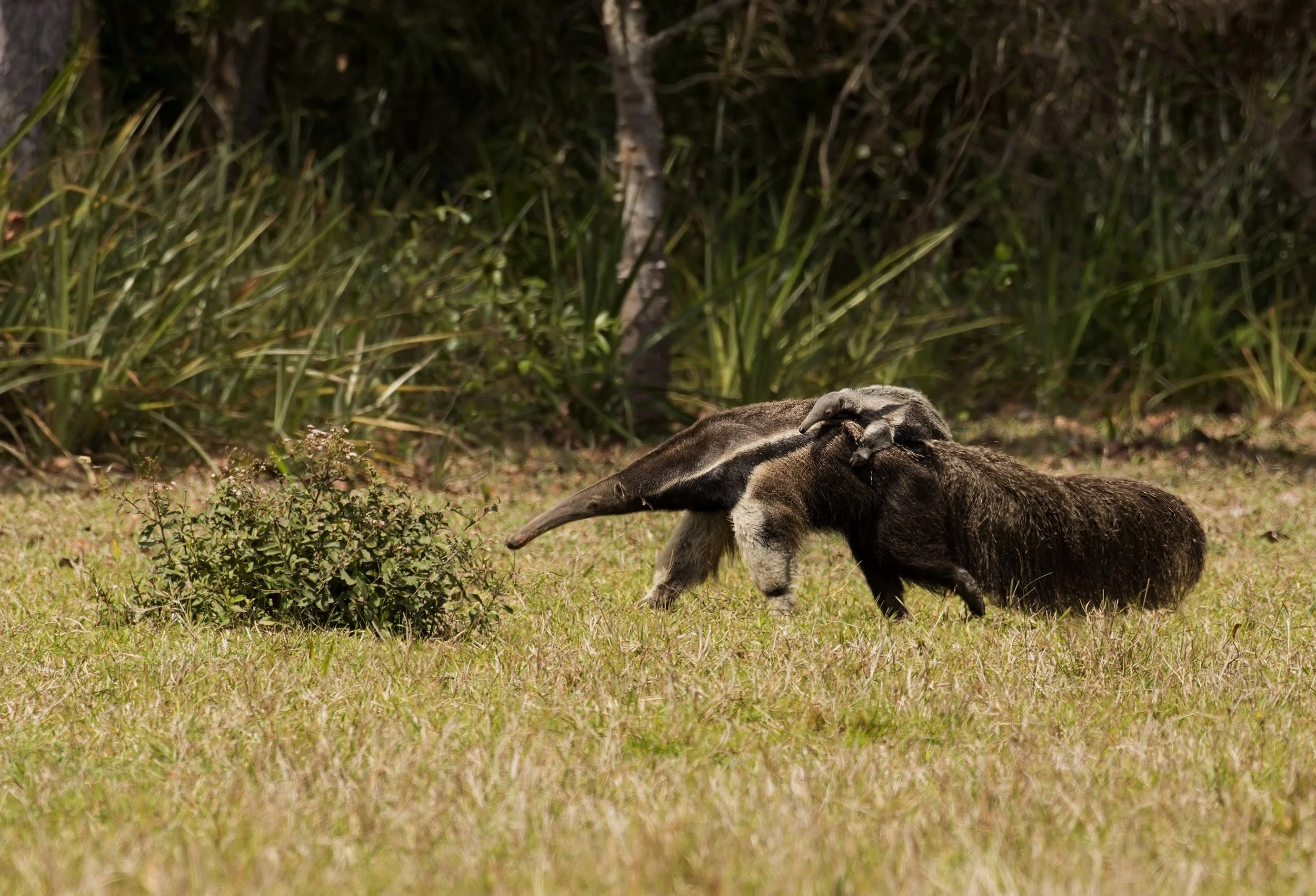
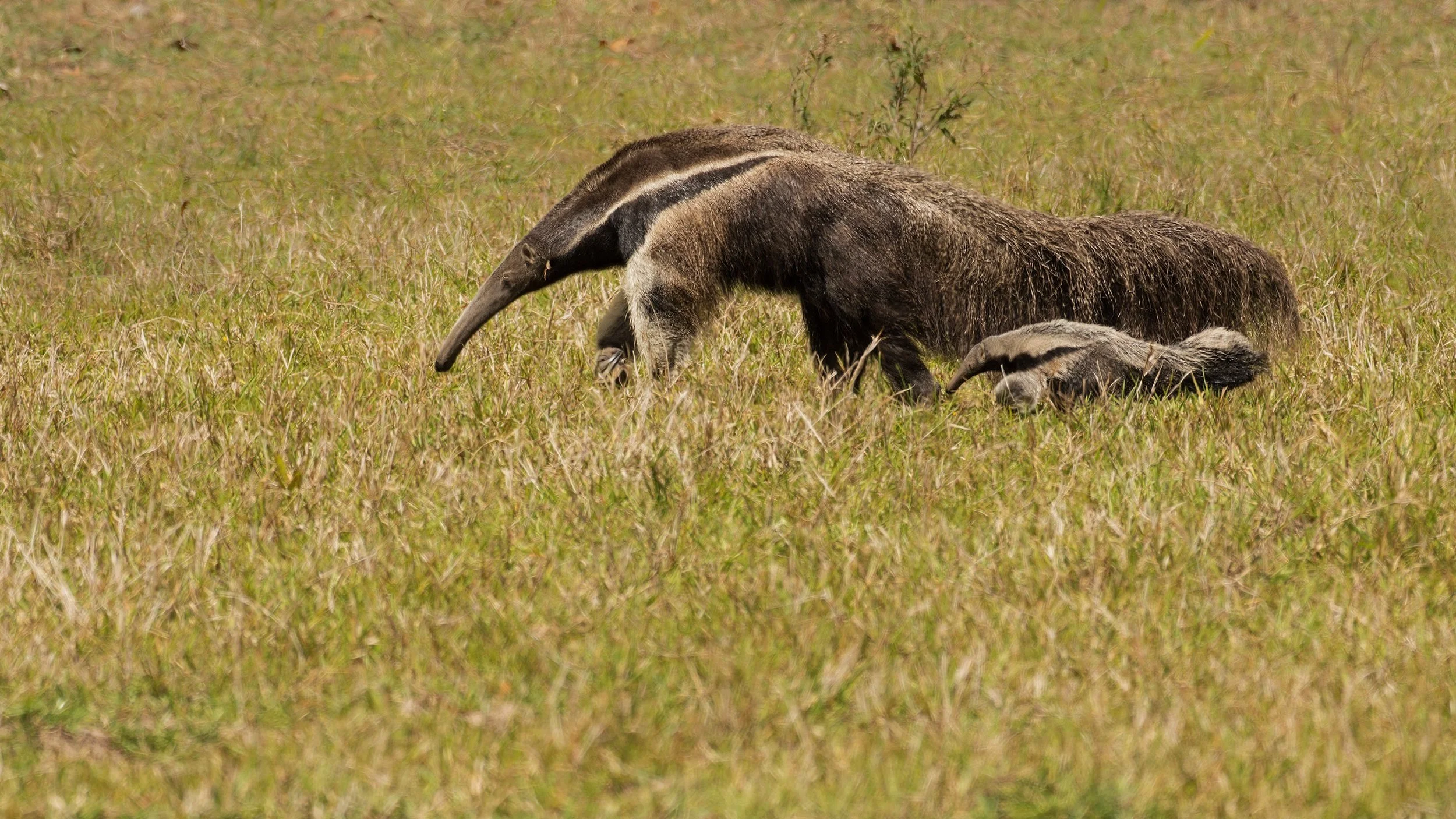
Giant Anteater (with pup)
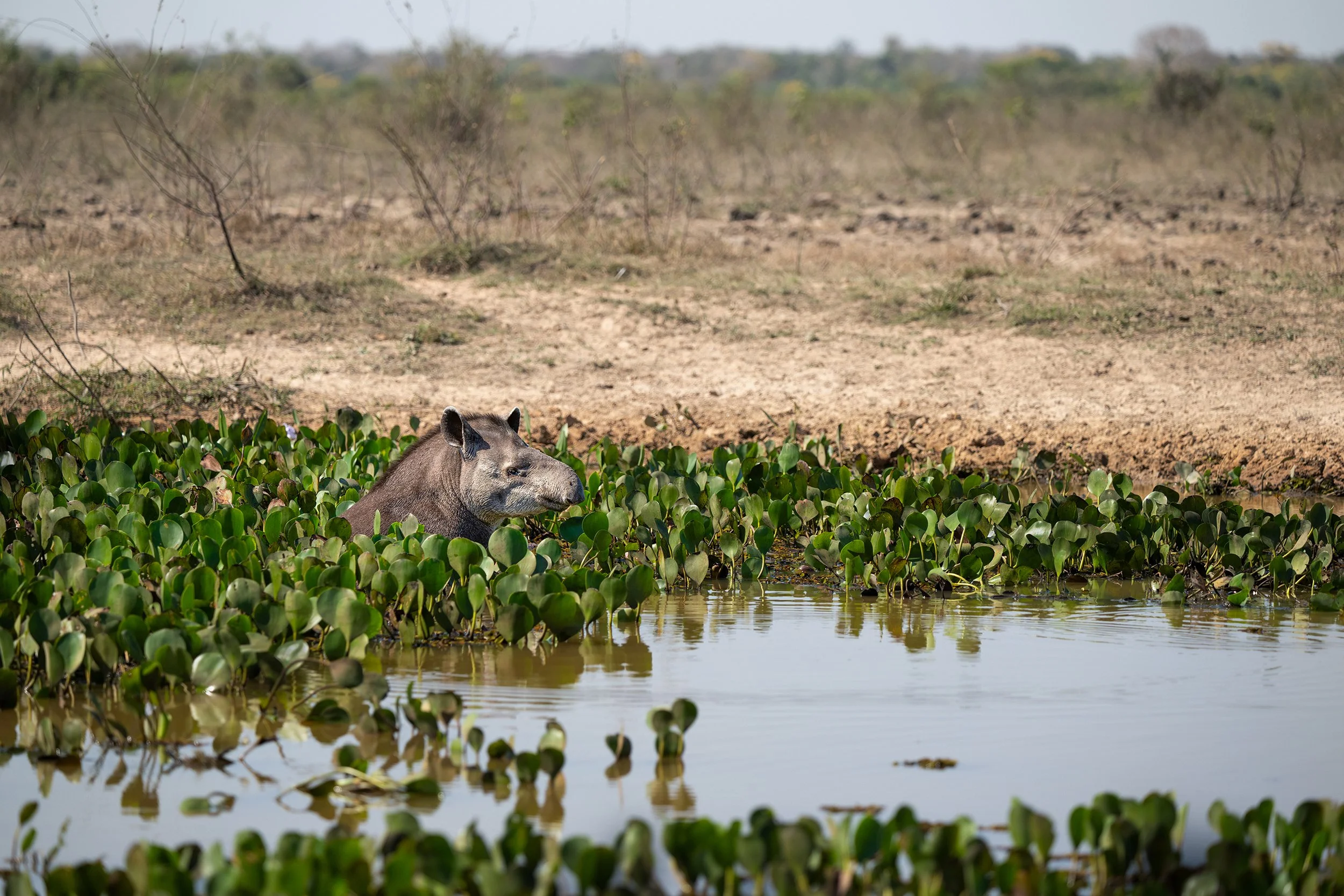
Brazilian Tapir
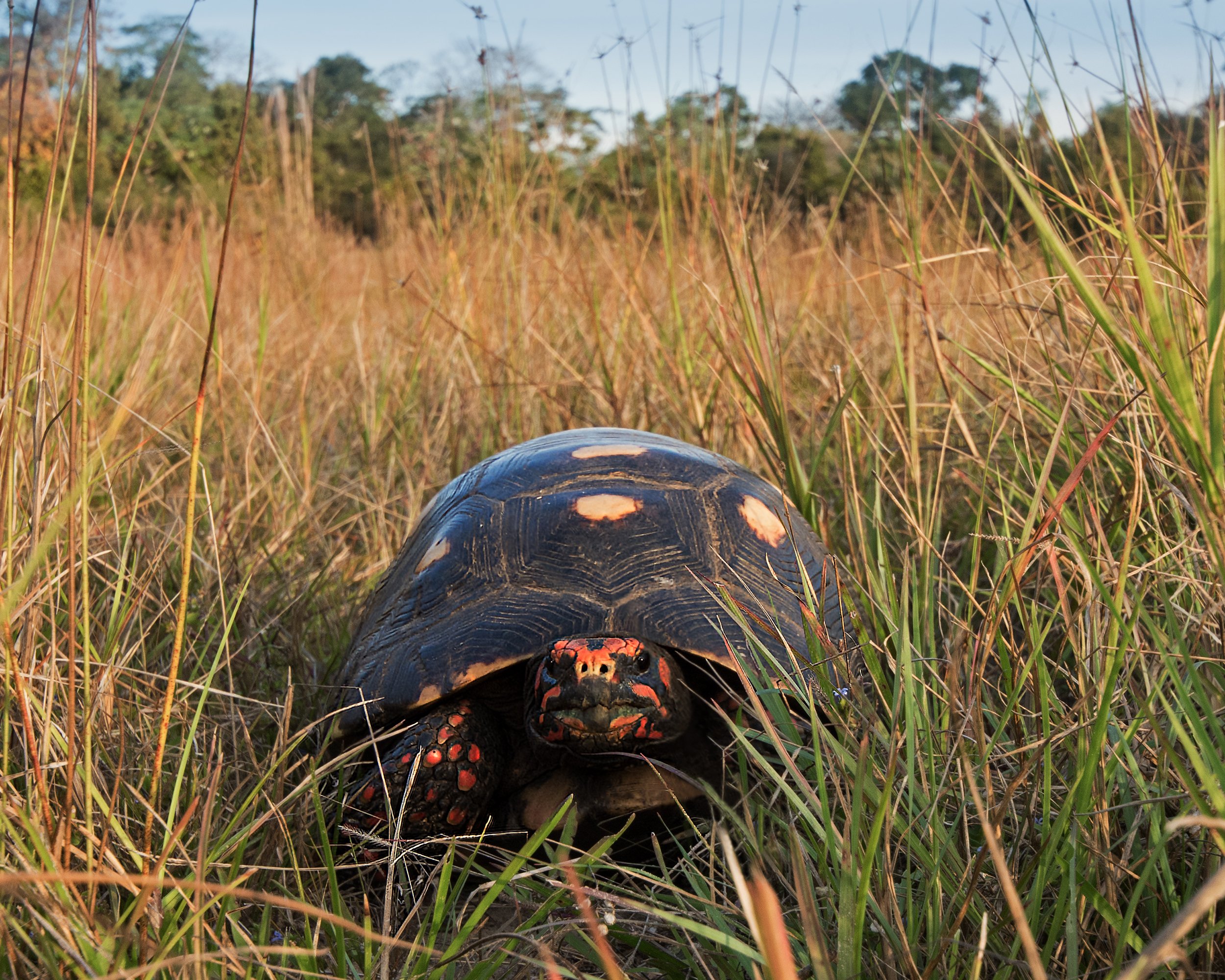
Red-footed Tortoise
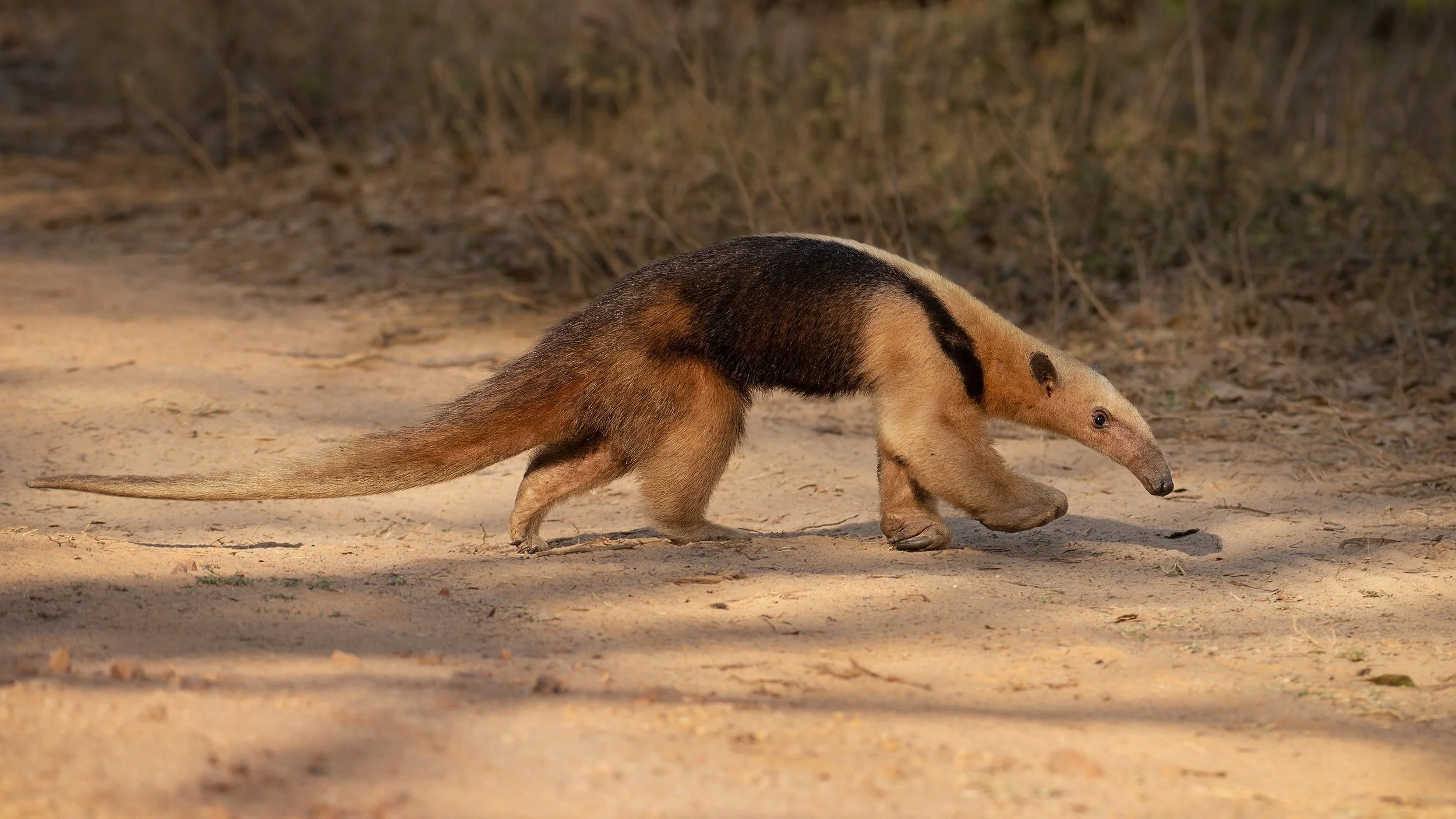
Southern Tamandua (Lesser Anteater)
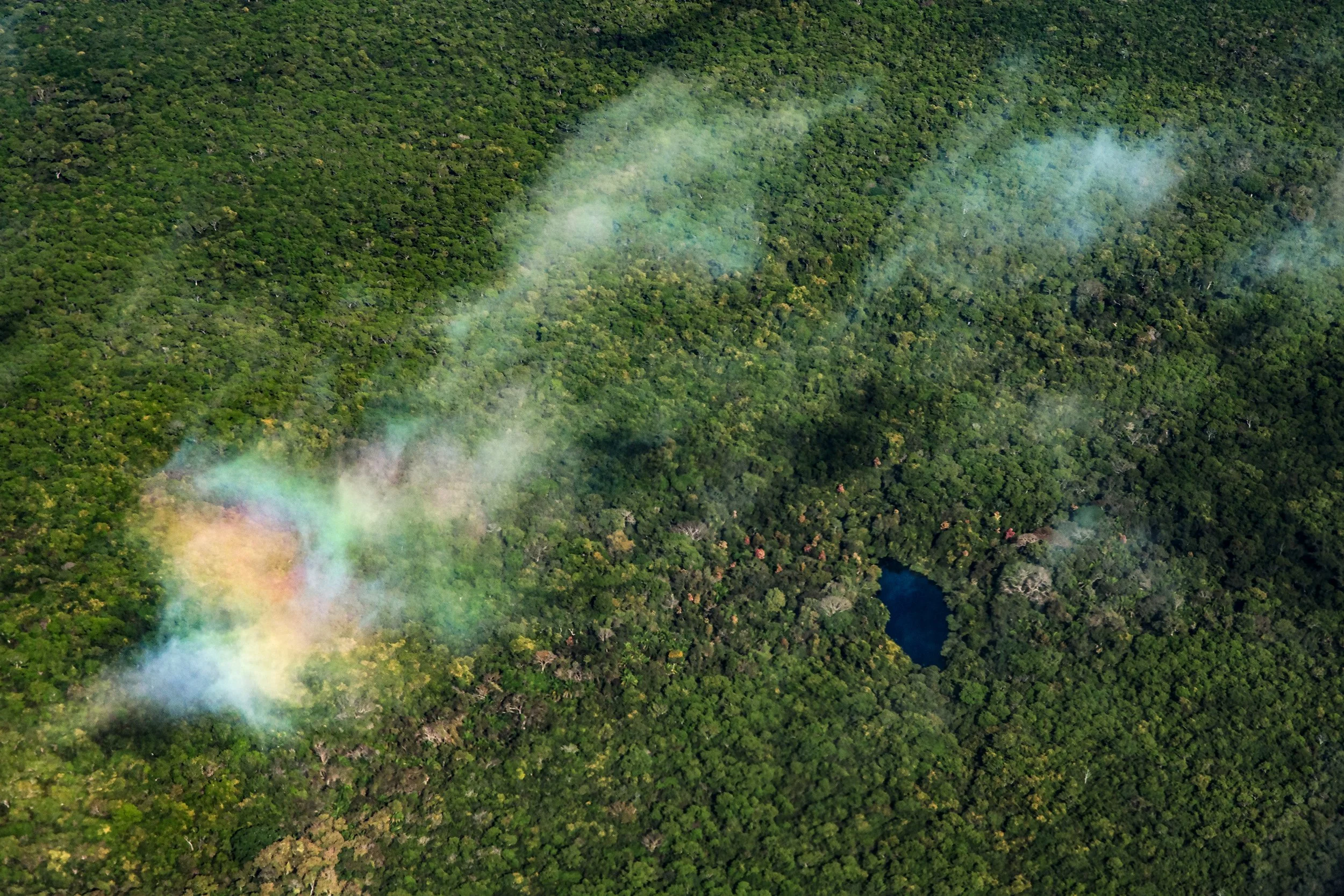
Pantanal Aerial
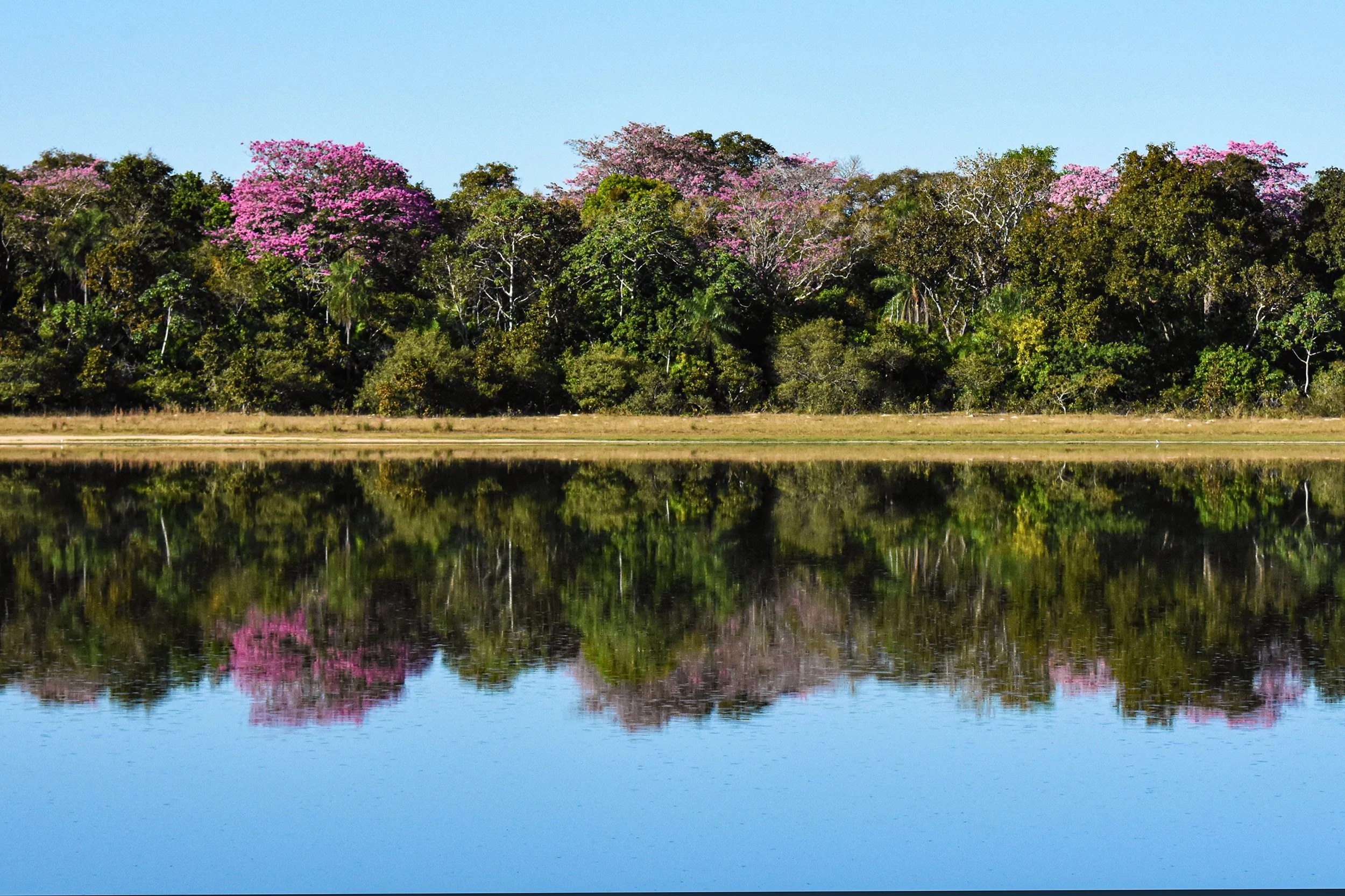
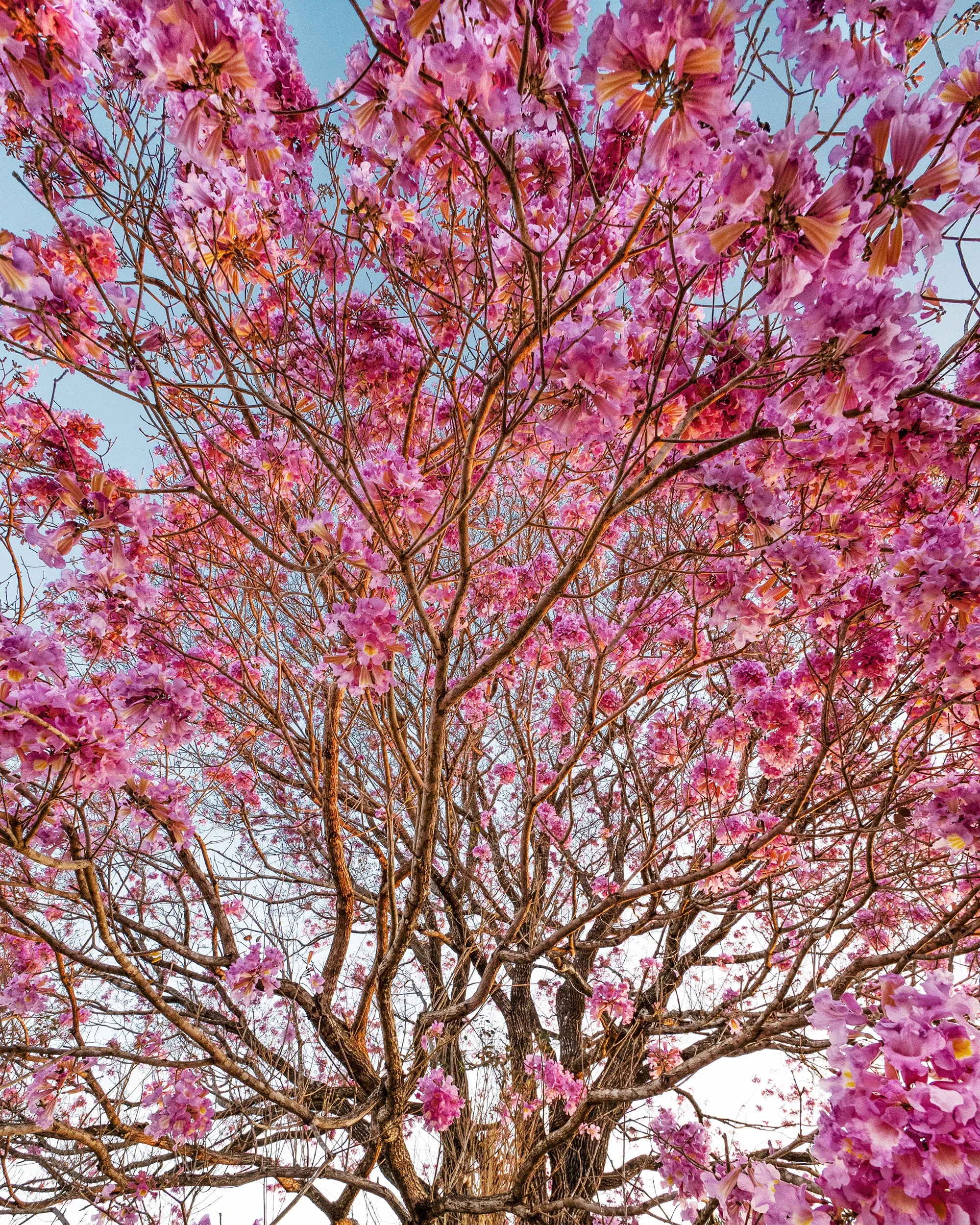
Salina (saline lake) with Pink Ipe Trees
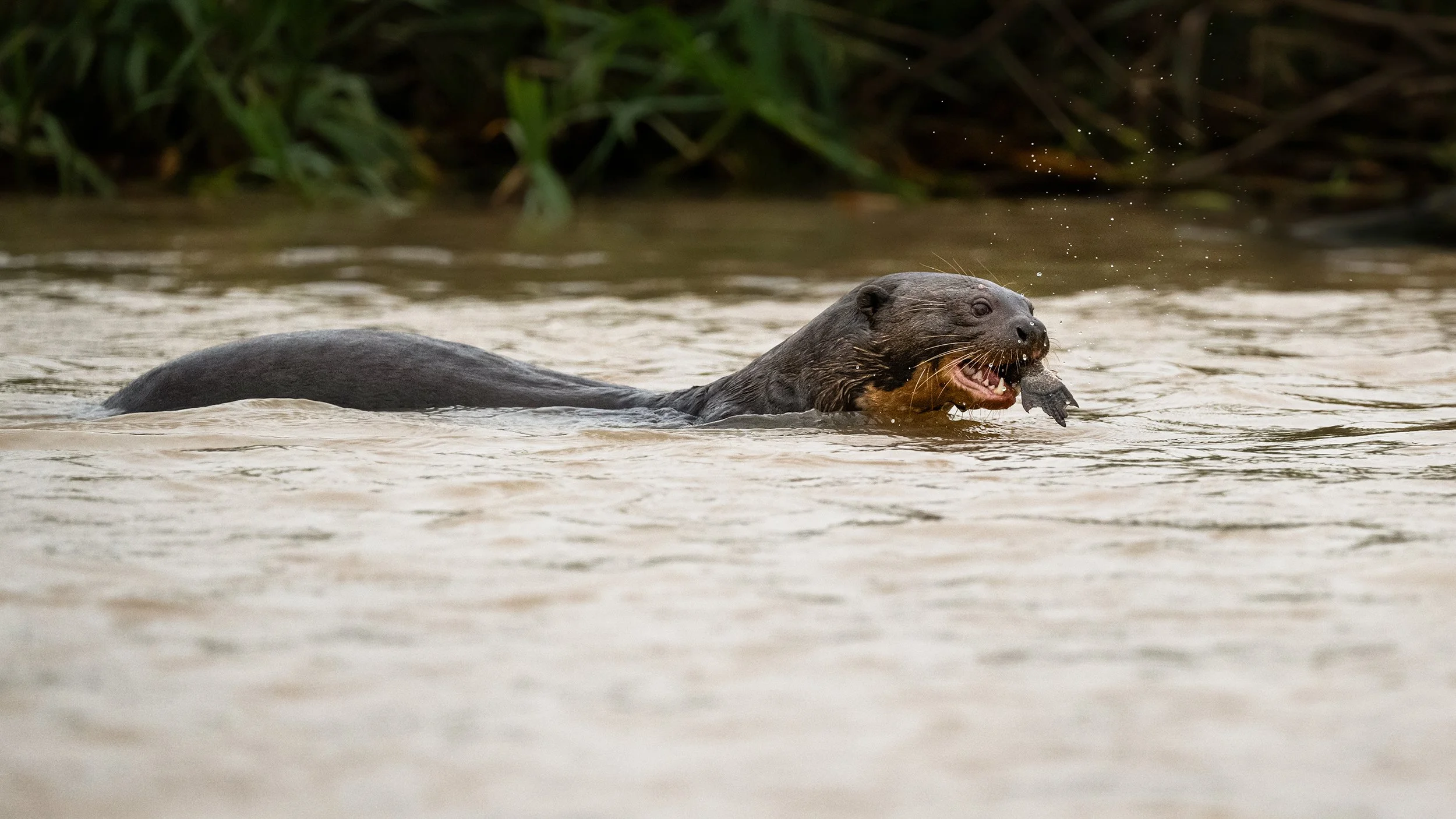
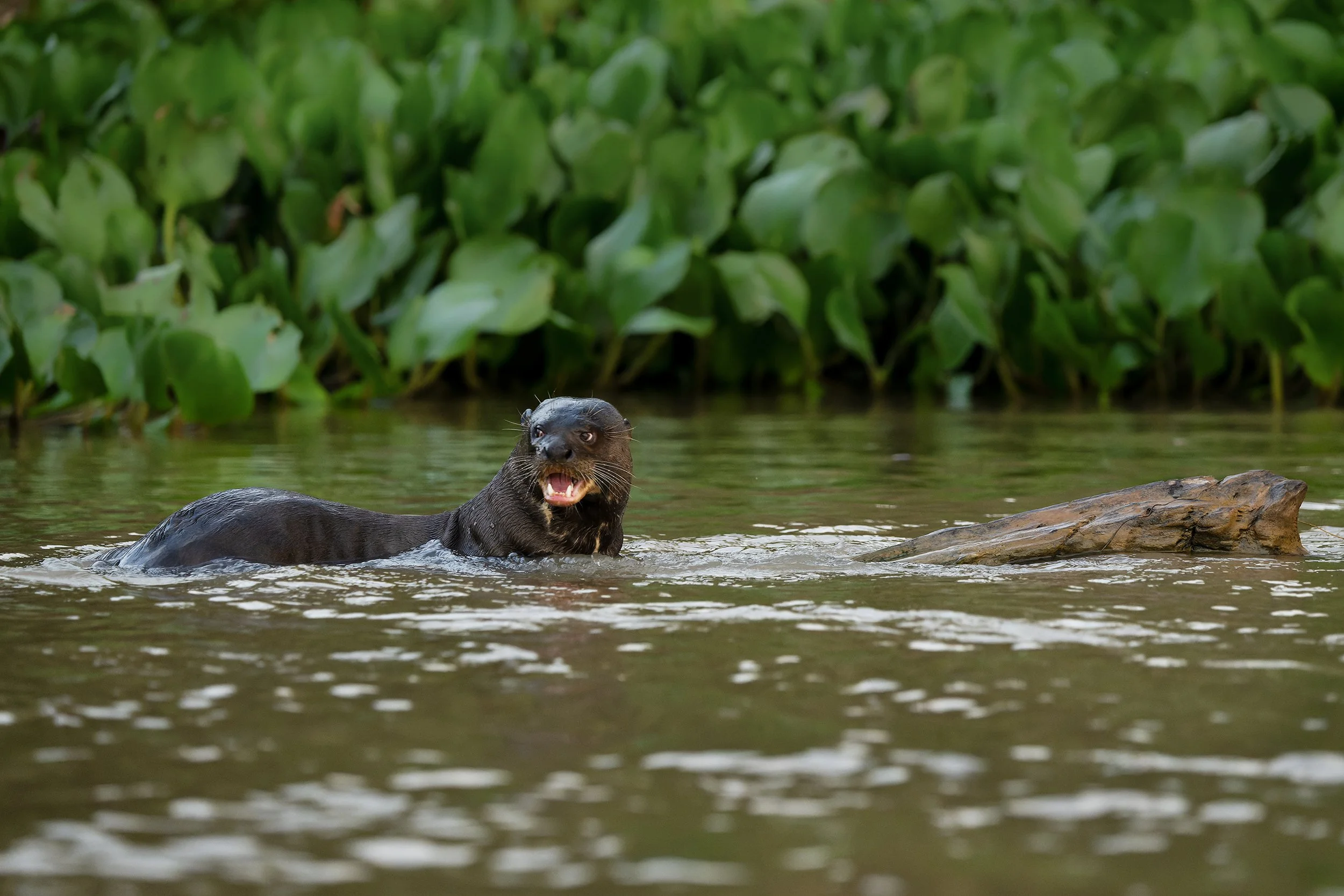
Giant Otter
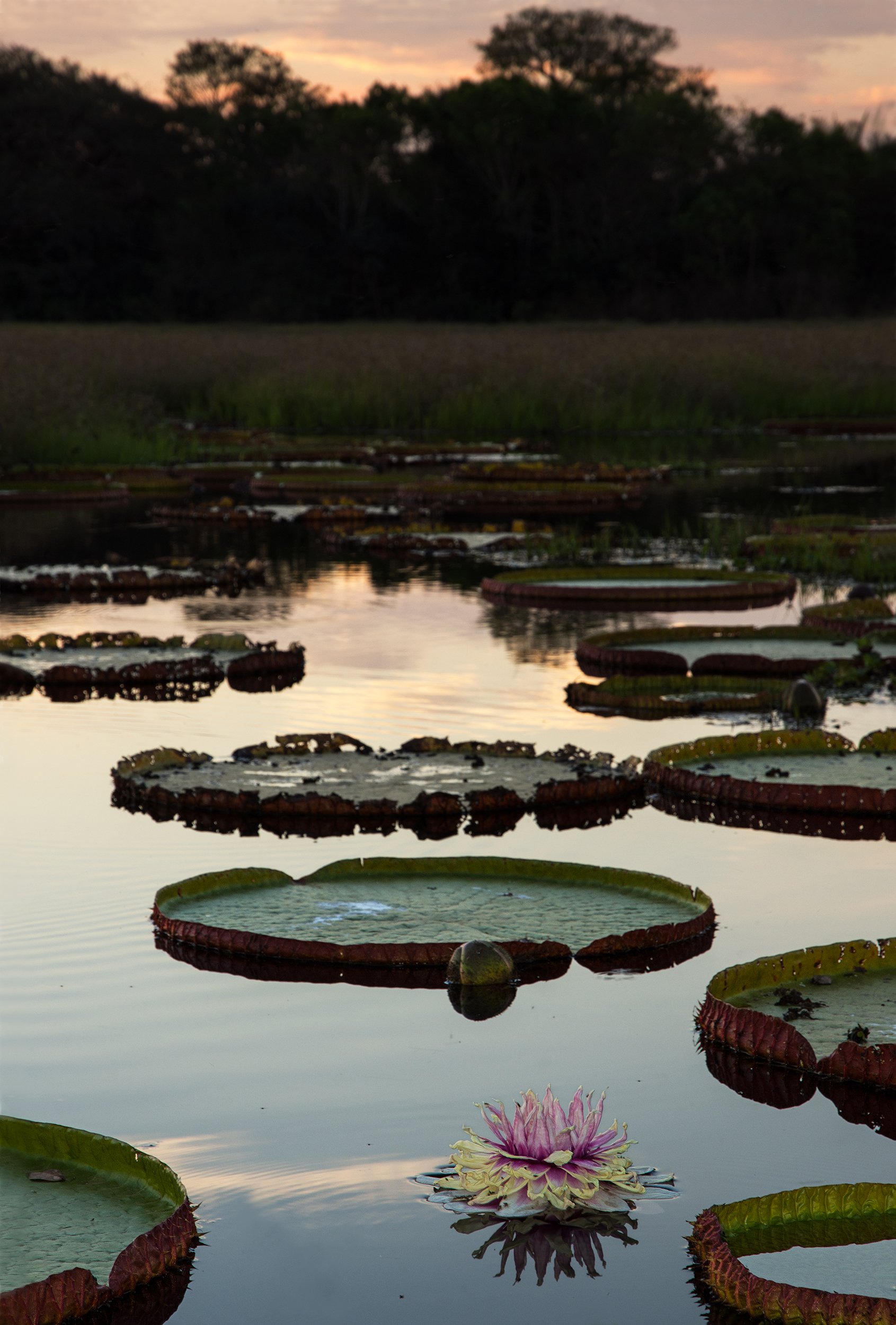
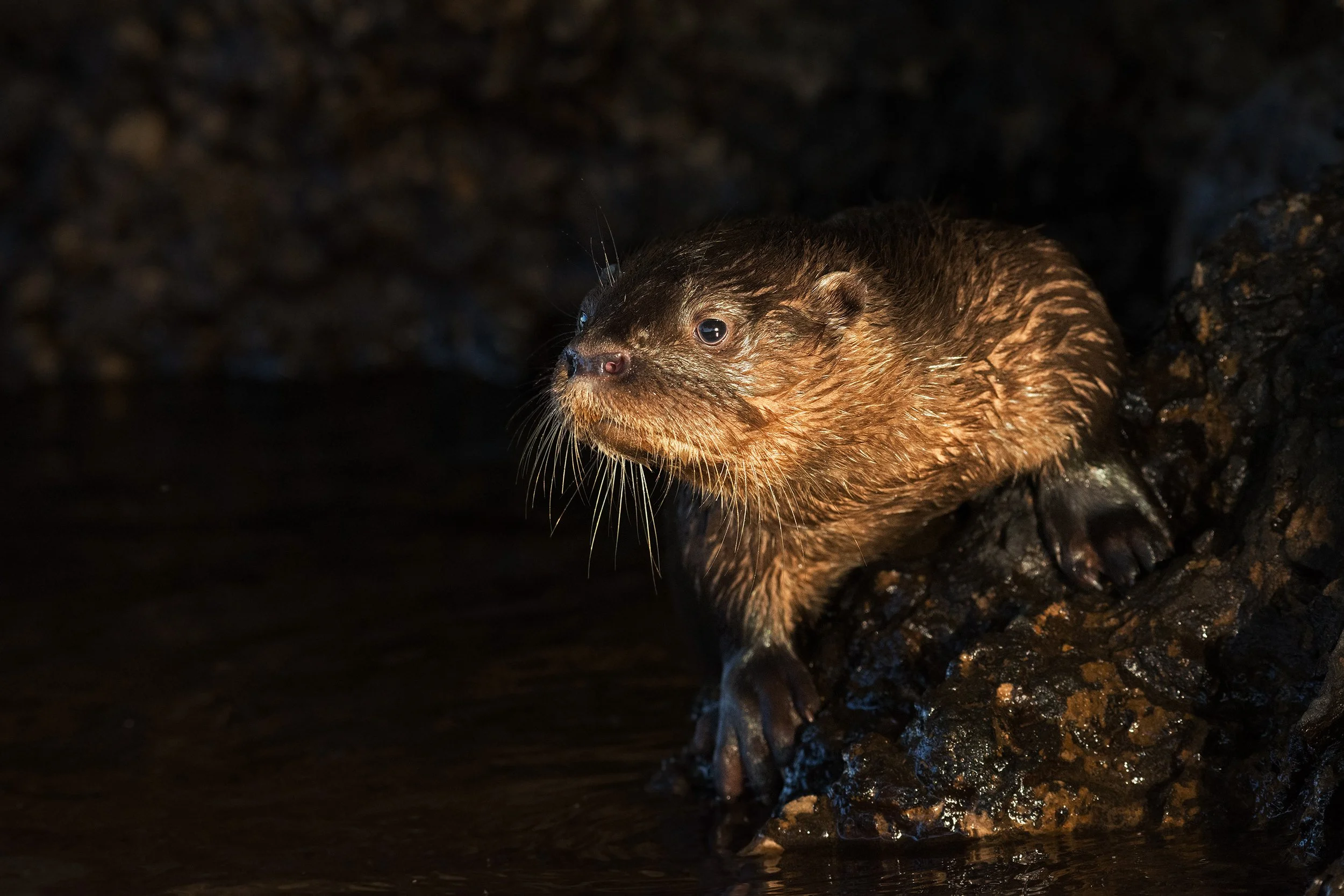
Neotropical Otter
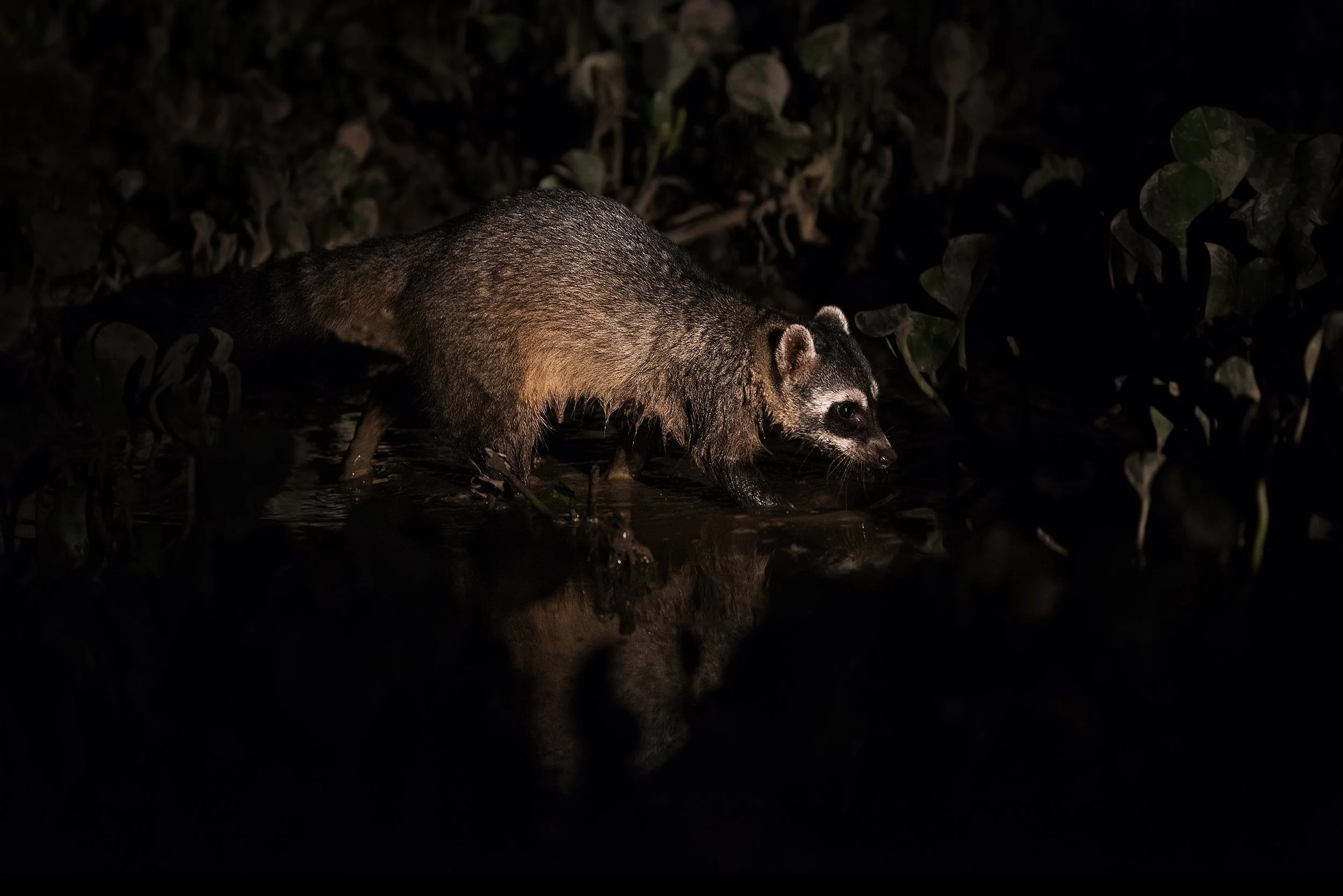
Crab-eating Raccoon
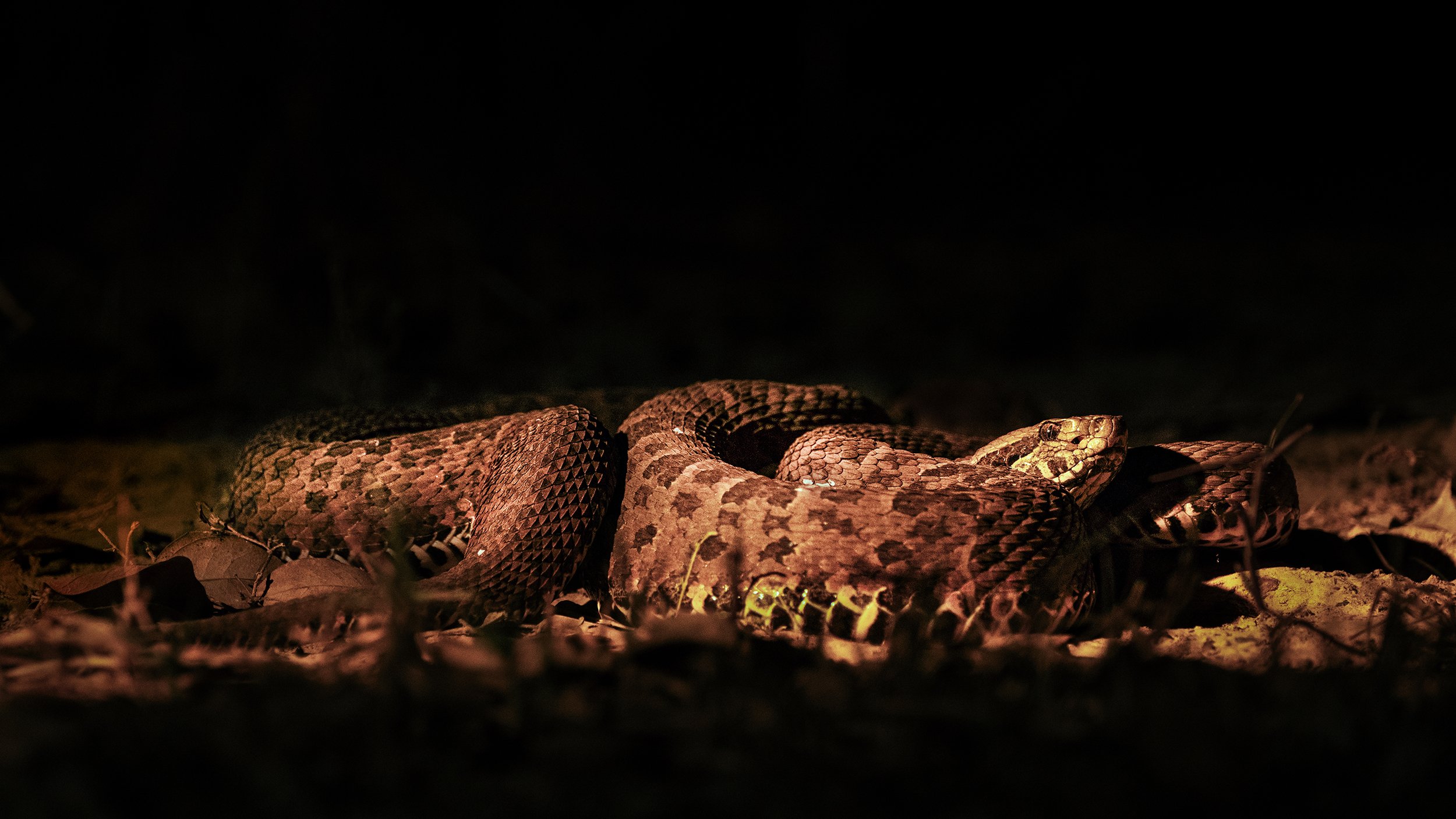
Mato Grosso Lancehead (a/k/a Jararaca) (Bothrops mattogrossensis)
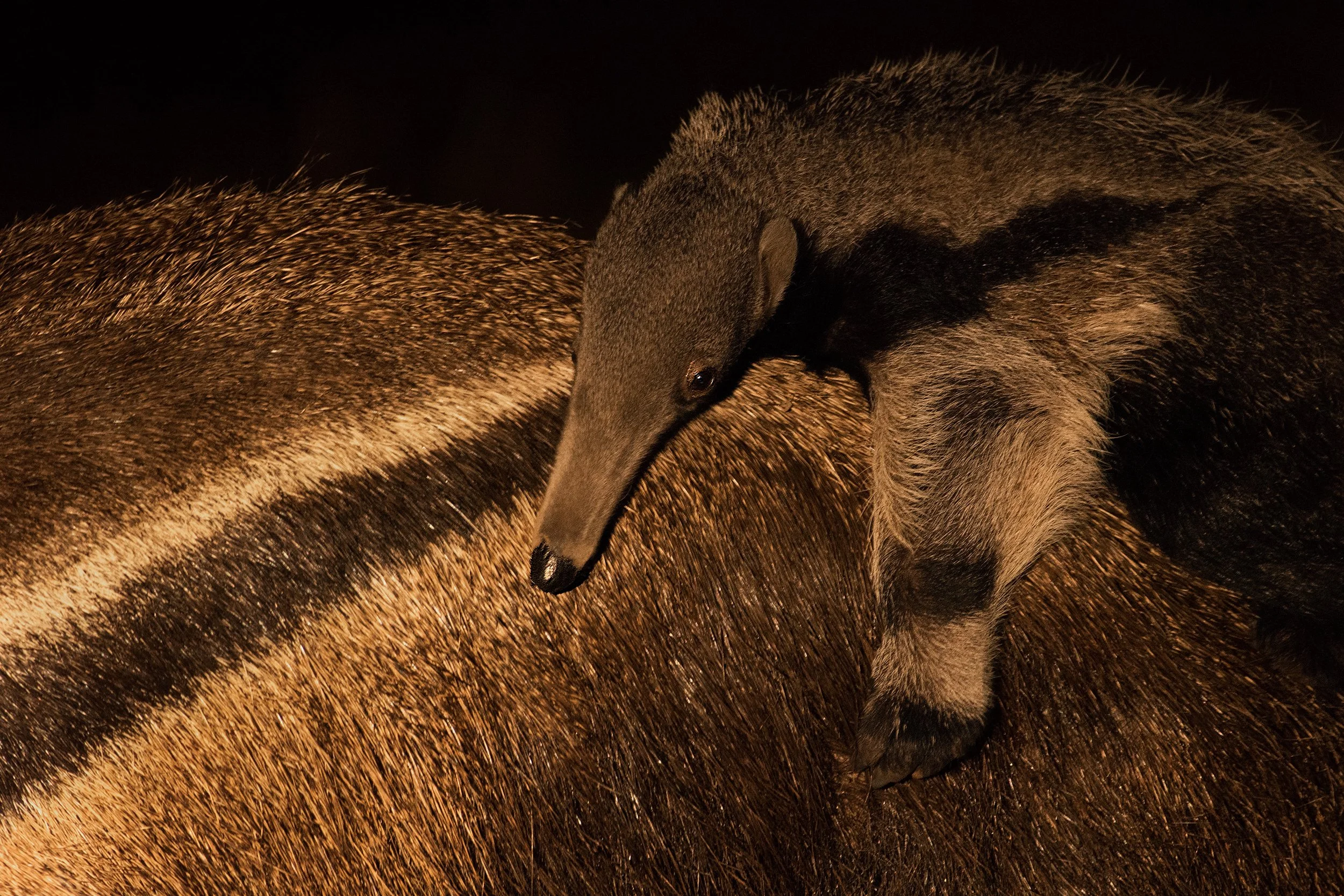
Giant Anteater Pup