
Al Norte del Rio
Few borders in the world present more contrasts than that separating the United States and Mexico. Beginning in Texas, the border follows the Rio Grande River – or, as they call it in Mexico, el Rio Bravo del Norte. Al norte (to the north), the borderlands in Texas have long reflected the complex diversity of this unique region, a place where American cowboy culture intersects and freely blends with the rich colors, sounds, and culinary traditions of Latin America.
After the Rio Grande’s course completes the geographic curvature that gives the iconic Big Bend National Park its name, it flows steadily southeast to the Gulf of Mexico. The eastern edges of the rugged Trans-Pecos blend with the tranquil beauty of the western fringes of the Texas Hill Country, and then give way to the harsh thorn scrub of the flat South Texas brushlands before reaching the last fragments of lush ebony and sabal palm forests in the rapidly developing lower Rio Grande Valley.
The photographs in this collection were all made within that slice of Texas bordered by the Rio Grande to the south; the Pecos River to the west; the Gulf to the east; and, somewhat roughly, the Nueces River to the north. It’s an area that once led to war: Mexico claimed its border extended to the Nueces; Texas asserted it ended at the Rio Grande. Today, as migrants flow north from Latin America in search of a better life, it remains at the center of controversy.
But this region is not only a crossroads of humanity; it is a land of immense and dynamic natural biodiversity, where tropical species at the very tip of their northern ranges, found nowhere else in the United States but here, and hanging on precariously as population growth, agricultural and urban development, and construction of a massive, looming border wall continue to encroach upon their native habitats, mix with western species that sometimes show up, but are more commonly found in the mountains and deserts of Arizona and New Mexico.
This is also the land of my childhood, where my love of nature was first nurtured, but from which I fled in adulthood. Yet this place of marked contrasts and seeming contradictions continues to maintain a grasp on me, calling me back again and again, as I suspect it always will.
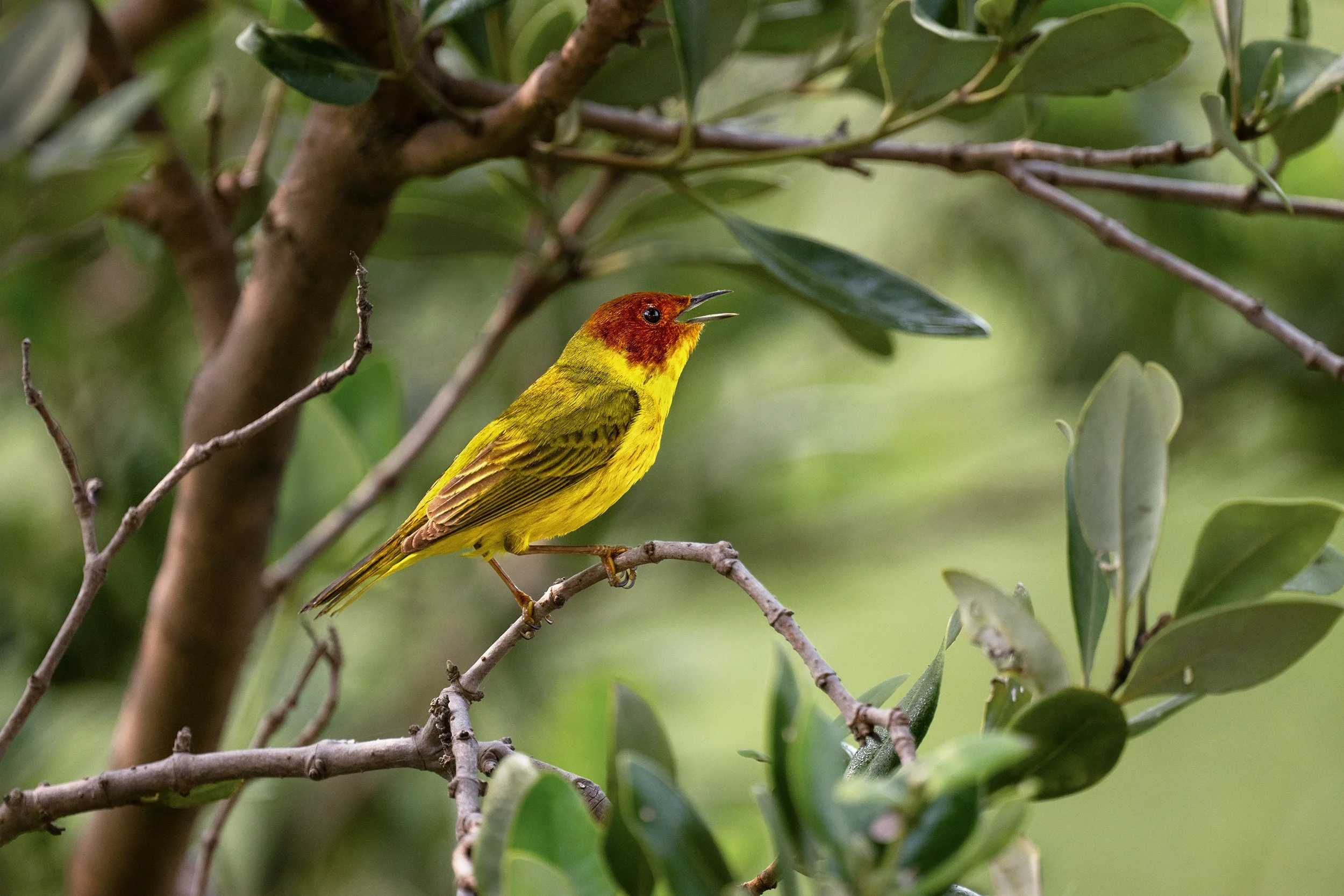
Mangrove Yellow Warbler (male)
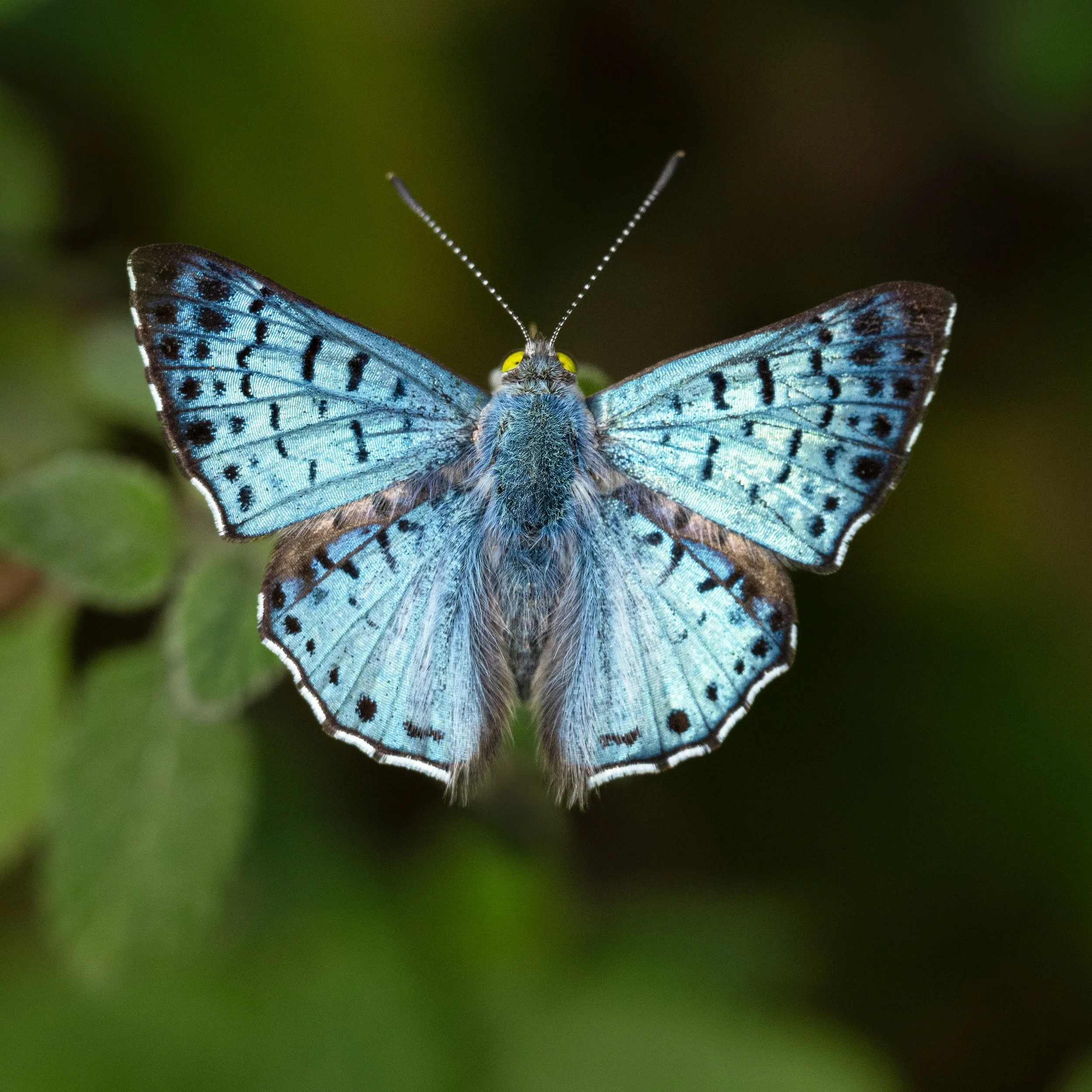
Blue Metalmark (male)
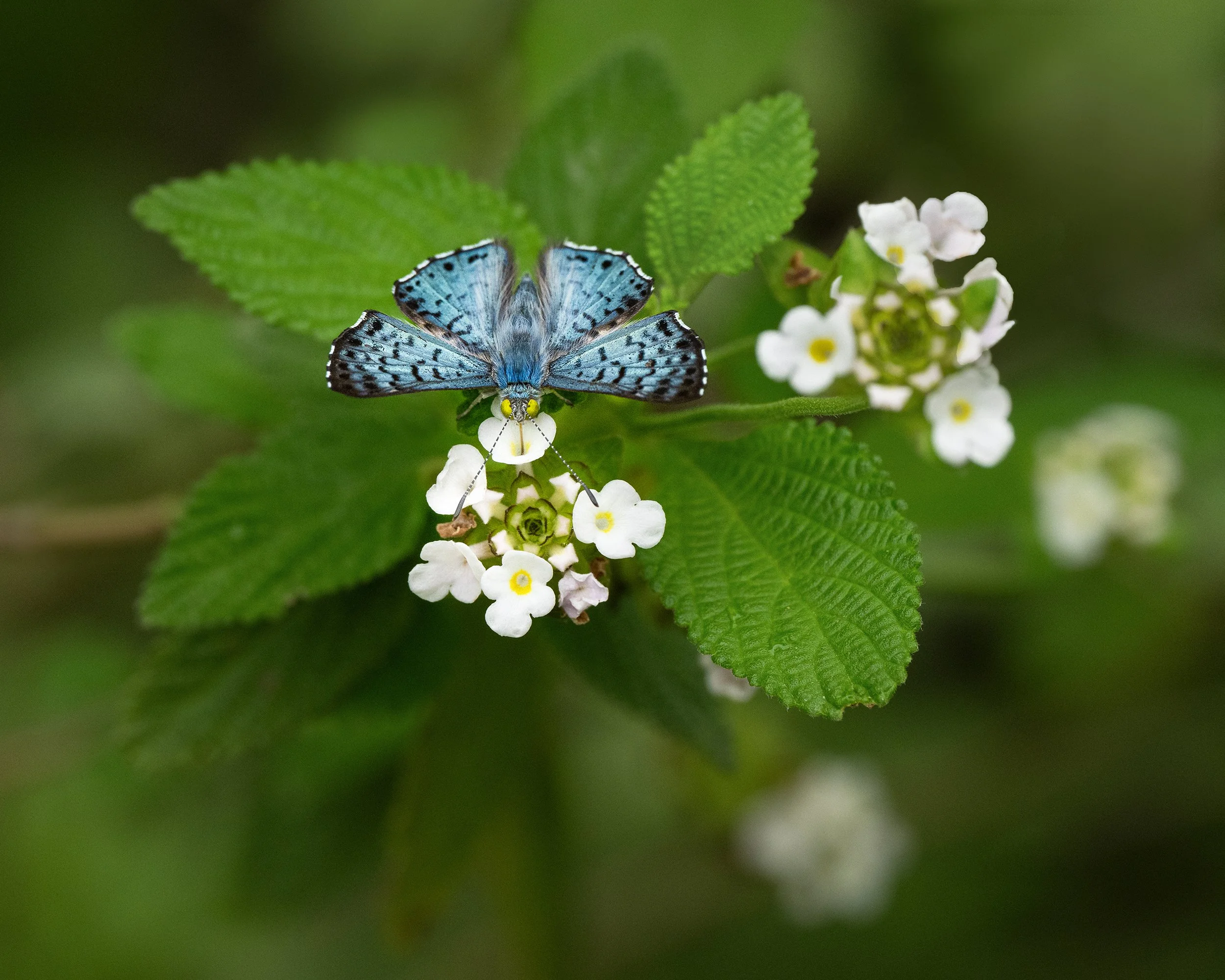
Blue Metalmark (male)
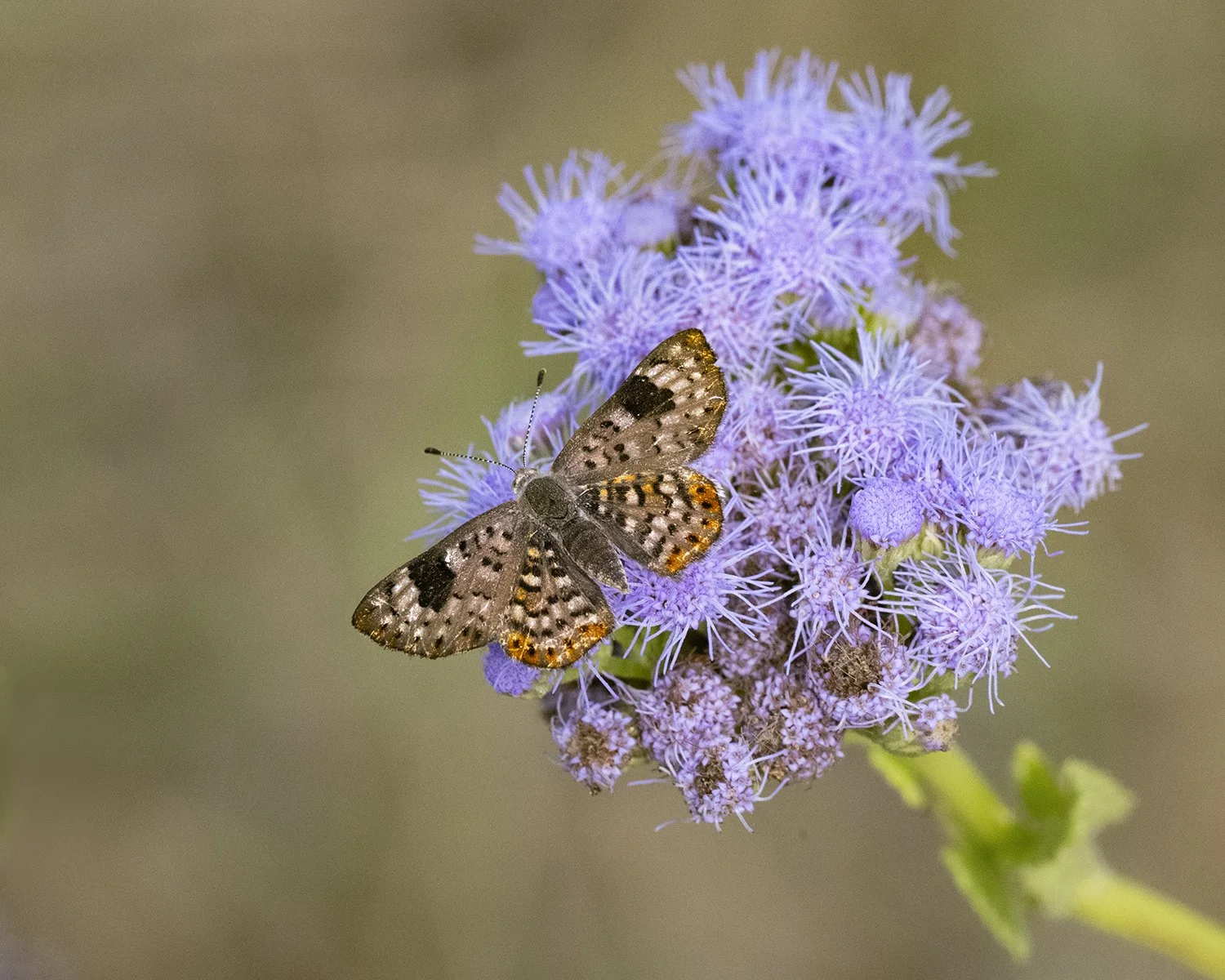
Walker's Metalmark
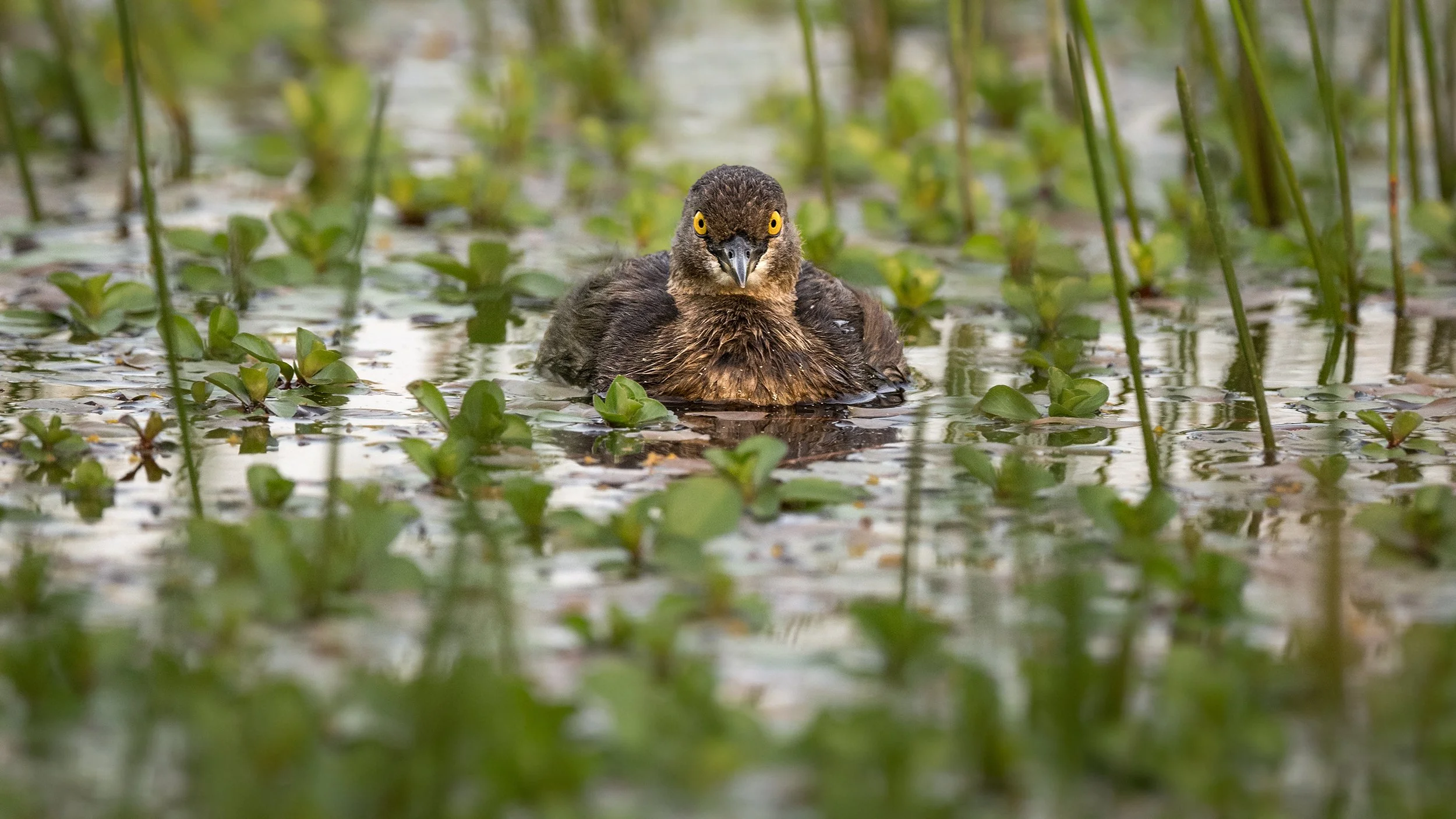
Least Grebe
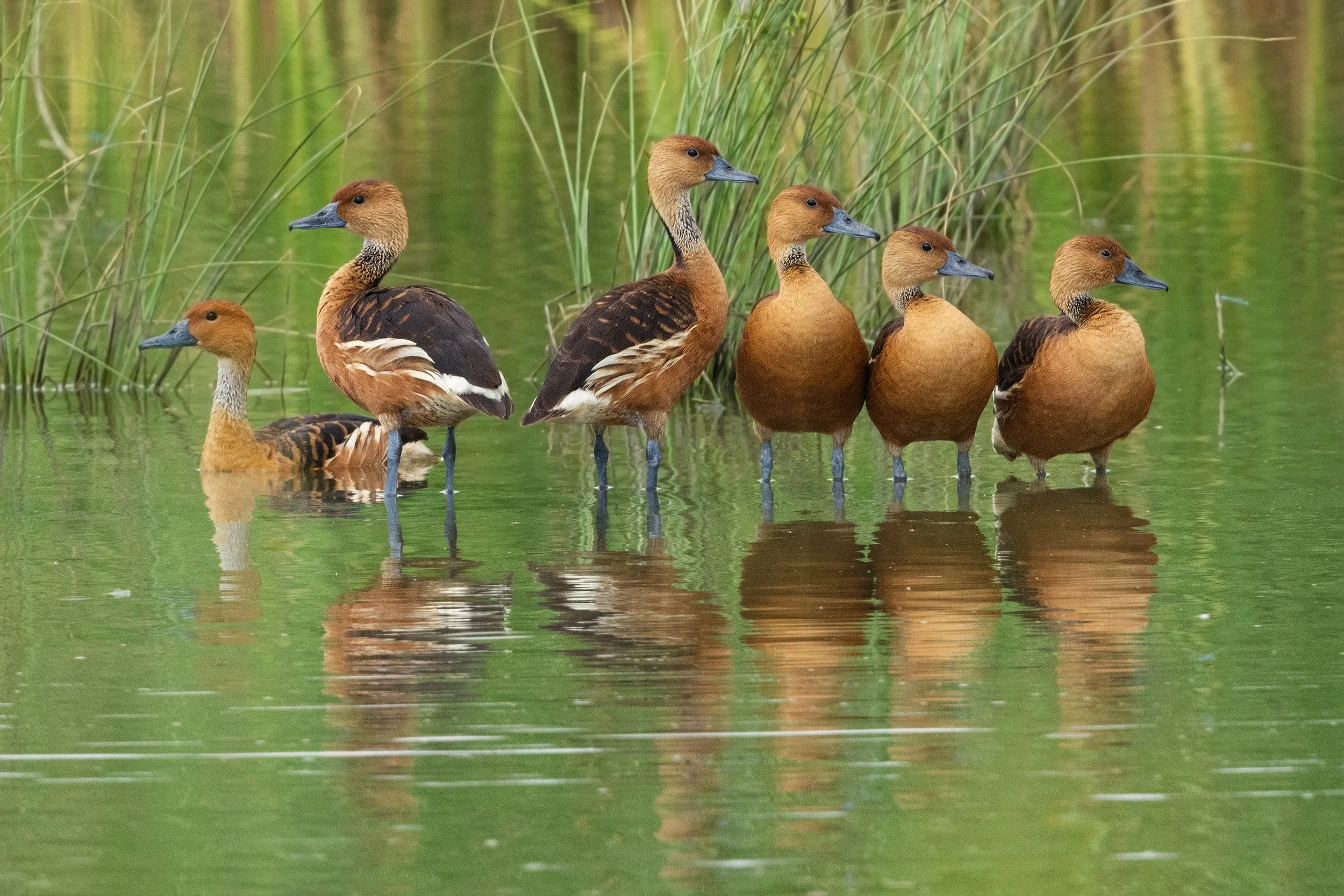
Fulvous Whistling-Duck
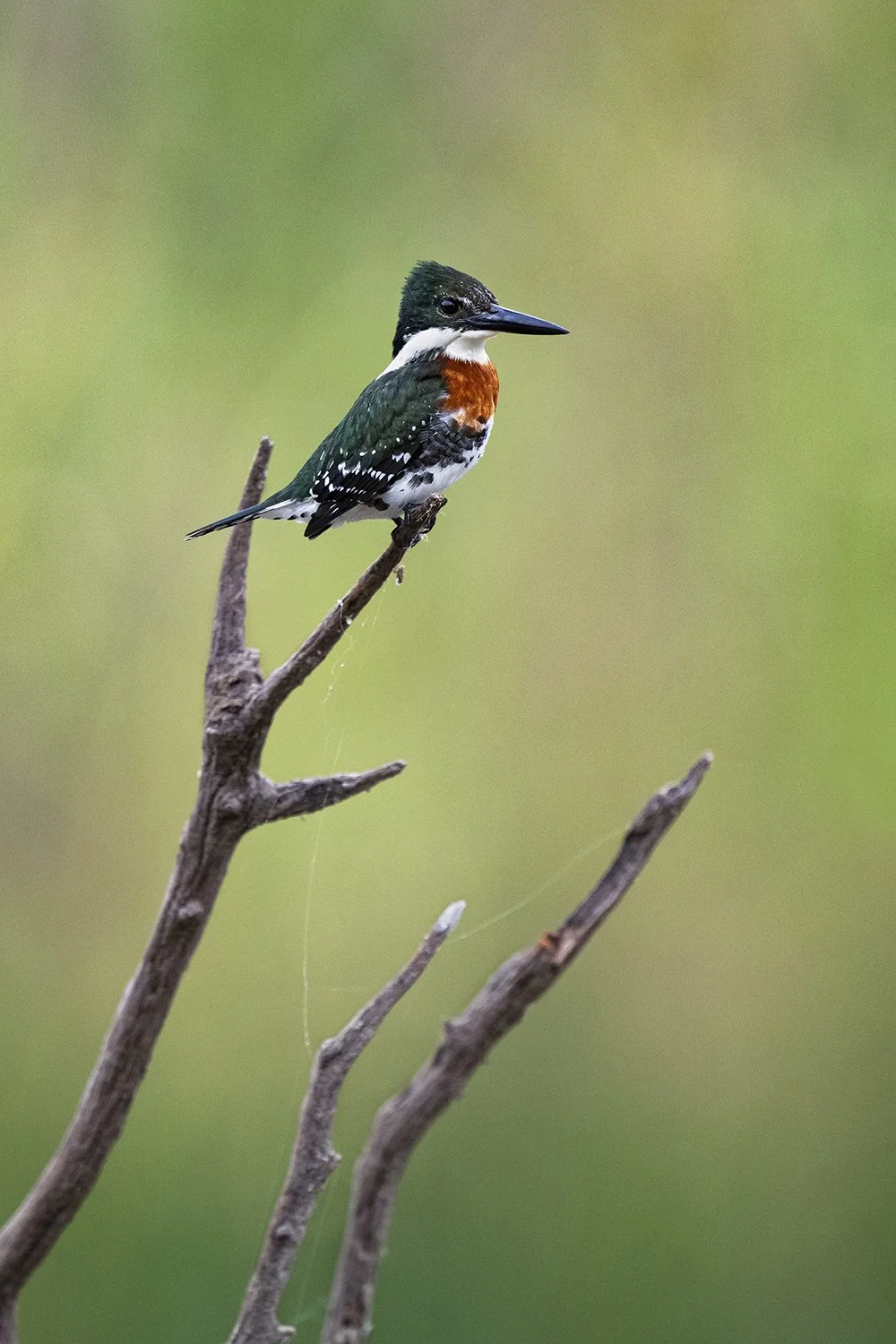
Green Kingfisher (male)
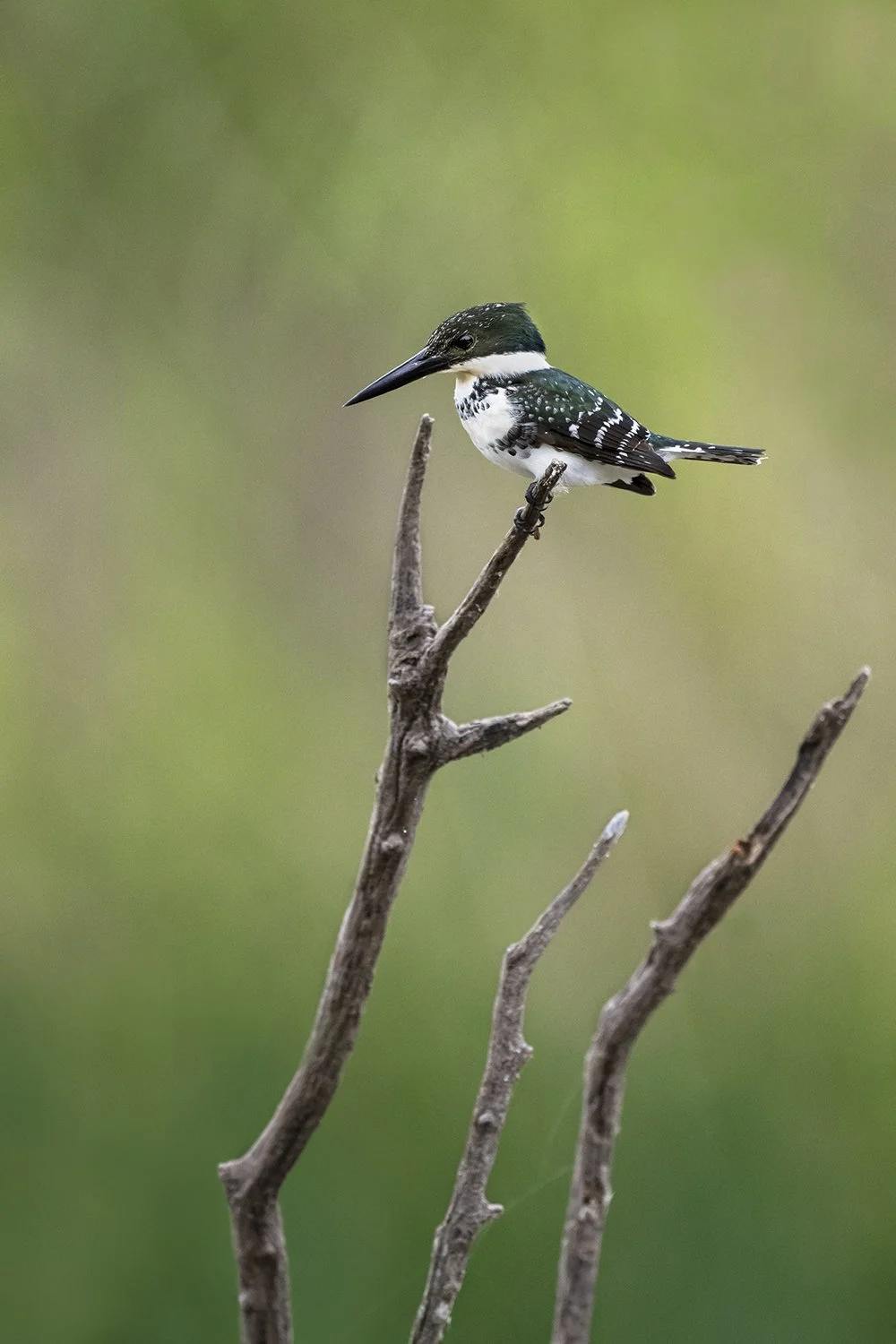
Green Kingfisher (female)
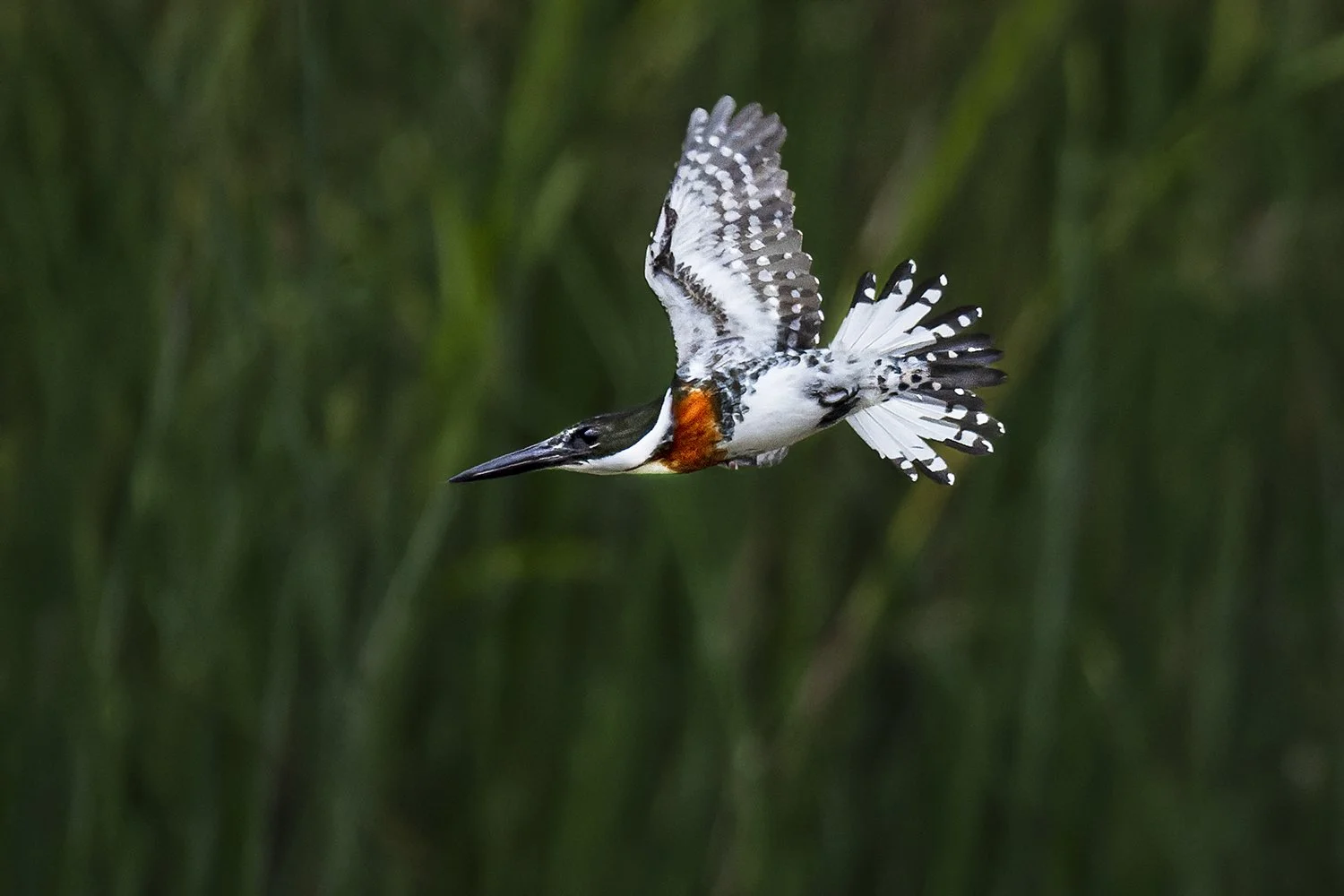
Green Kingfisher (male)
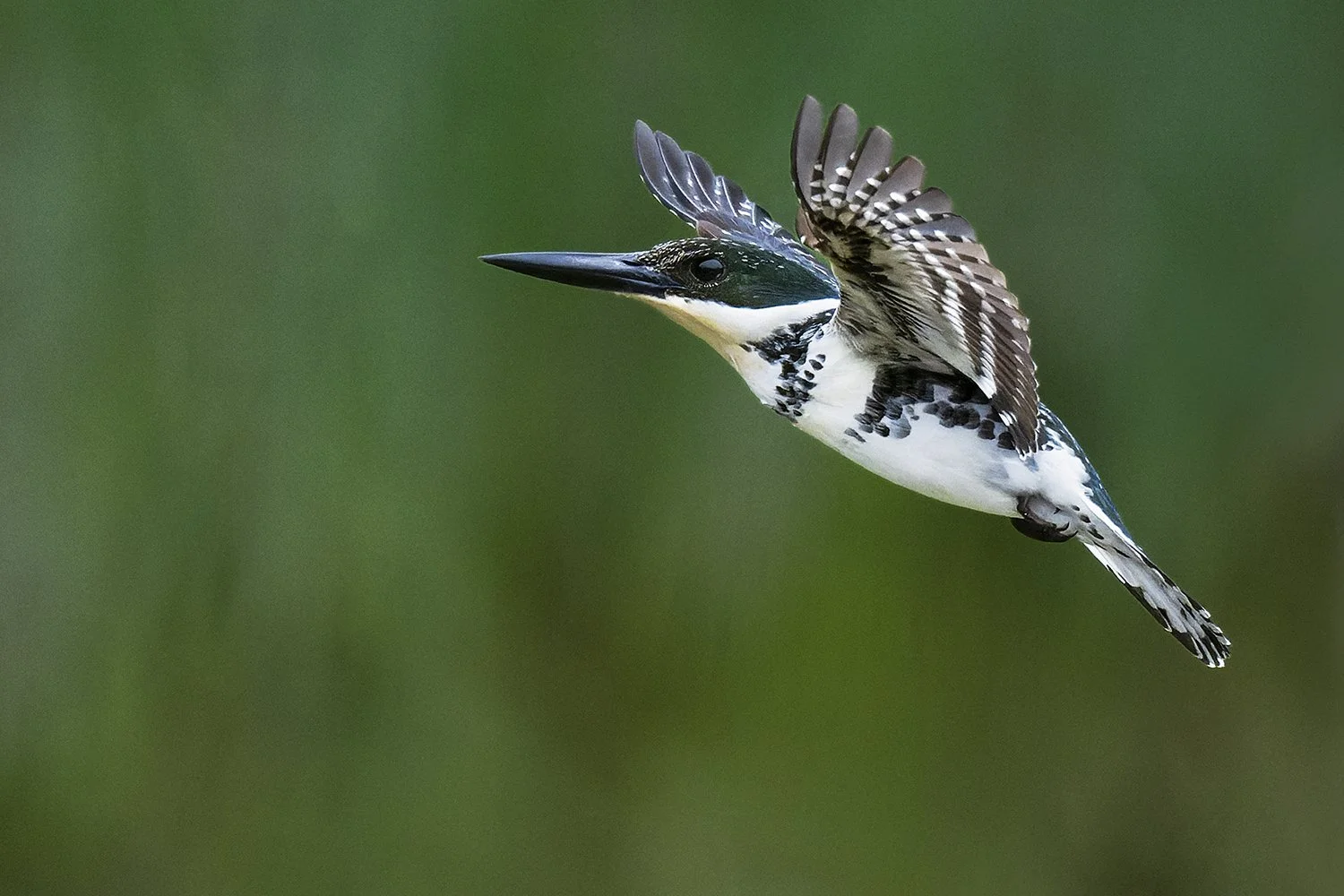
Green Kingfisher (female)
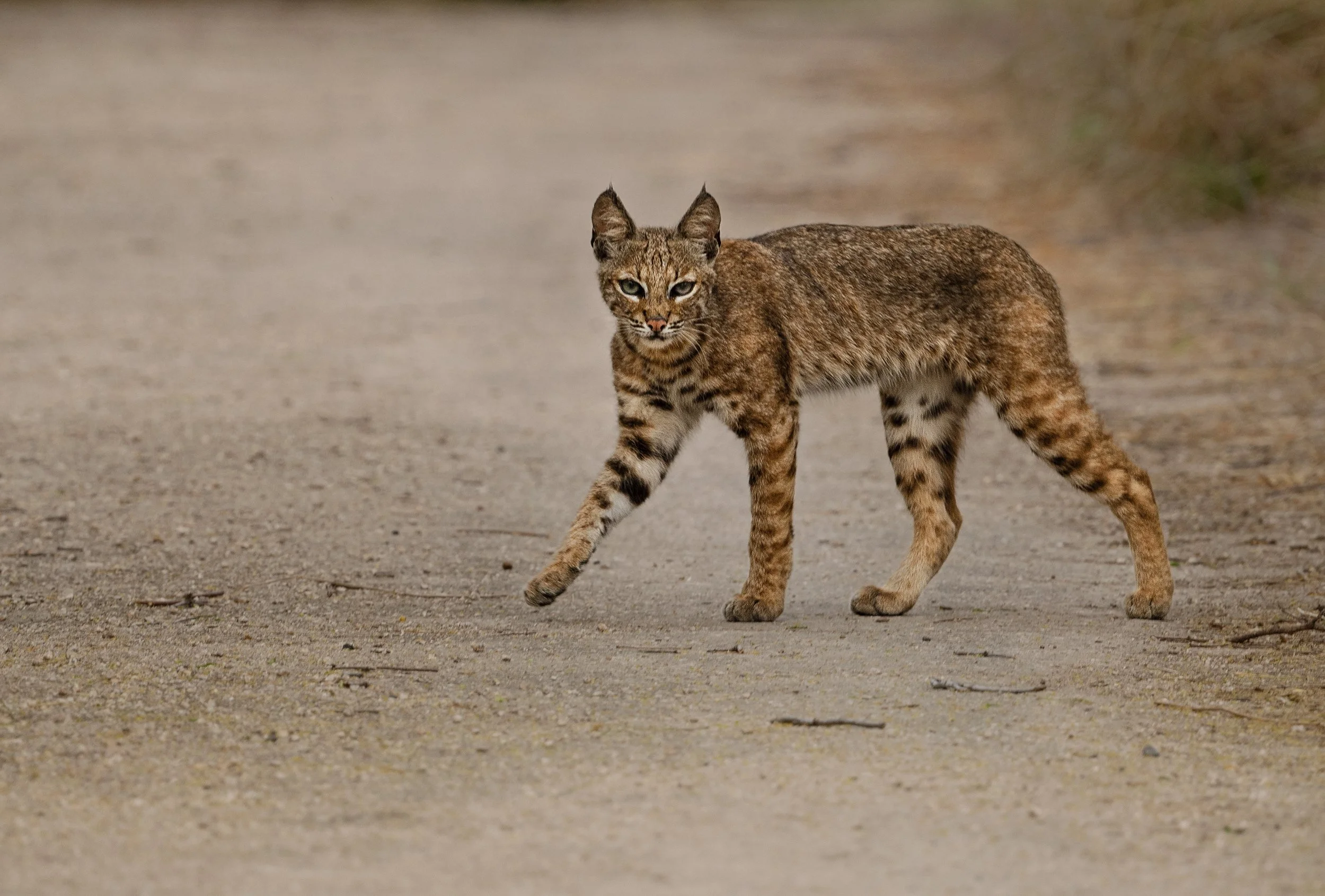
Bobcat
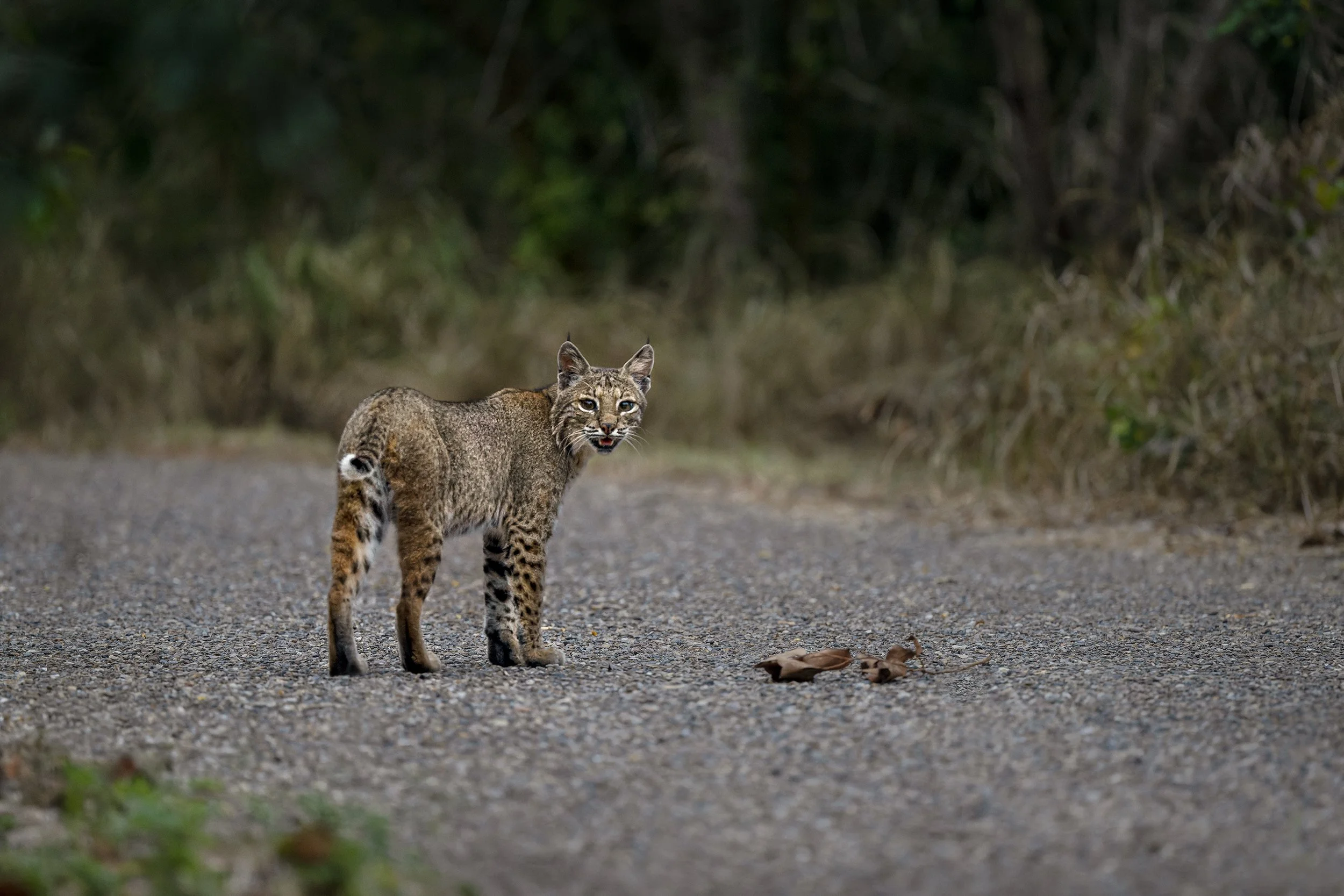
Bobcat
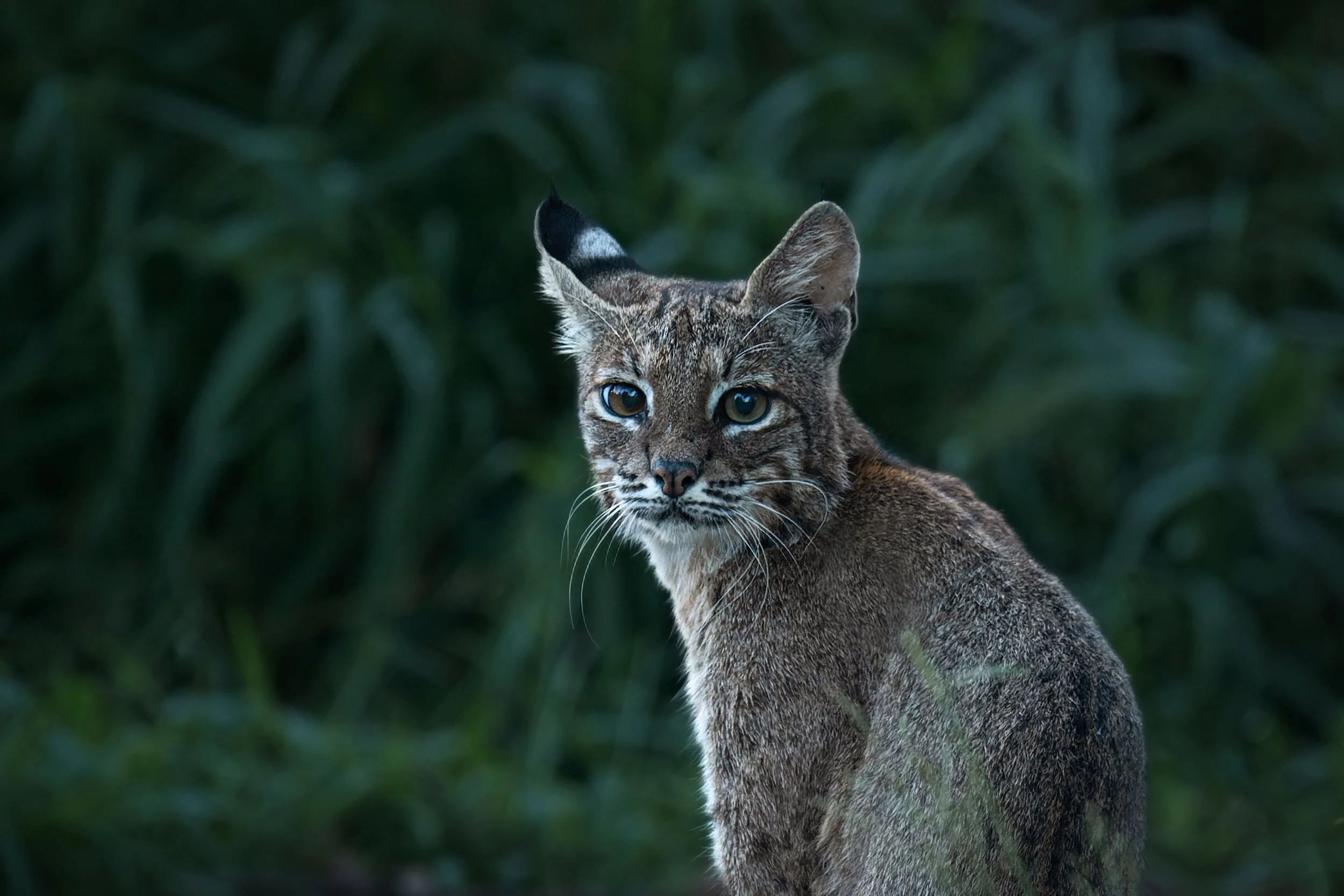
Bobcat
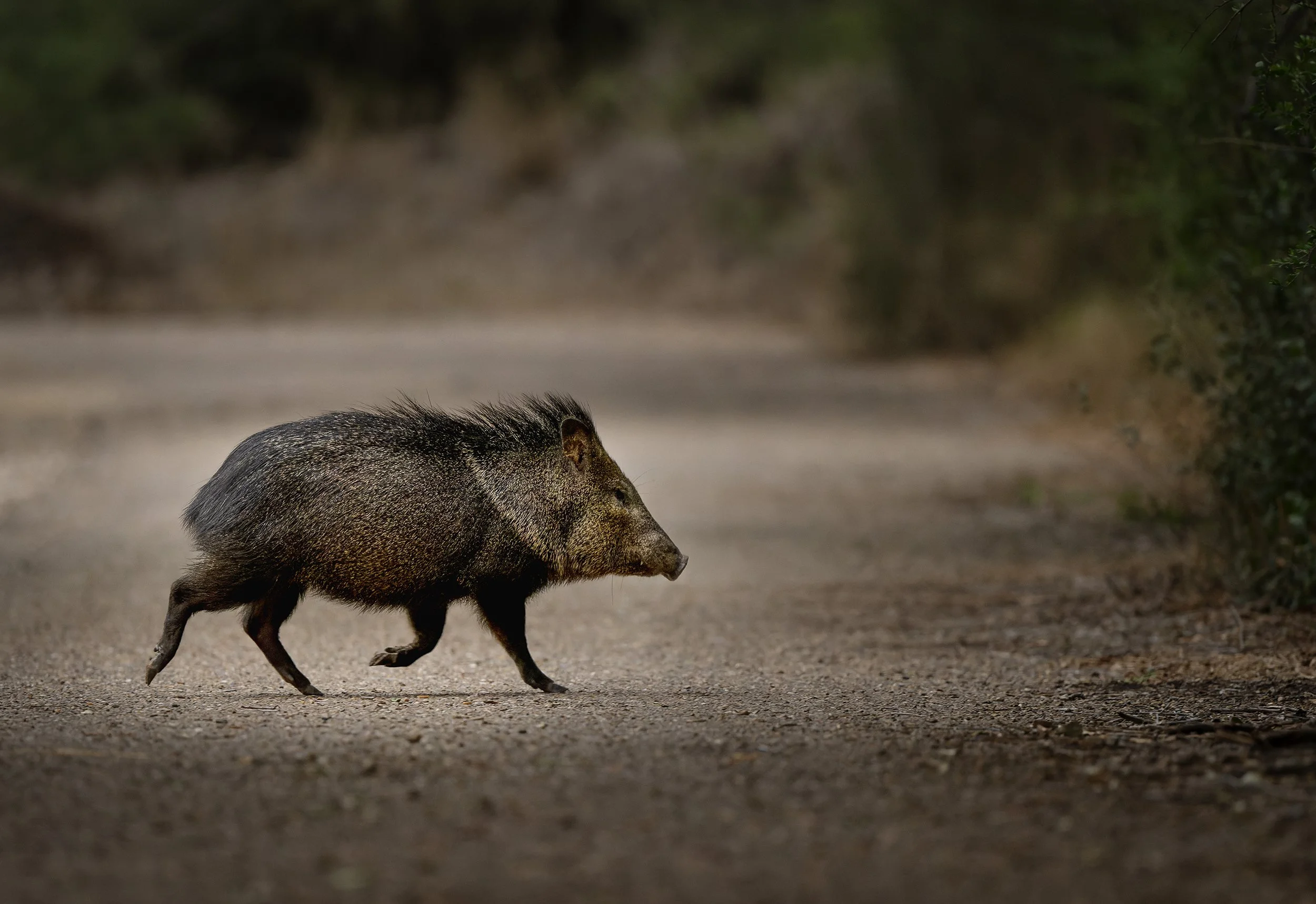
Javelina (Collared Peccary)
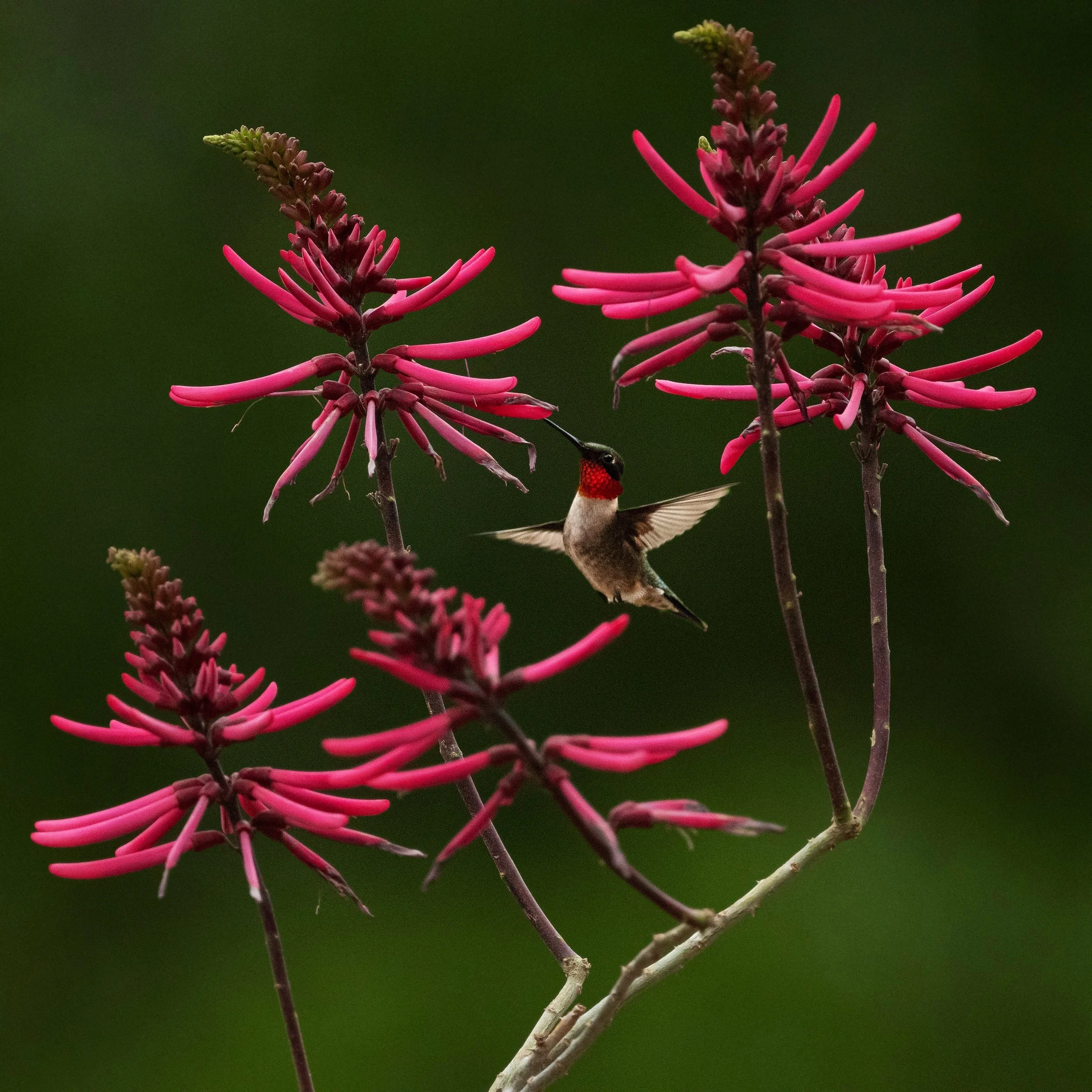
Ruby-throated Hummingbird (male)
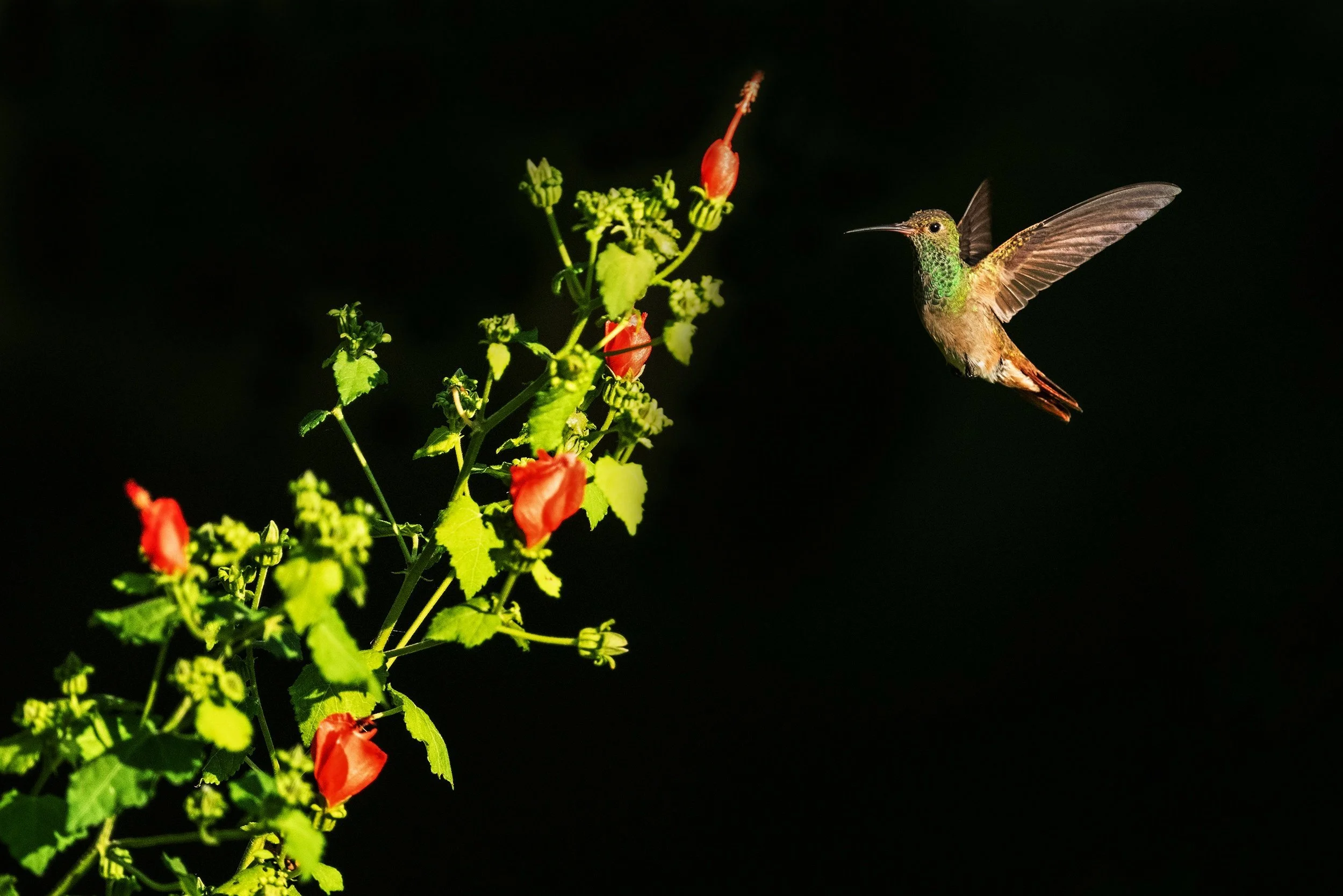
Buff-bellied Hummingbird
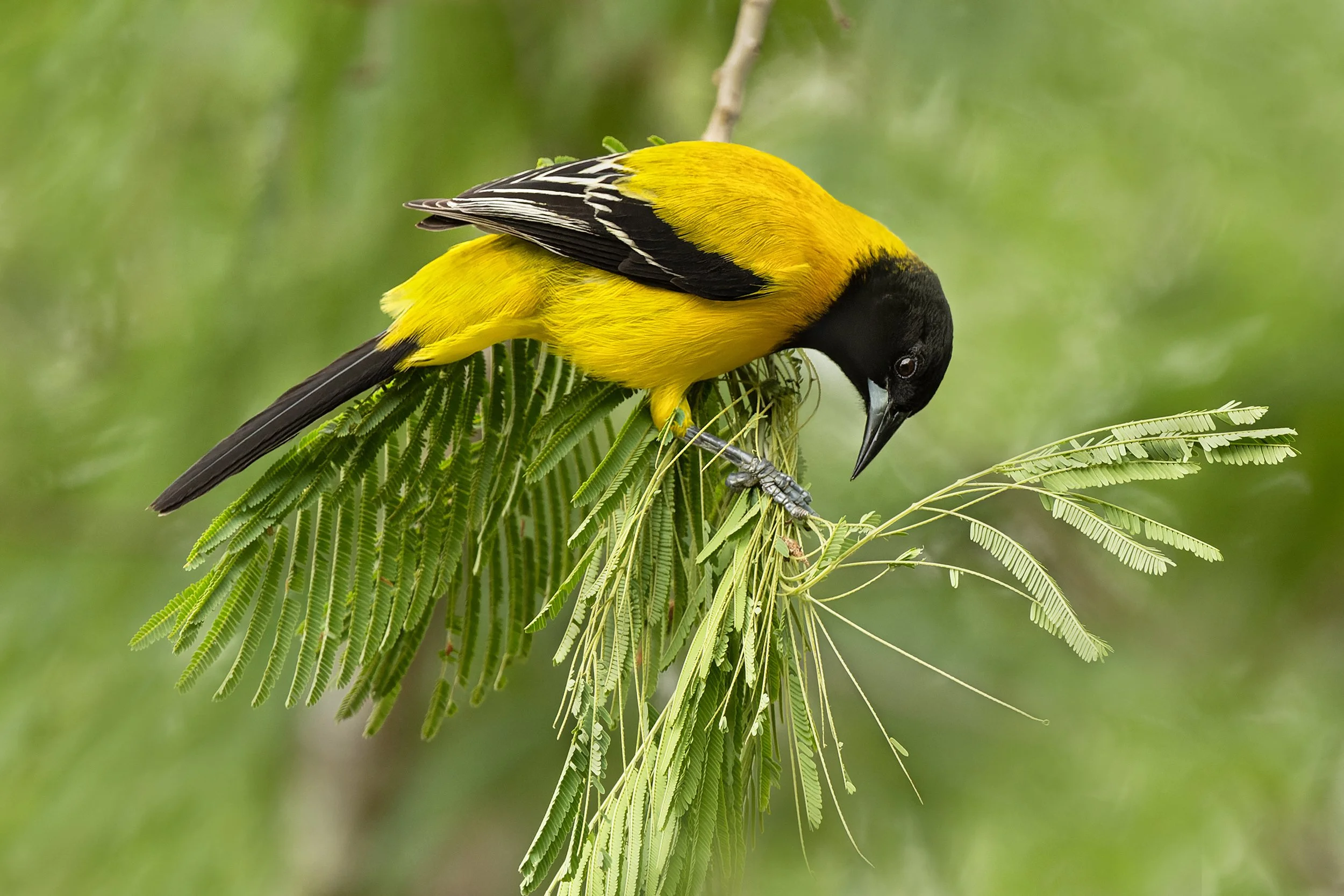
Audubon's Oriole (male)
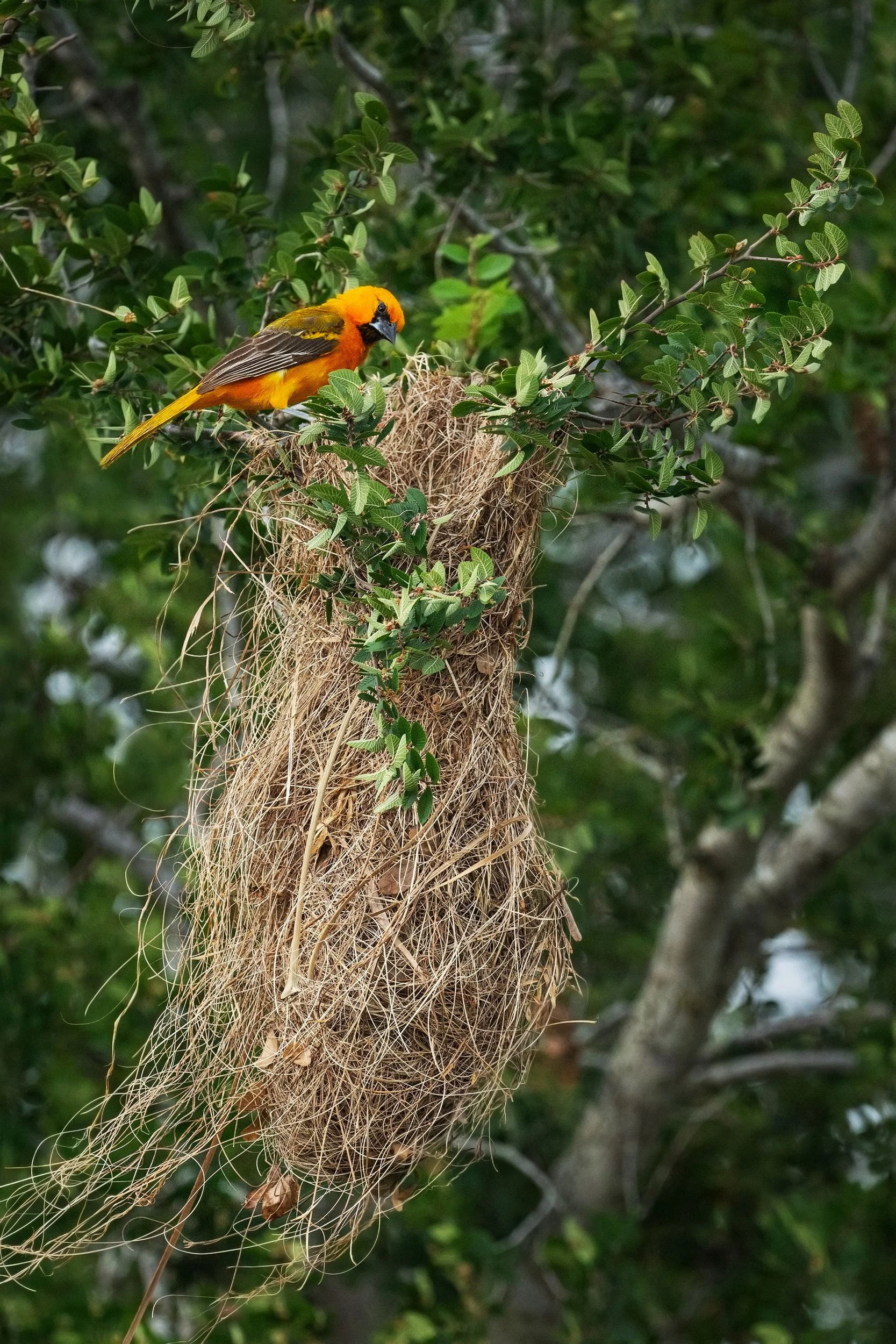
Altamira Oriole
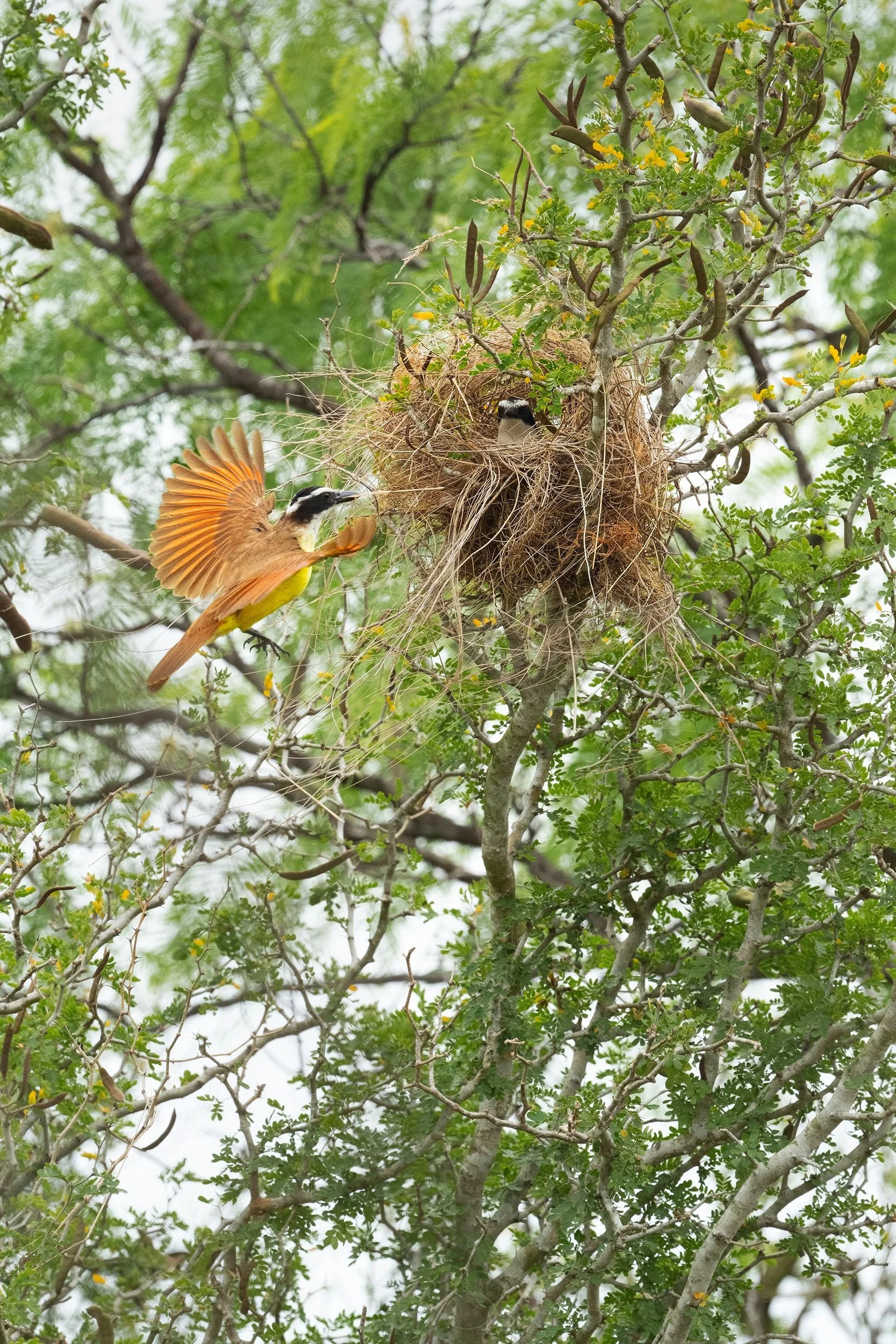
Great Kiskadee
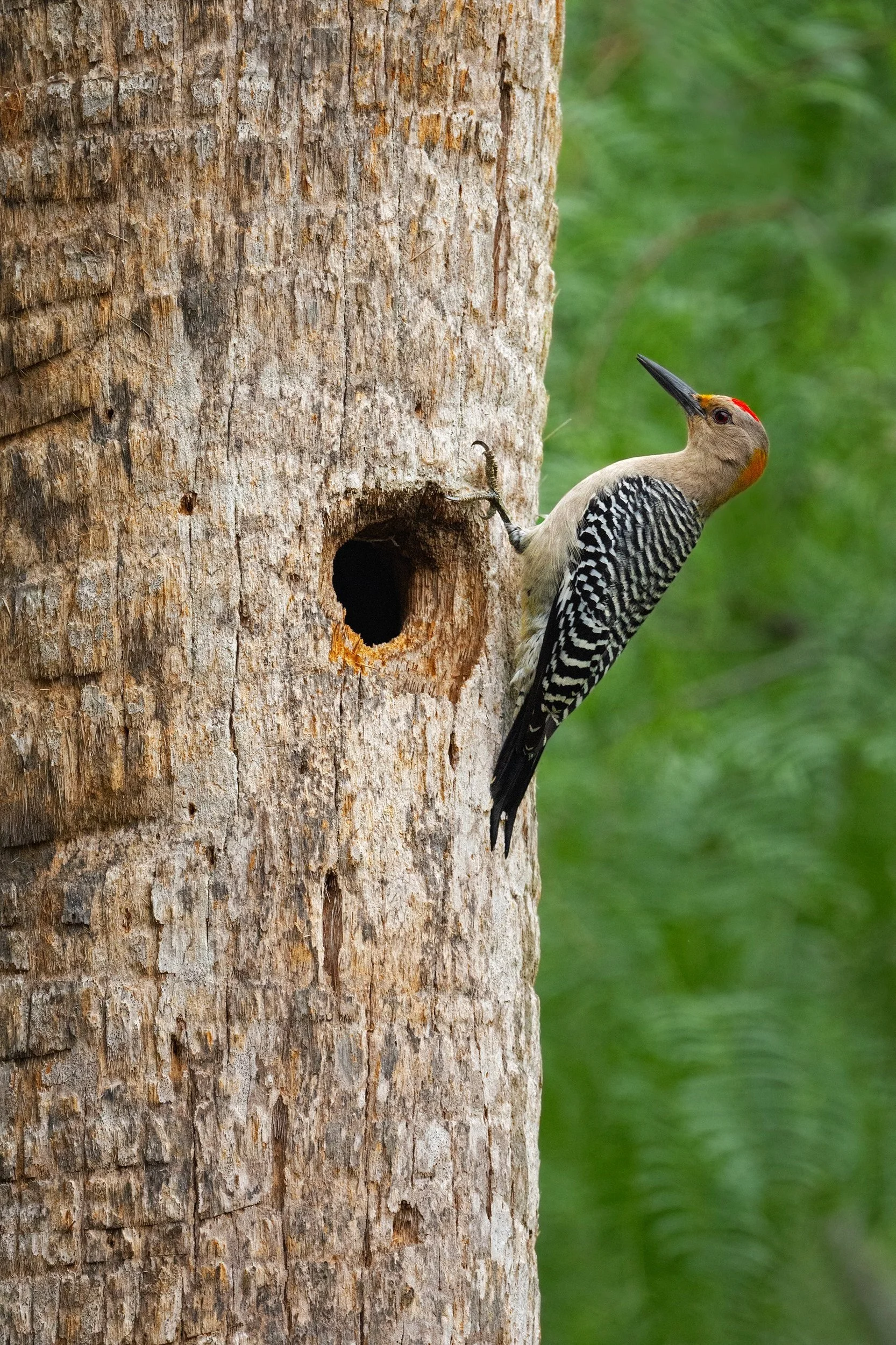
Golden-fronted Woodpecker (male)
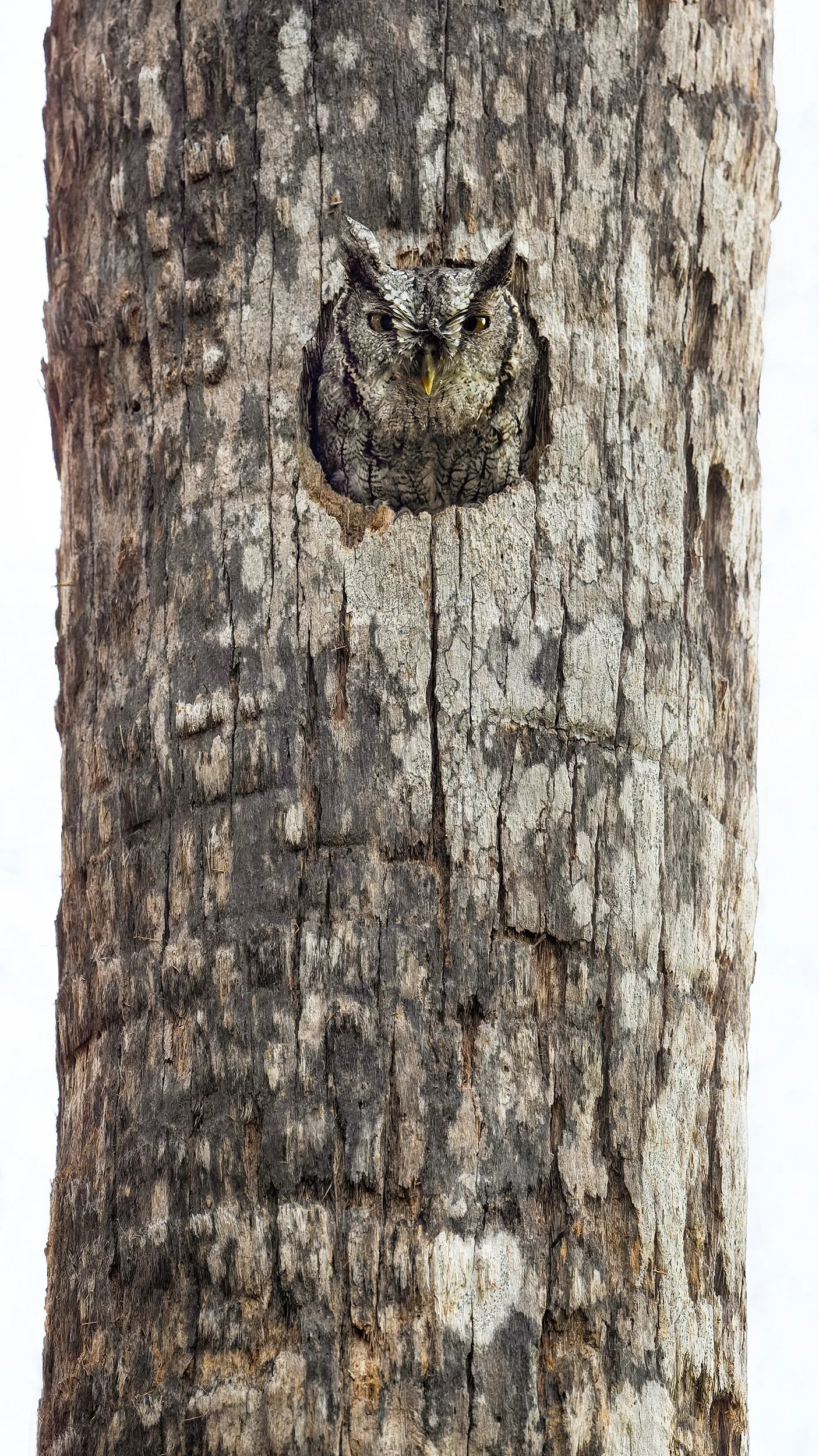
Eastern Screech-Owl (McCall's subspecies)
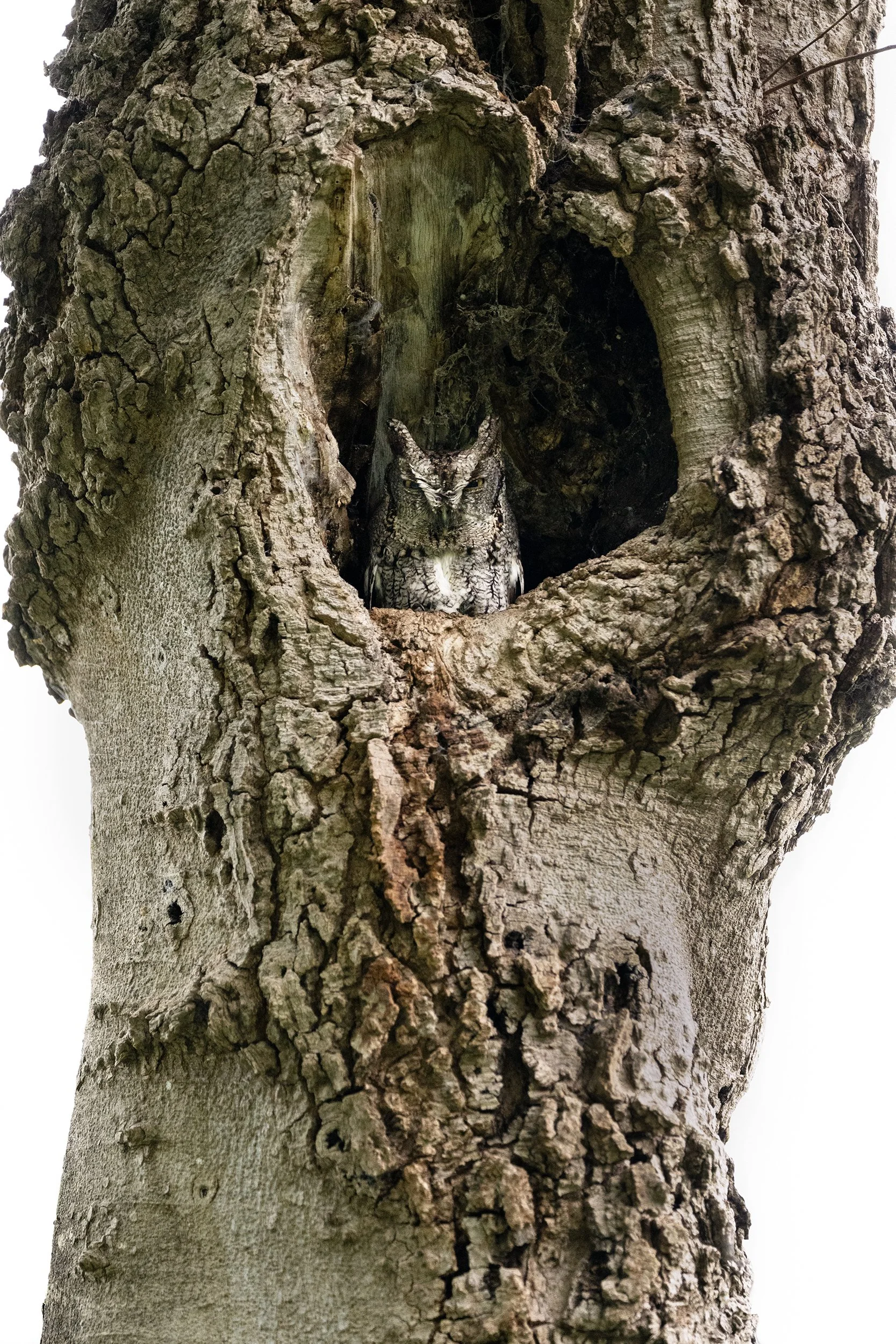
Eastern Screech-Owl (McCall's subspecies)
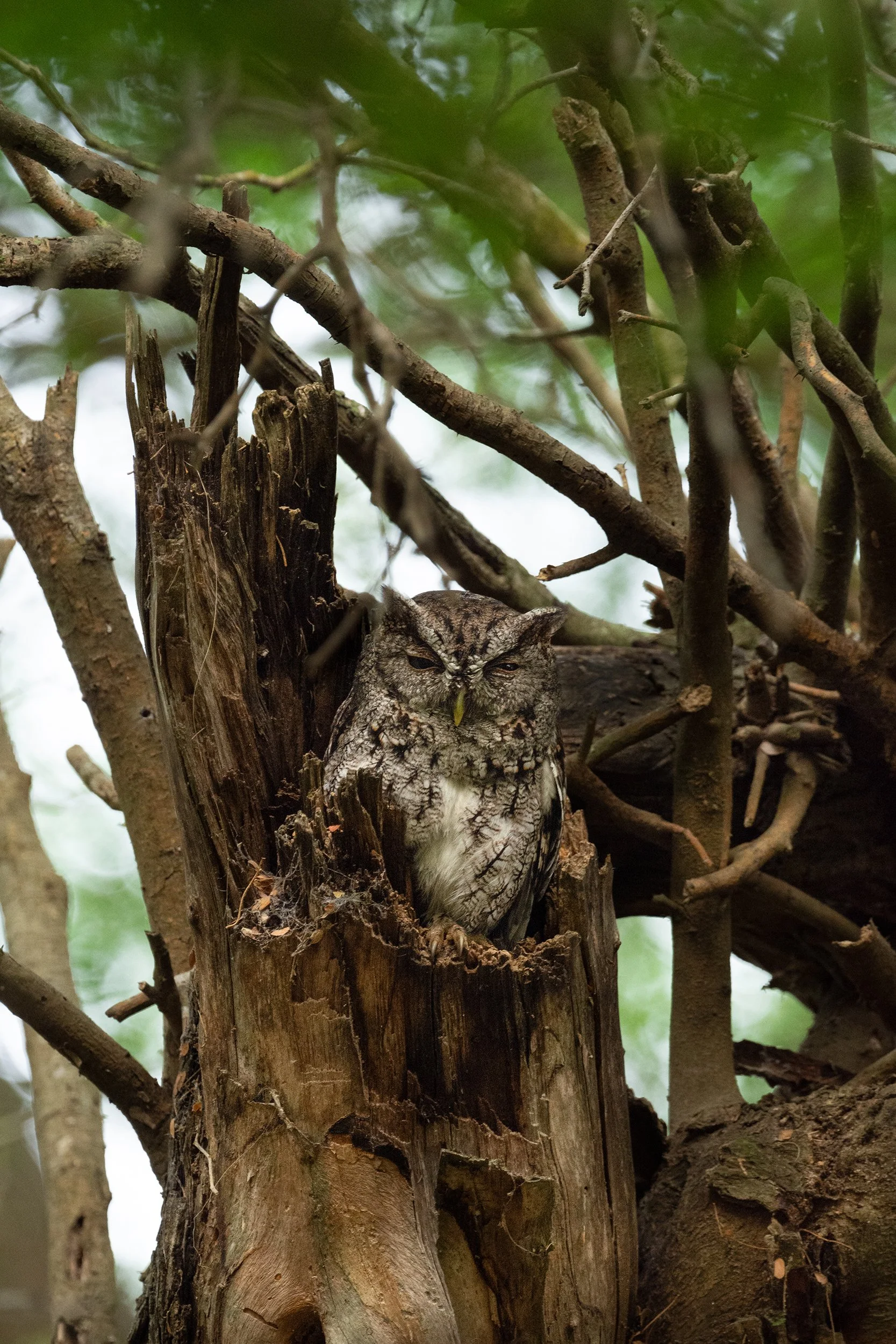
Eastern Screech-Owl (McCall's subspecies)
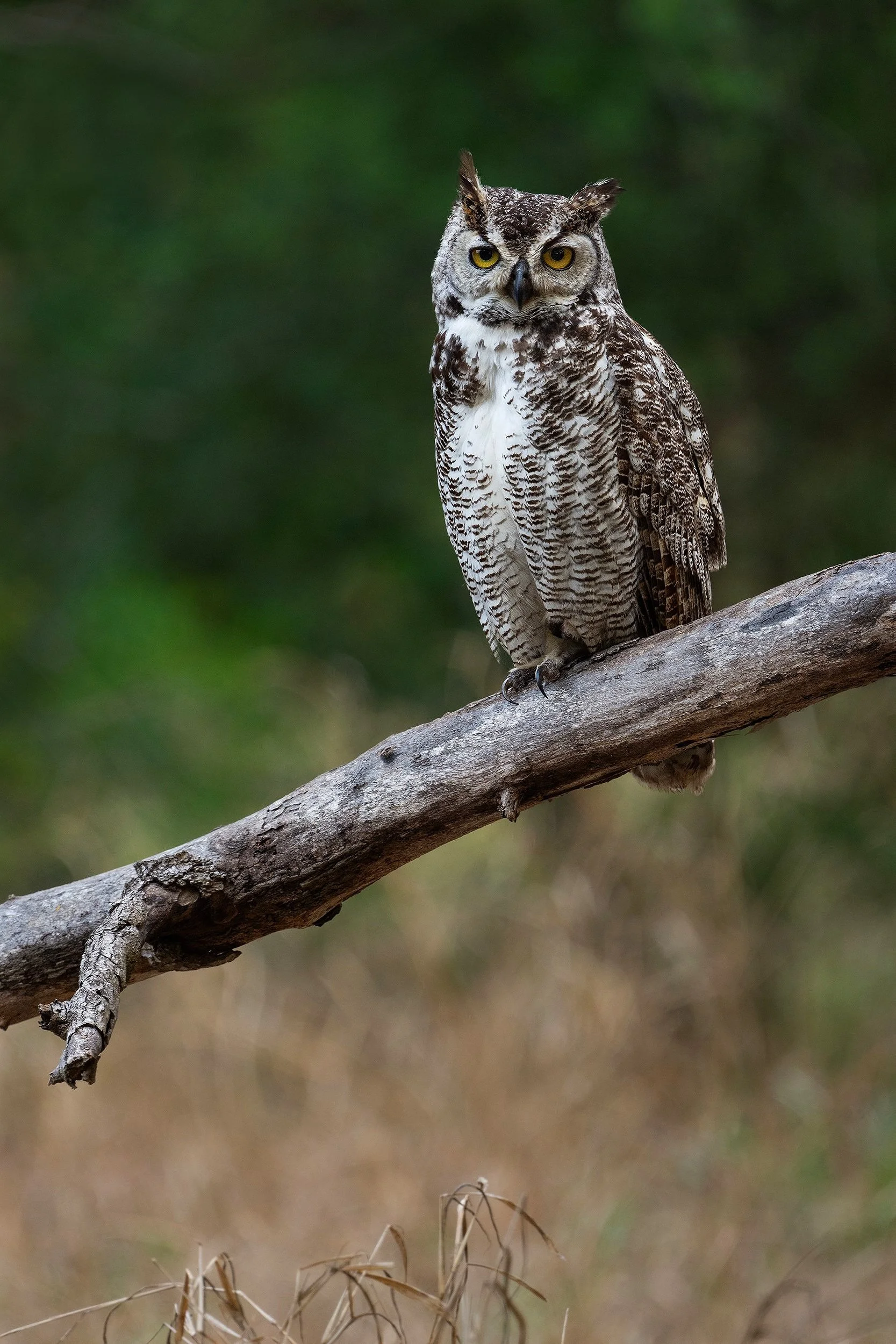
Great Horned Owl
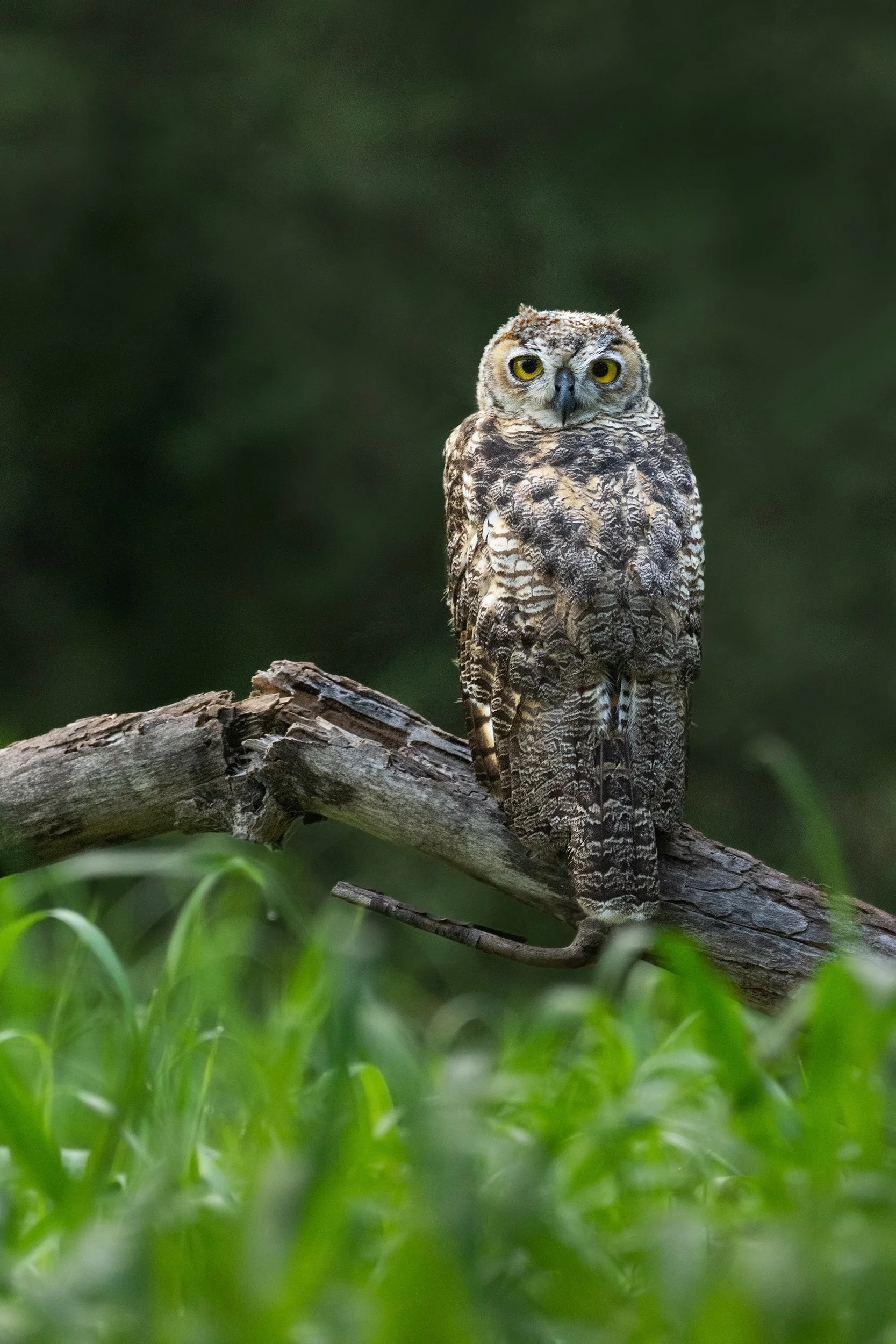
Great Horned Owl (juvenile)
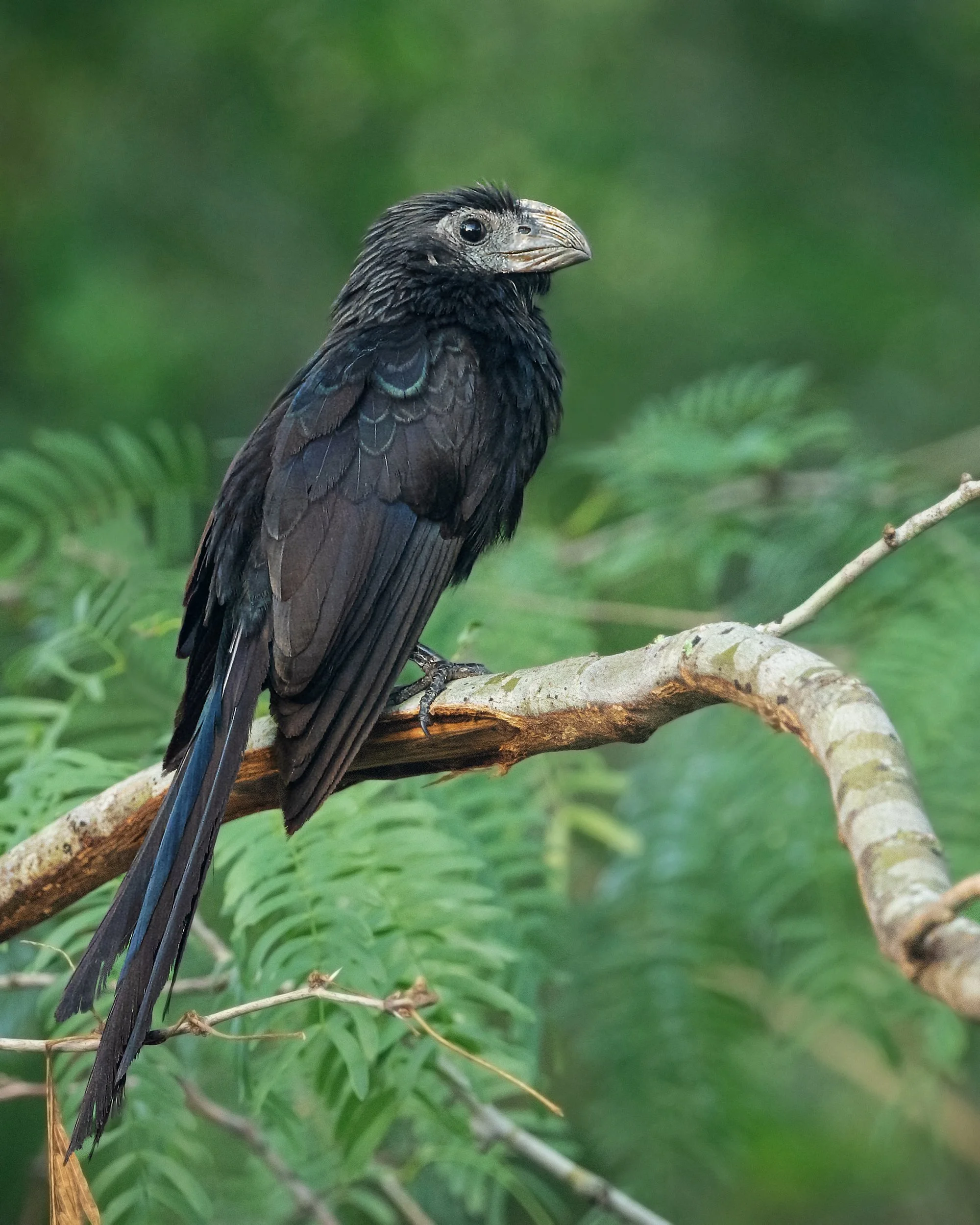
Groove-billed Ani
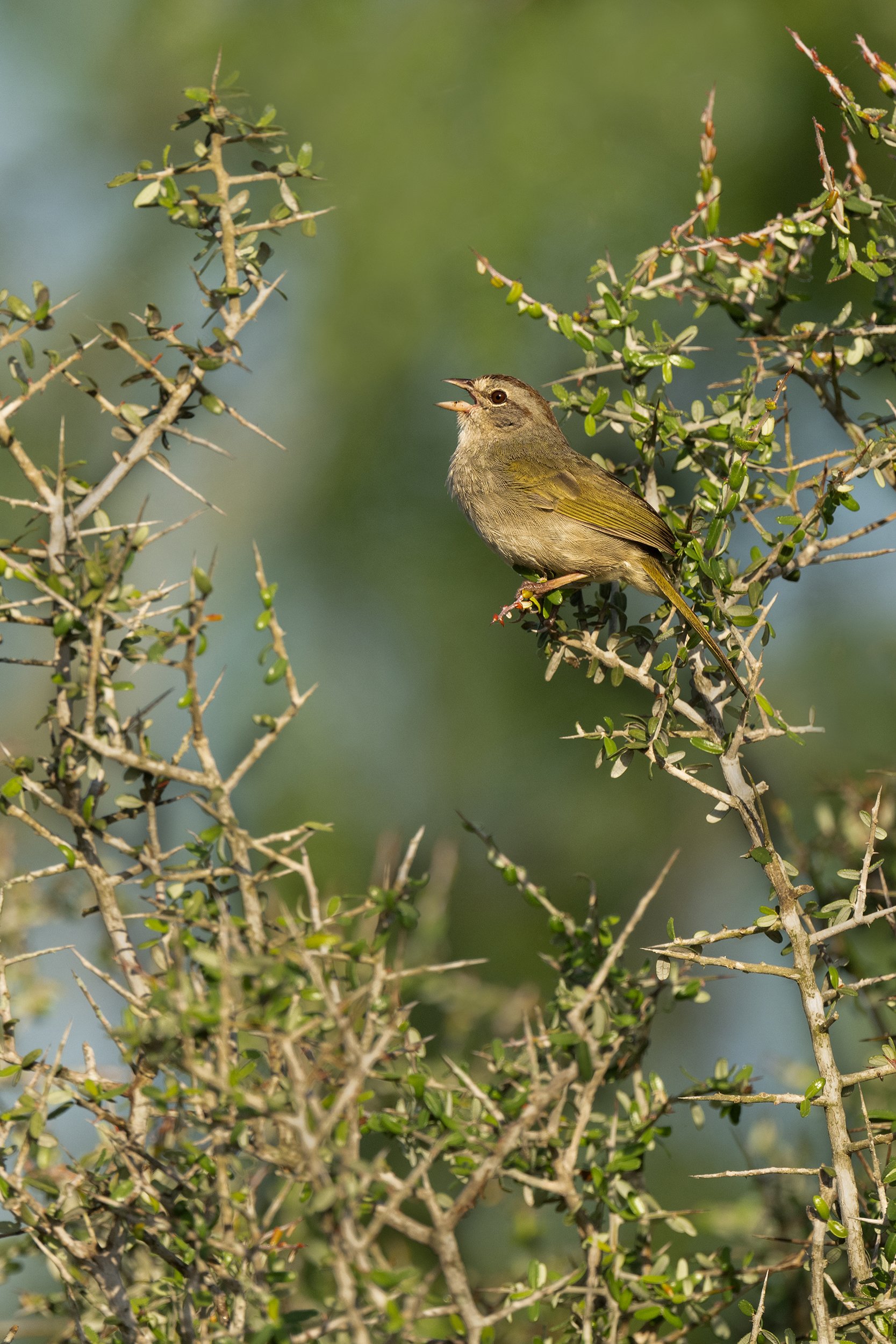
Olive Sparrow
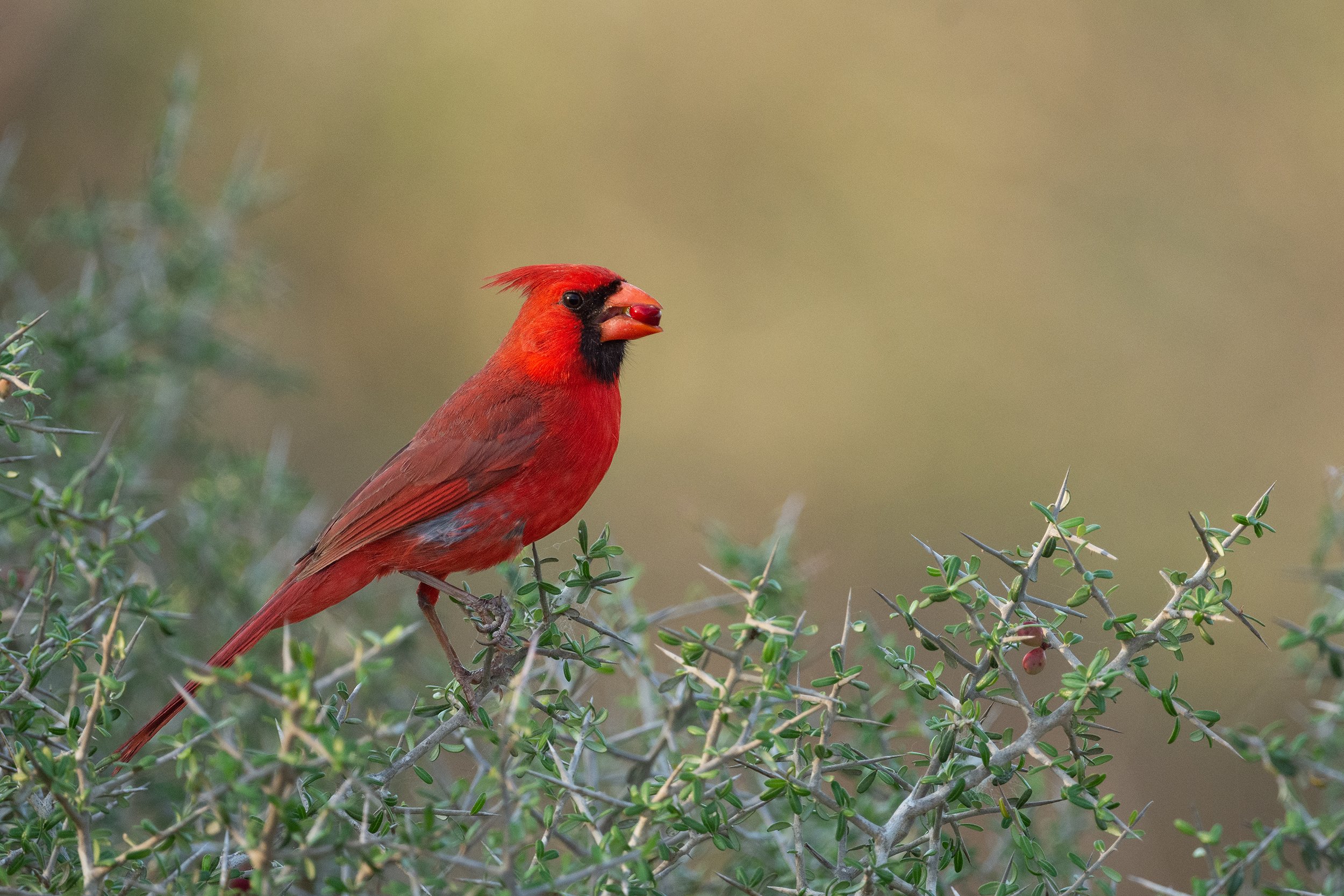
Northern Cardinal
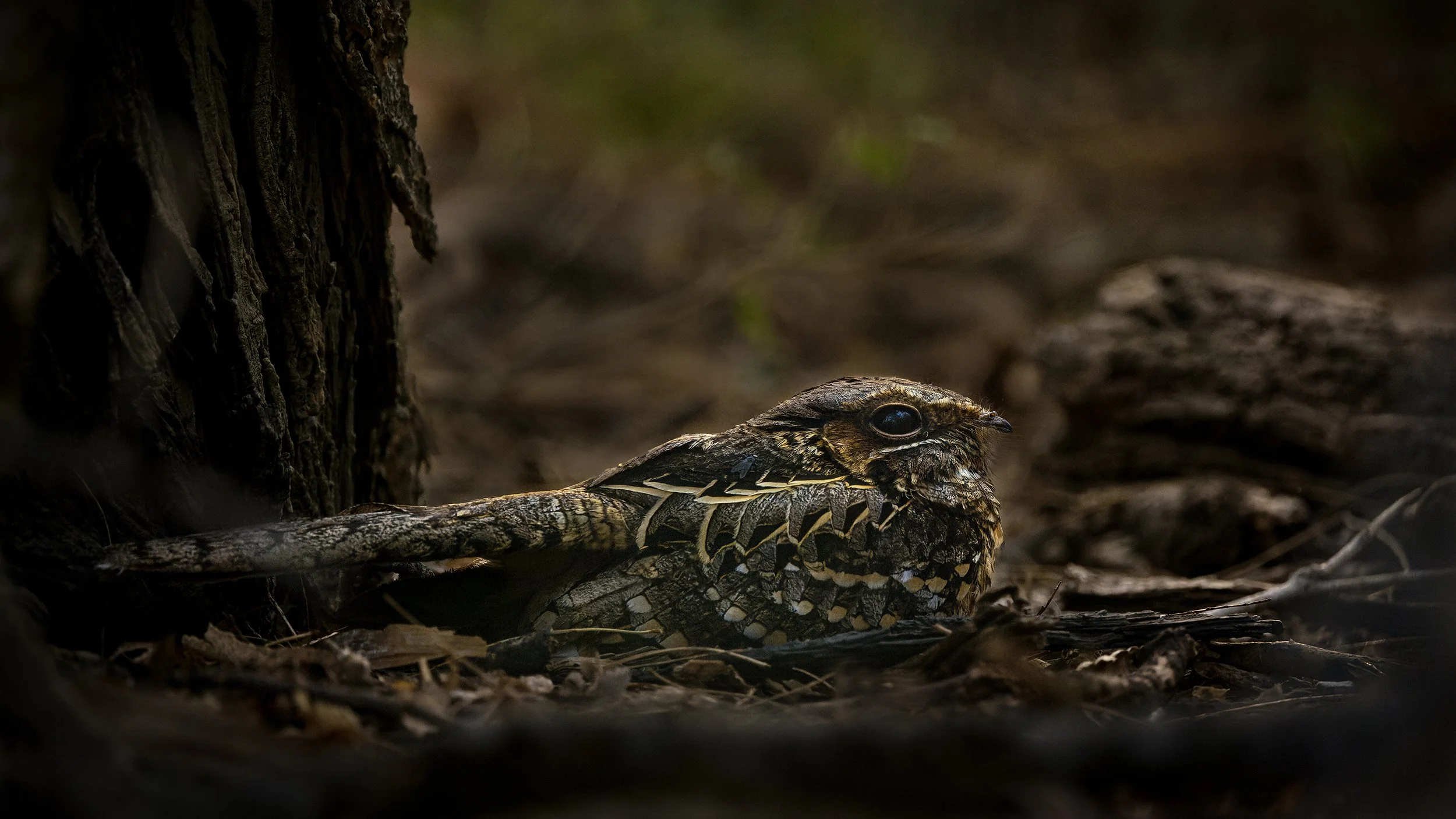
Common Pauraque
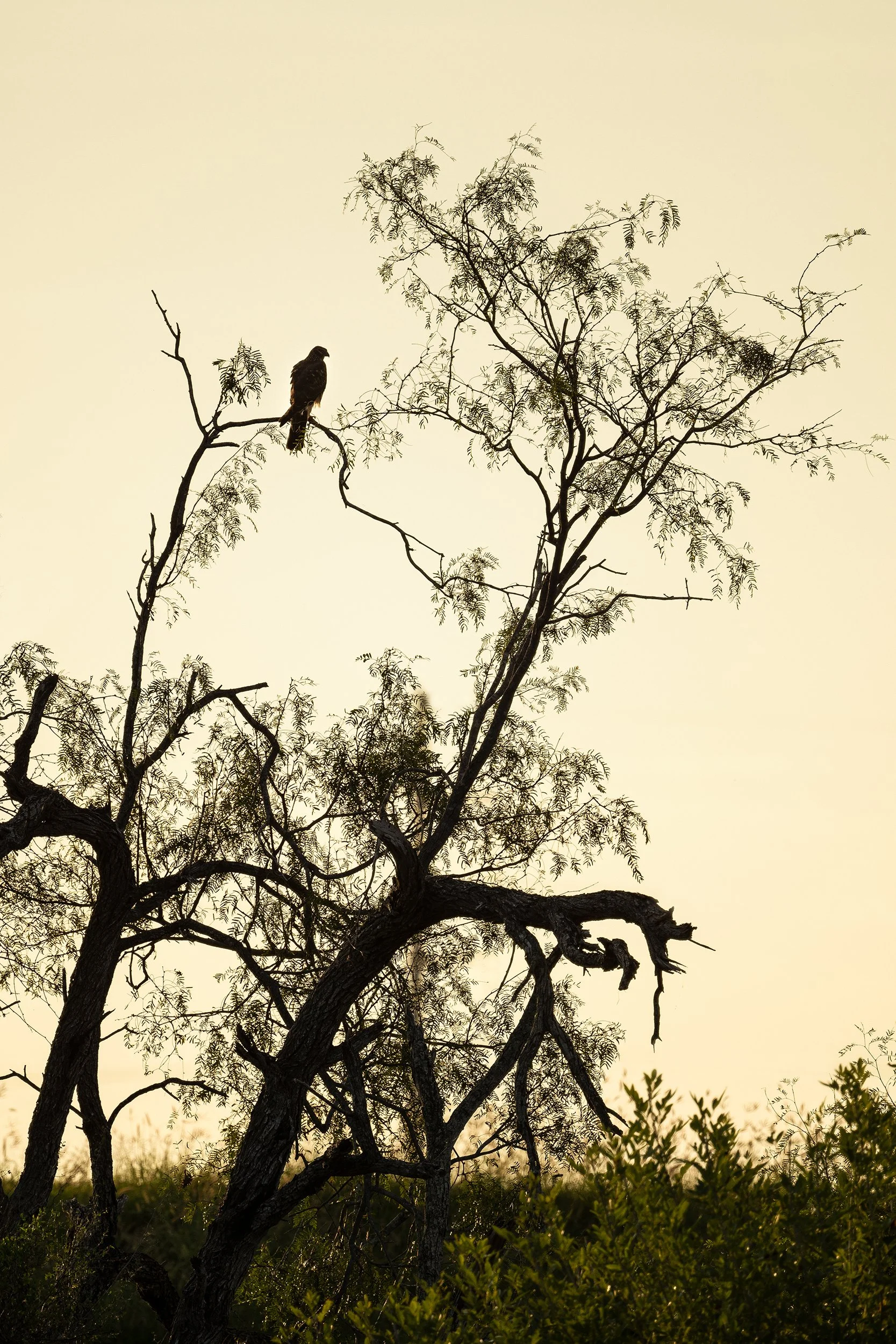
Gray Hawk (juvenile)
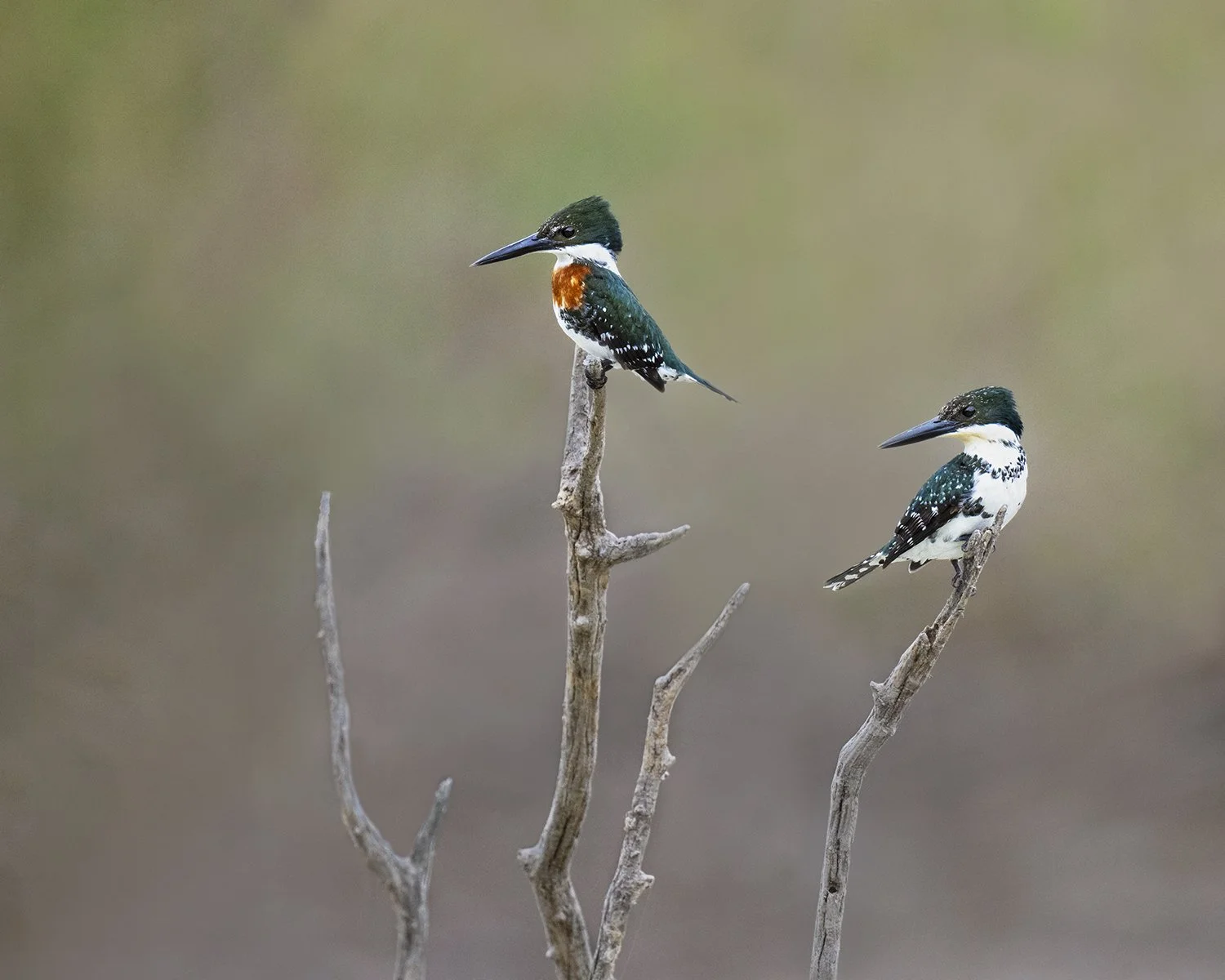
Green Kingfisher (male, left, and female)
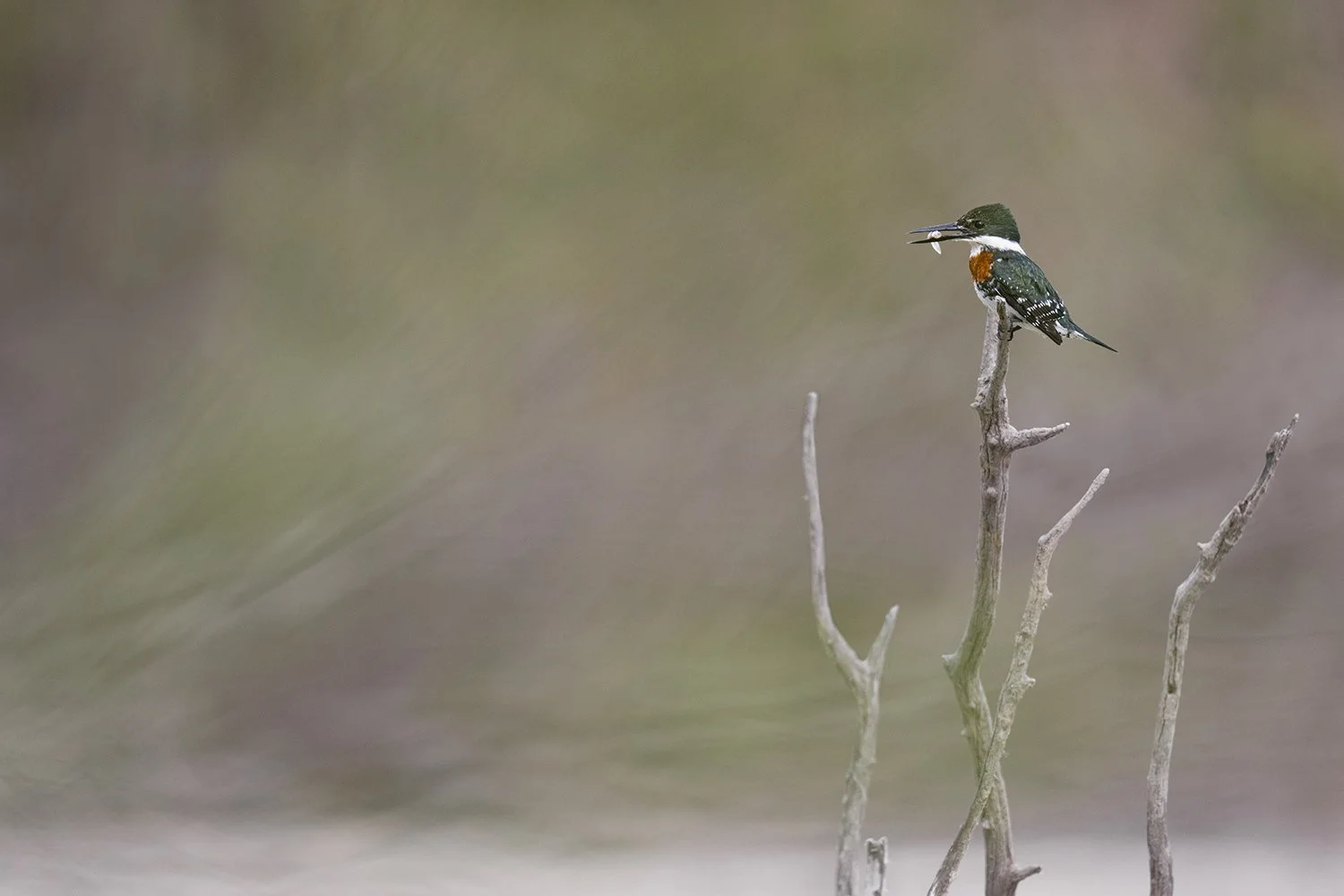
Green Kingfisher (male)
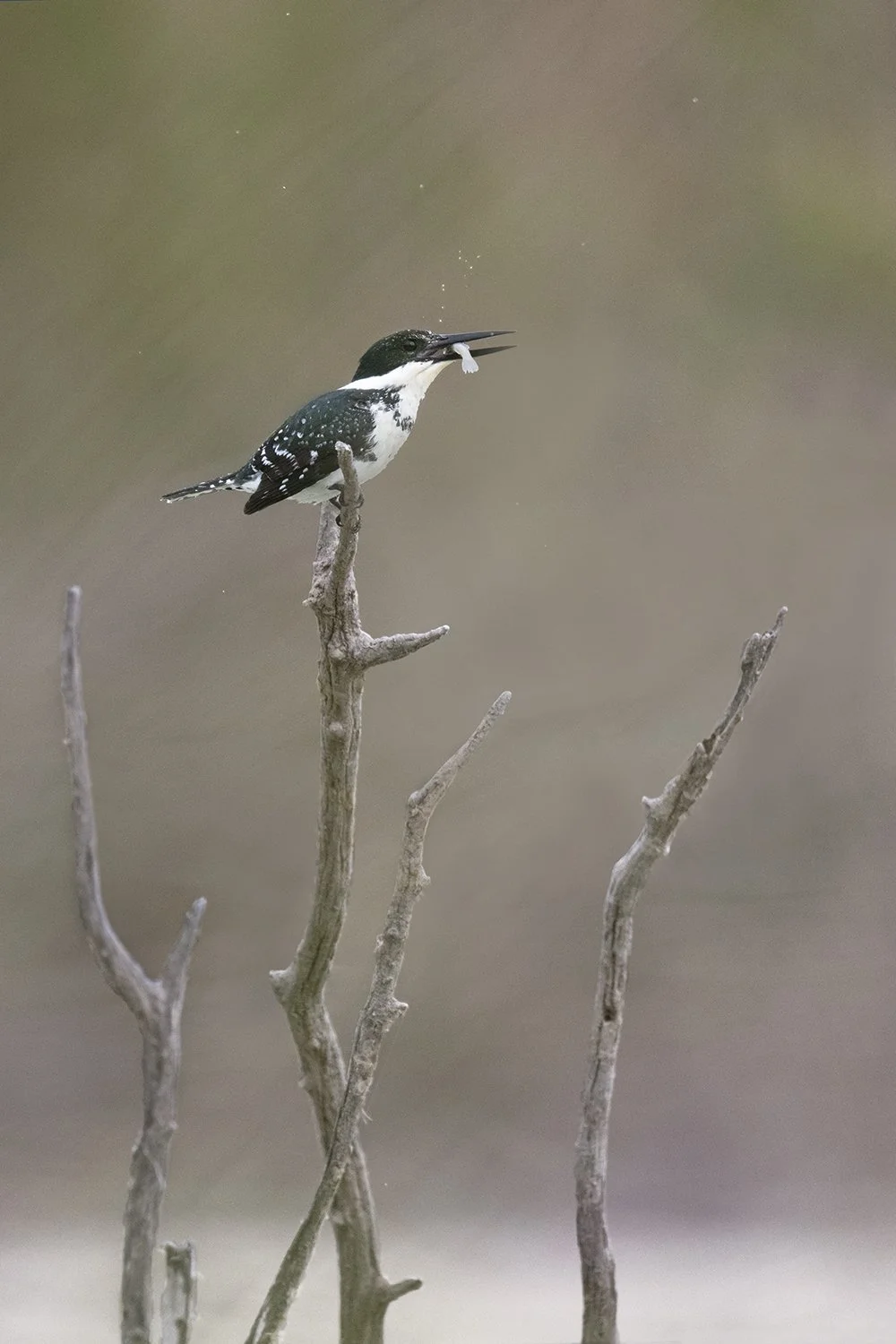
Green Kingfisher (female)
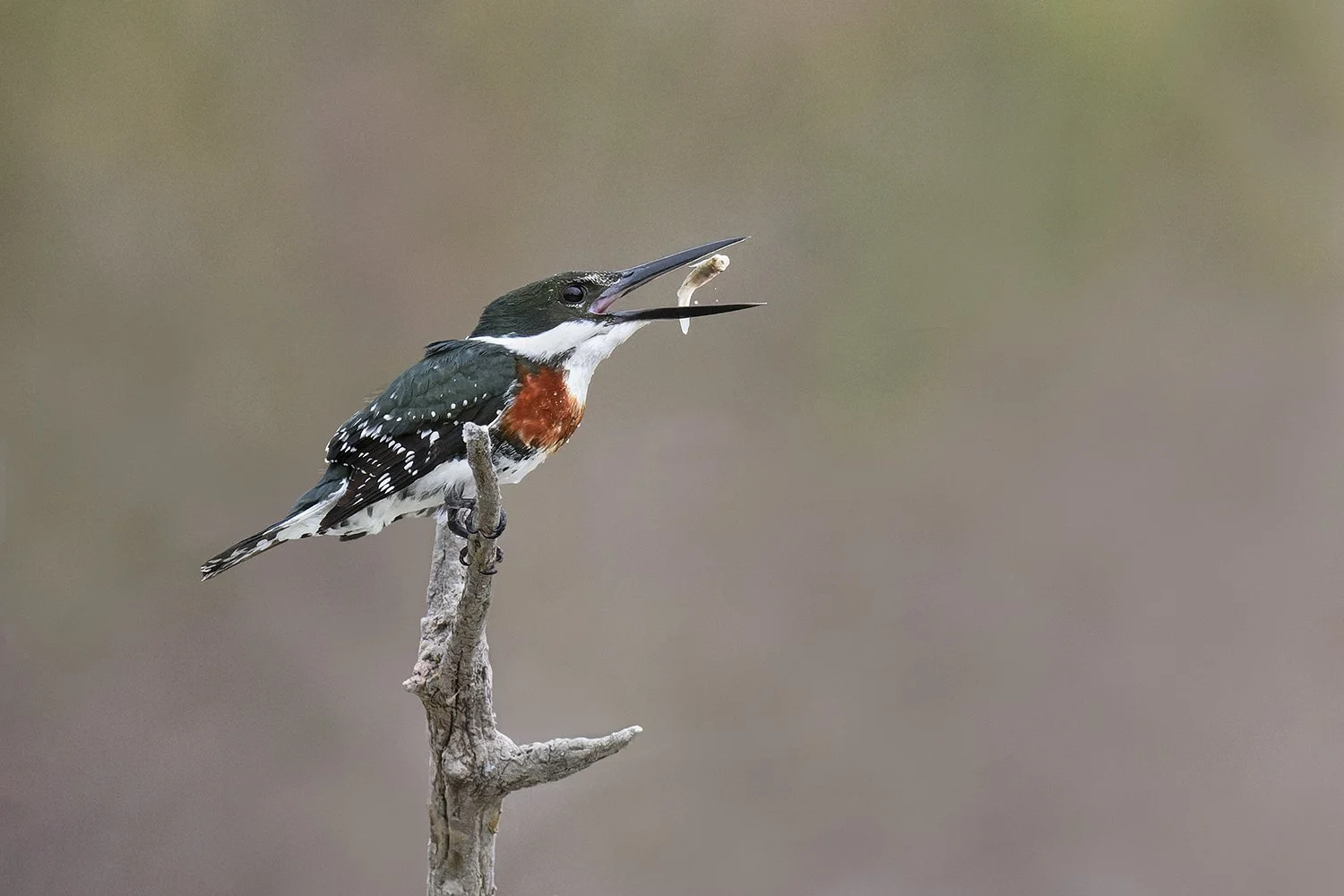
Green Kingfisher (male)
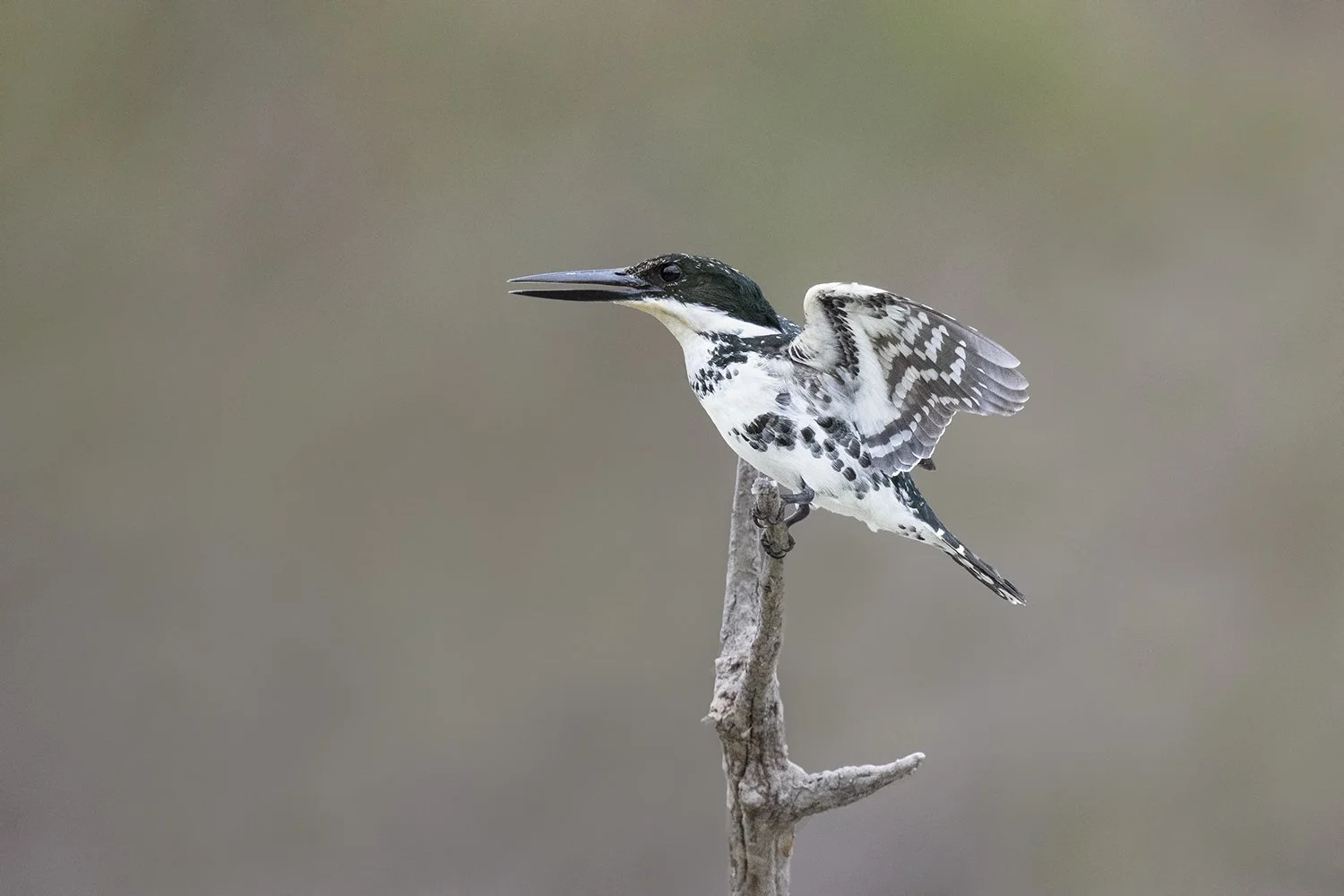
Green Kingfisher (female)
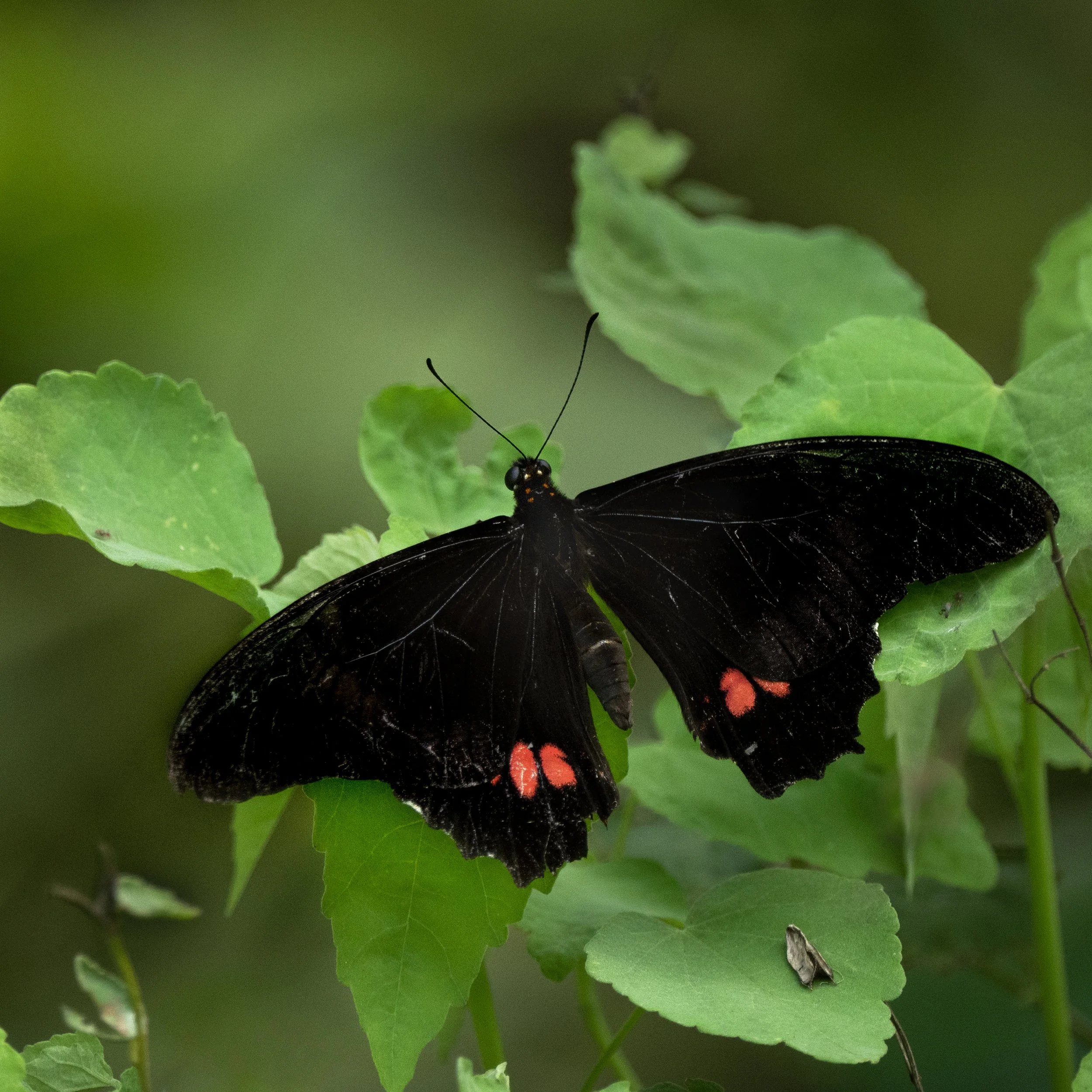
Ruby-spotted Swallowtail
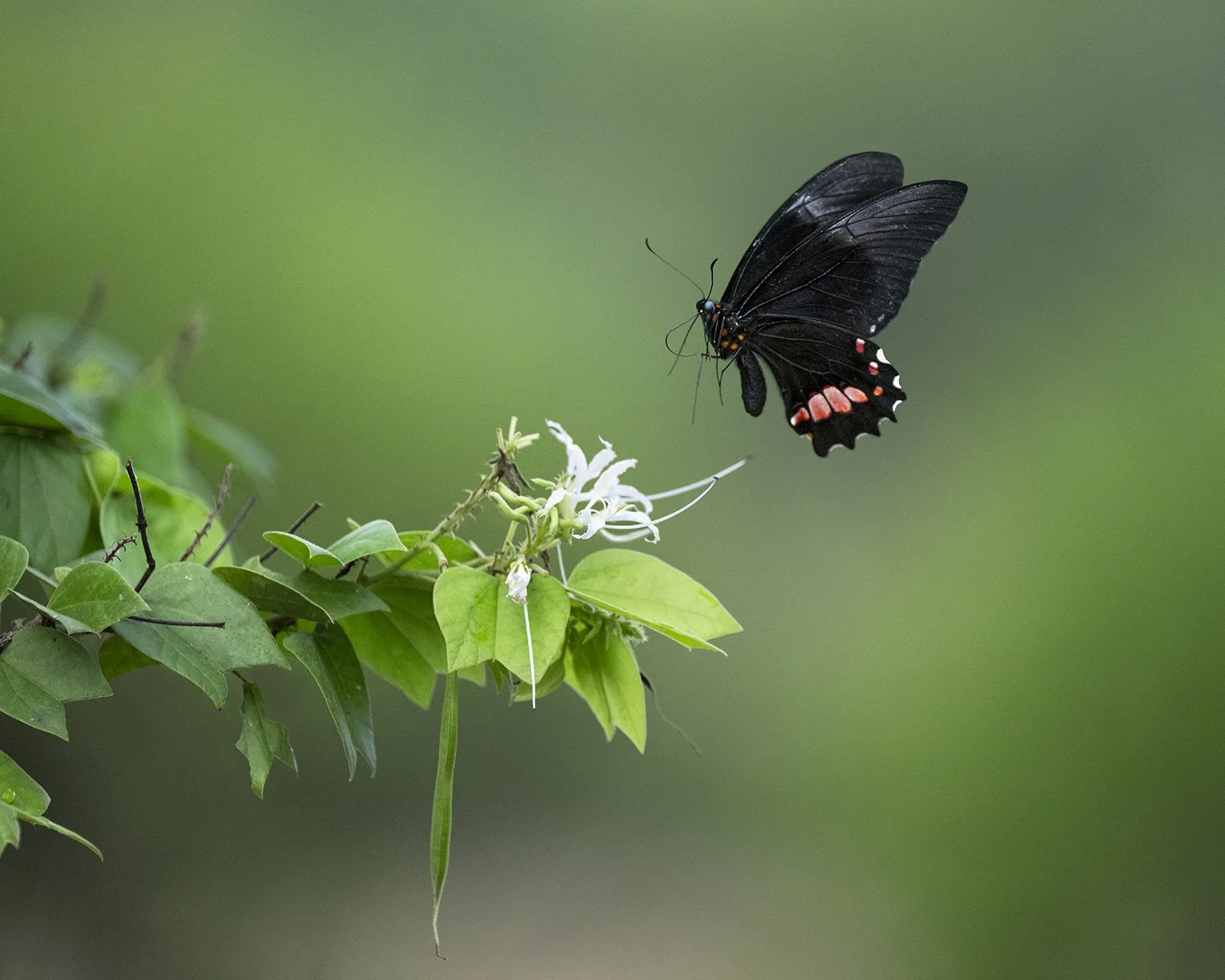
Ruby-spotted Swallowtail
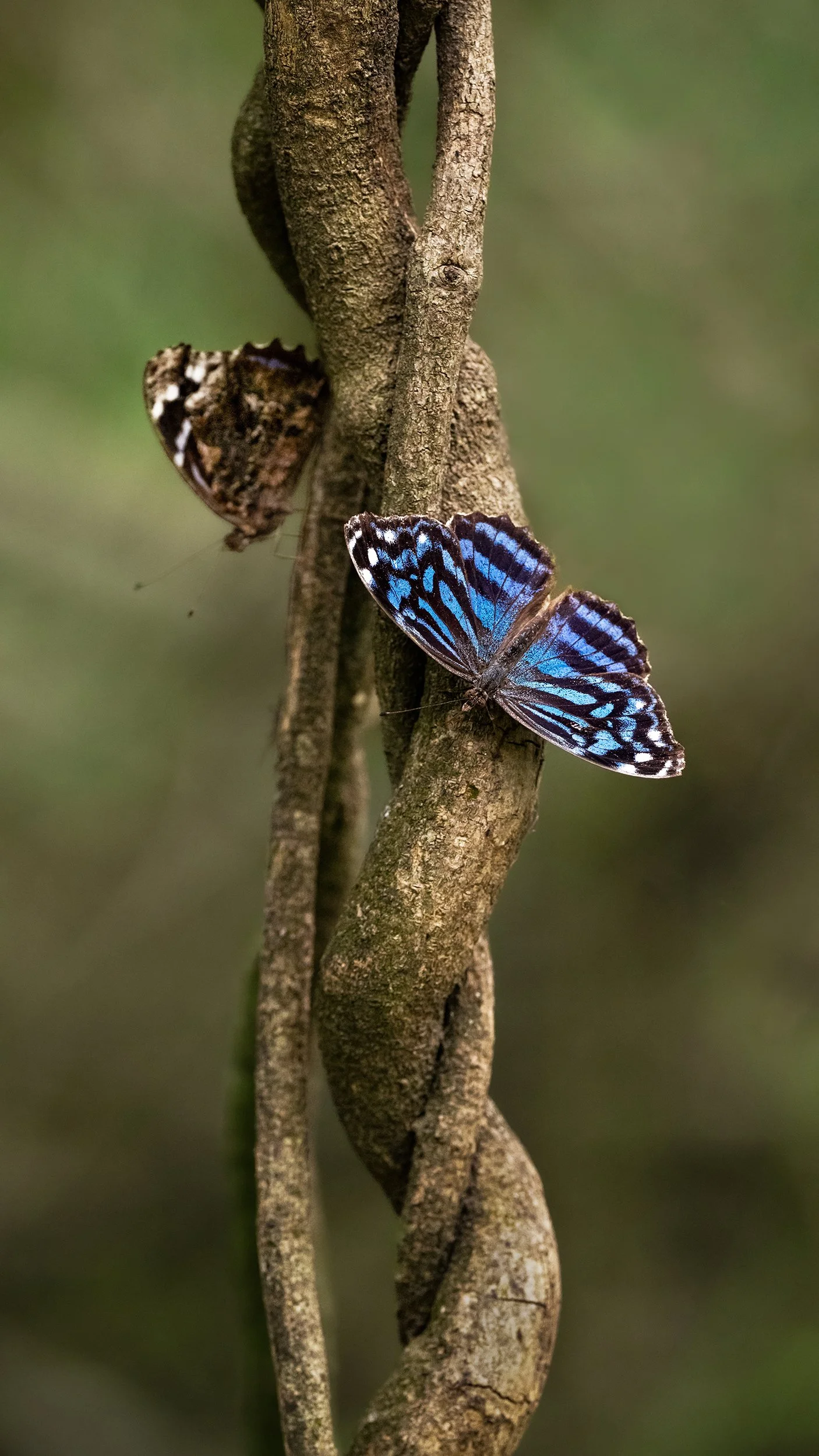
Mexican Bluewing (male with wings spread)
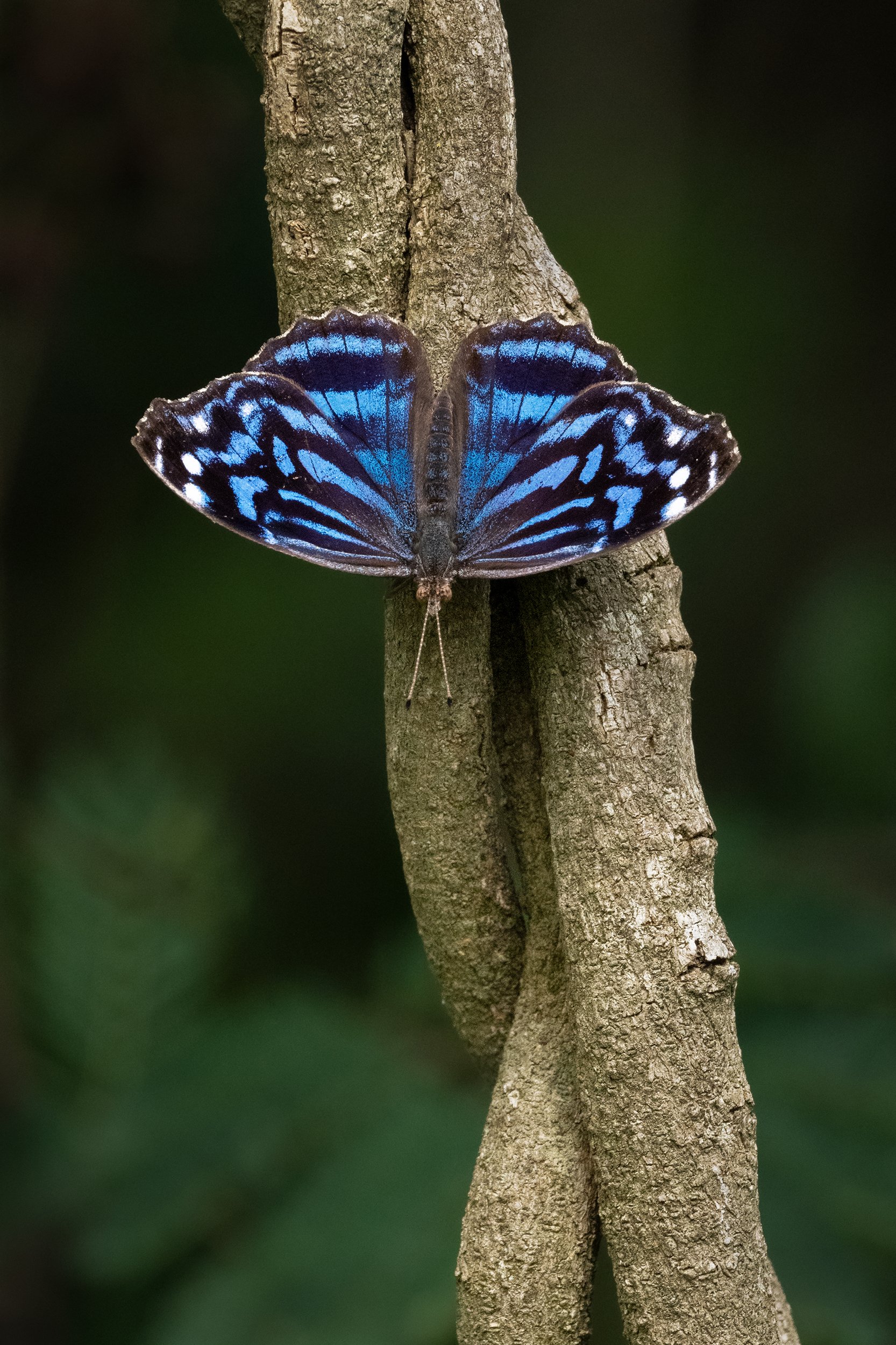
Mexican Bluewing (male)
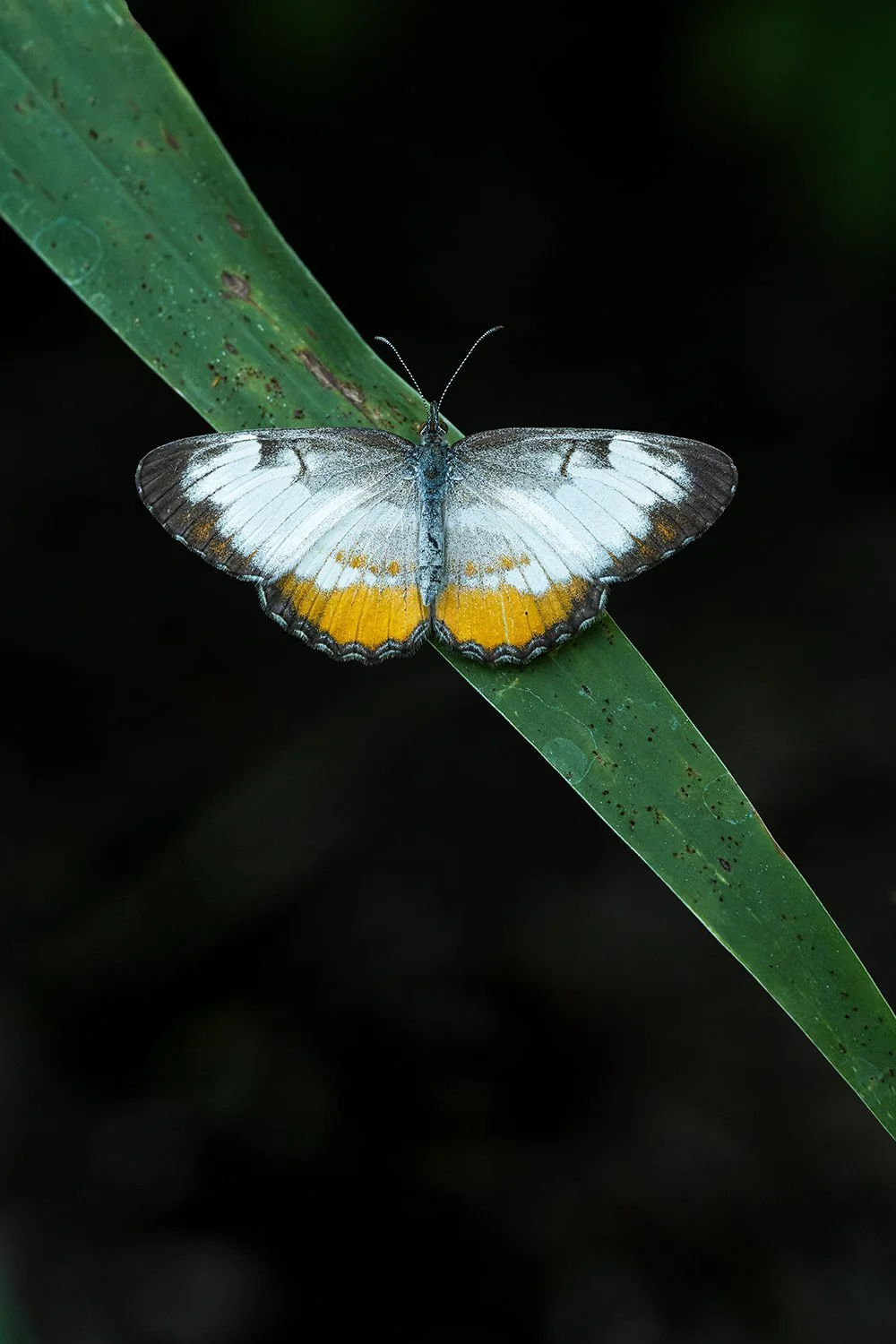
Common Mestra
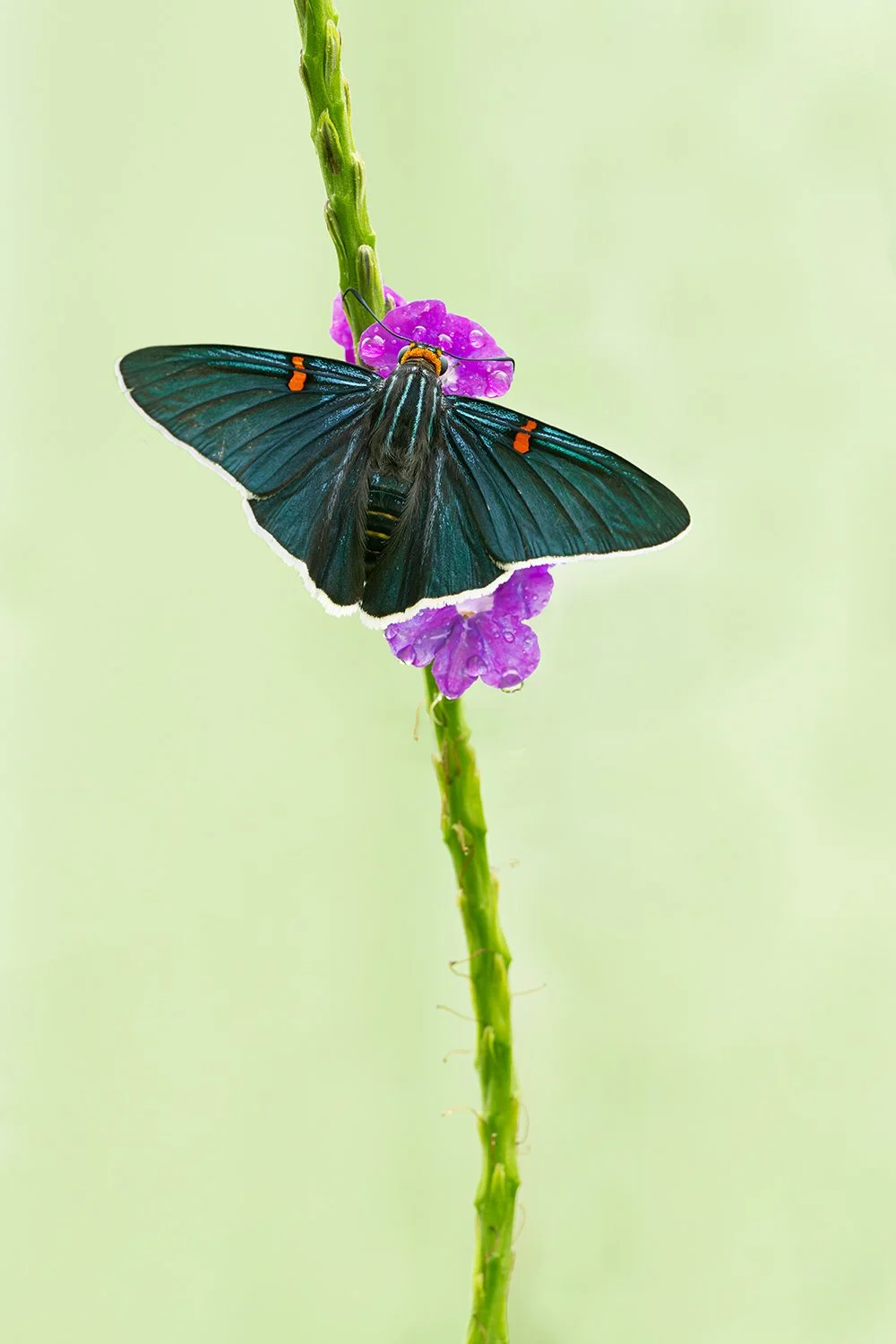
Guava Skipper
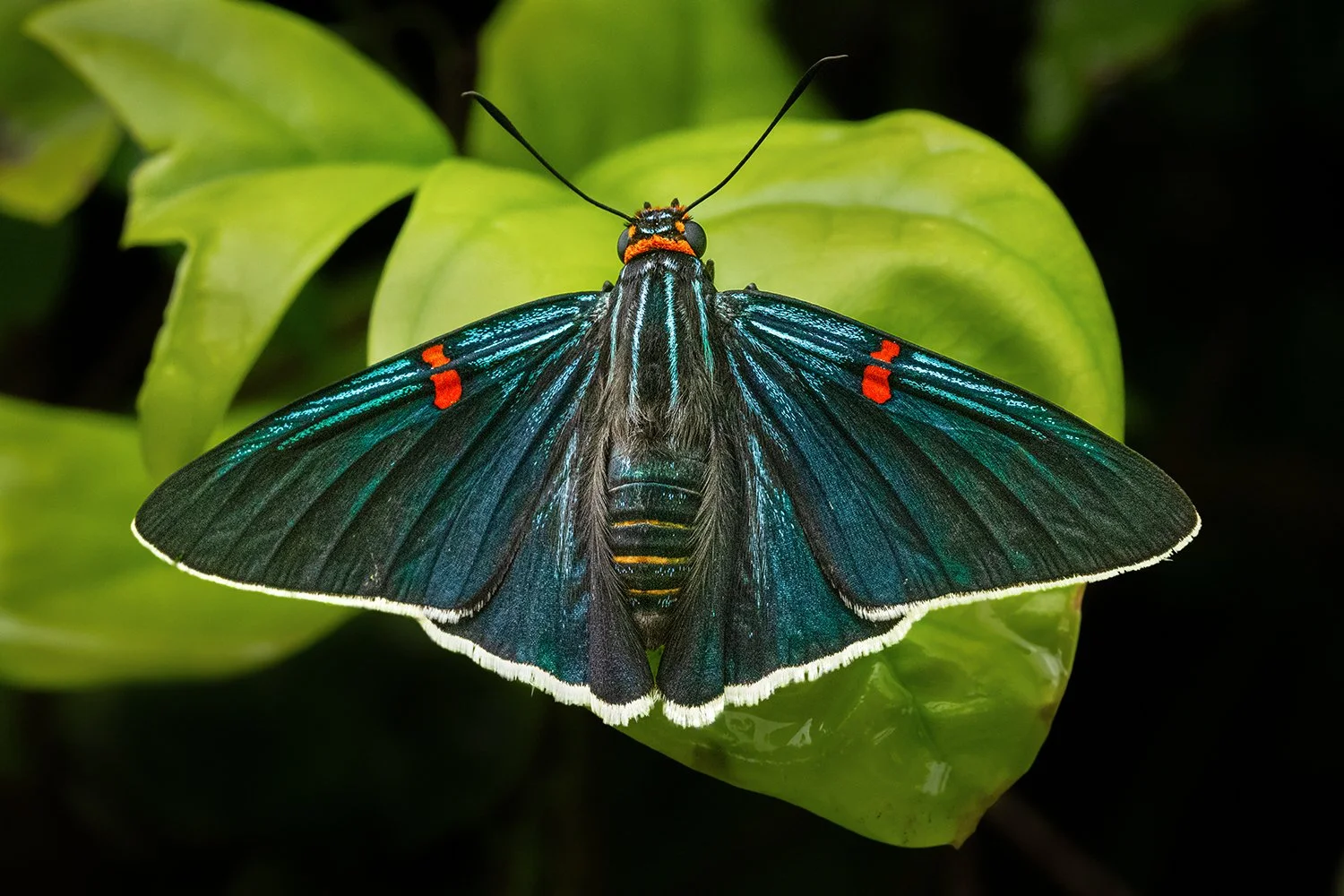
Guava Skipper
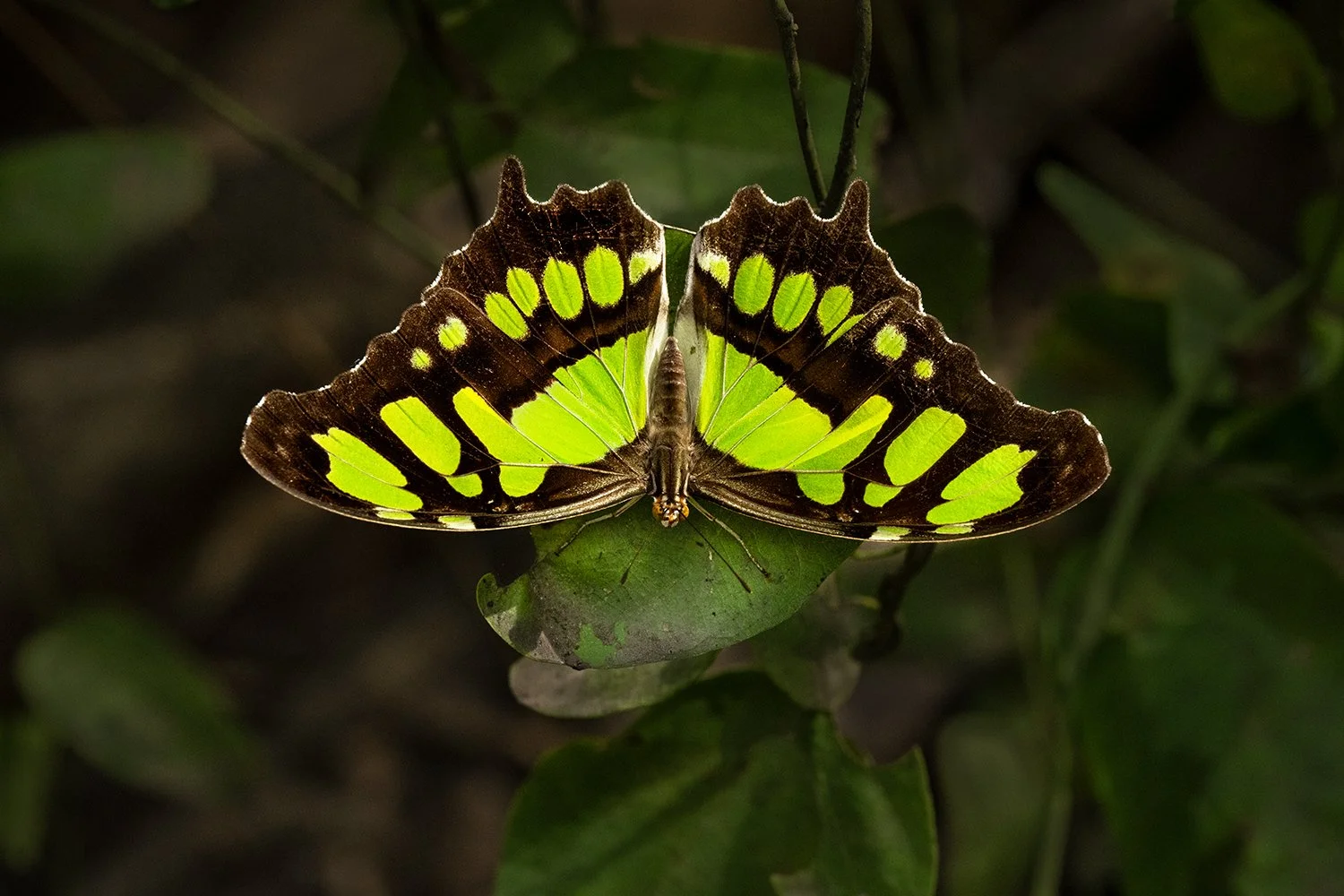
Malachite
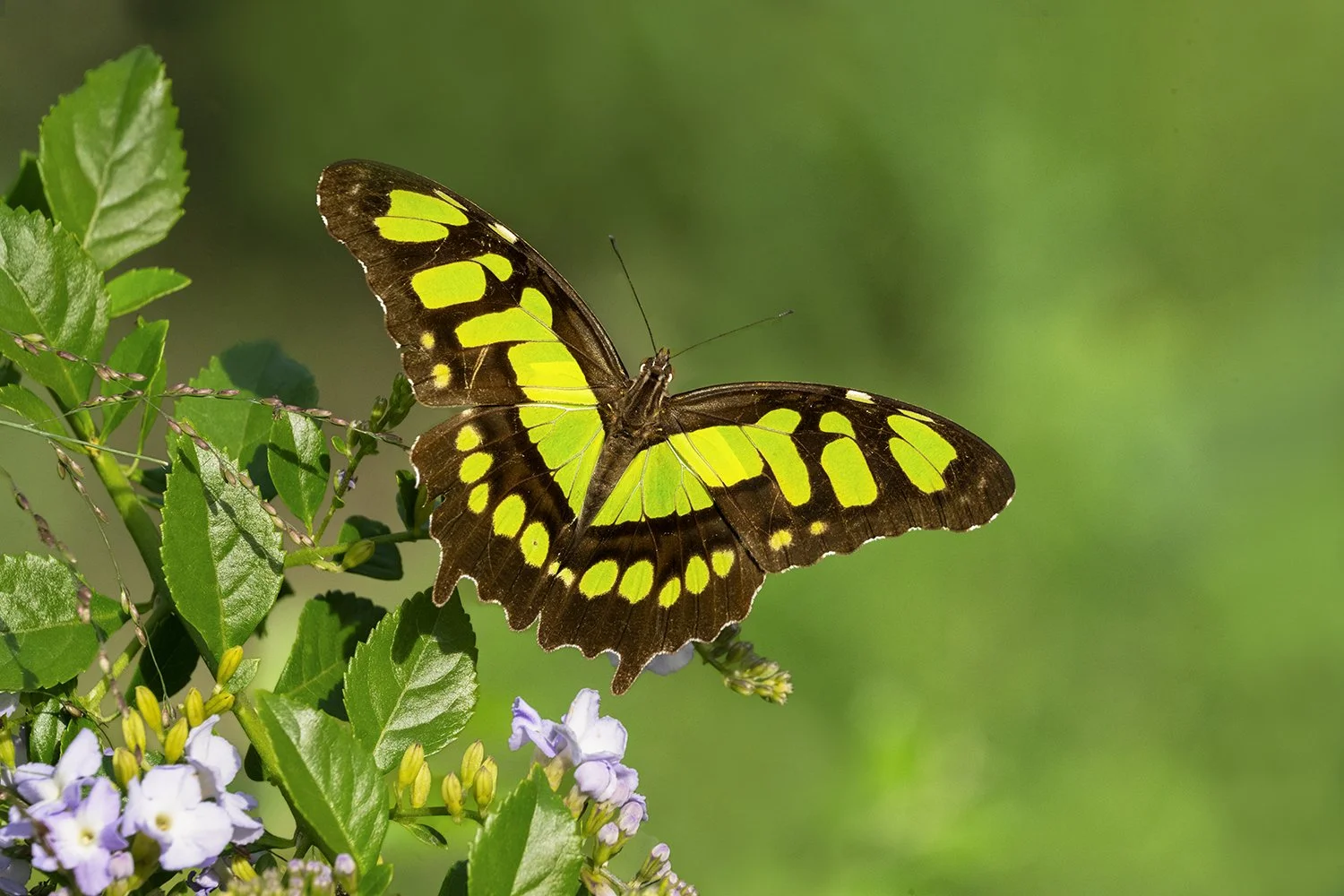
Malachite
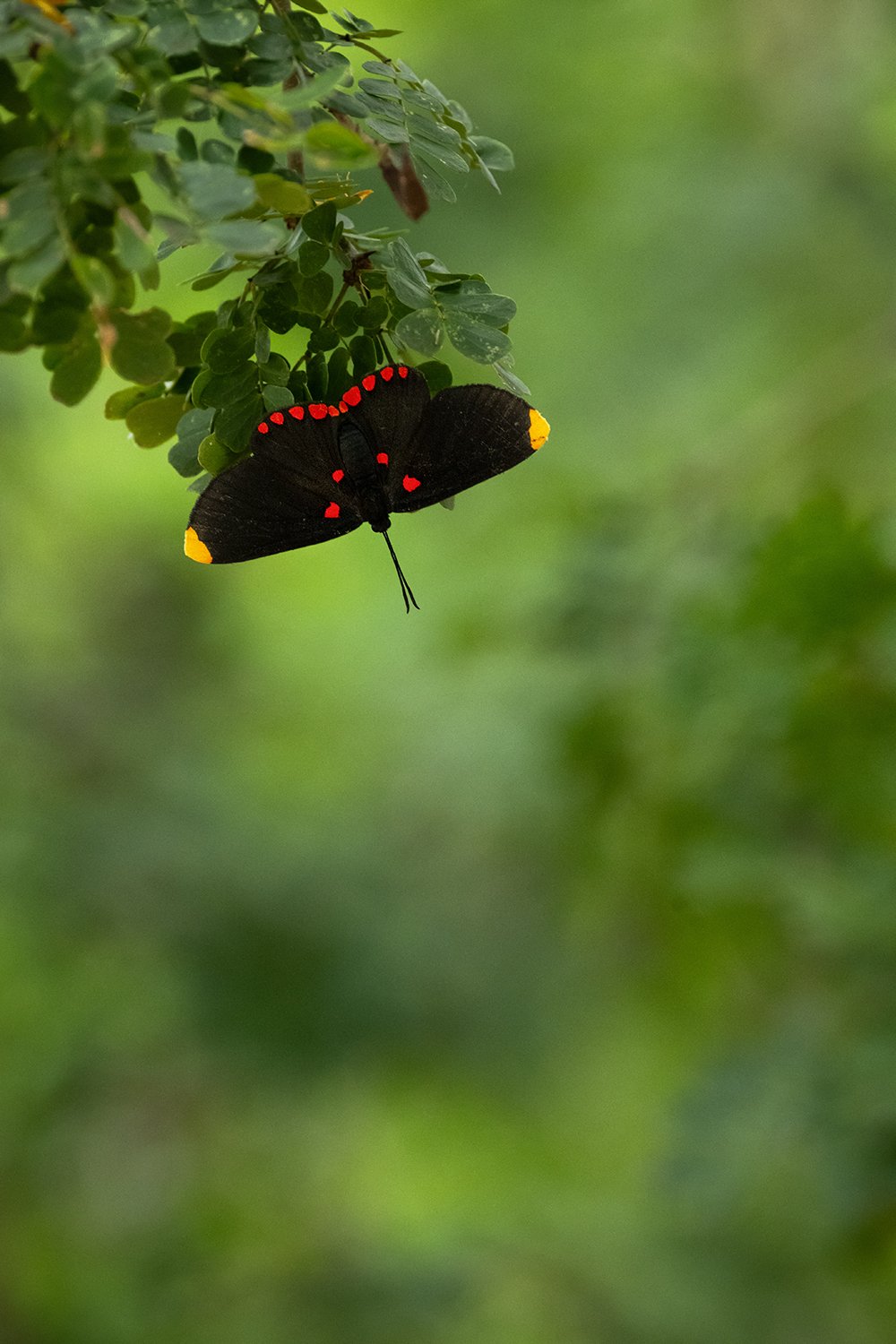
Red-bordered Pixie
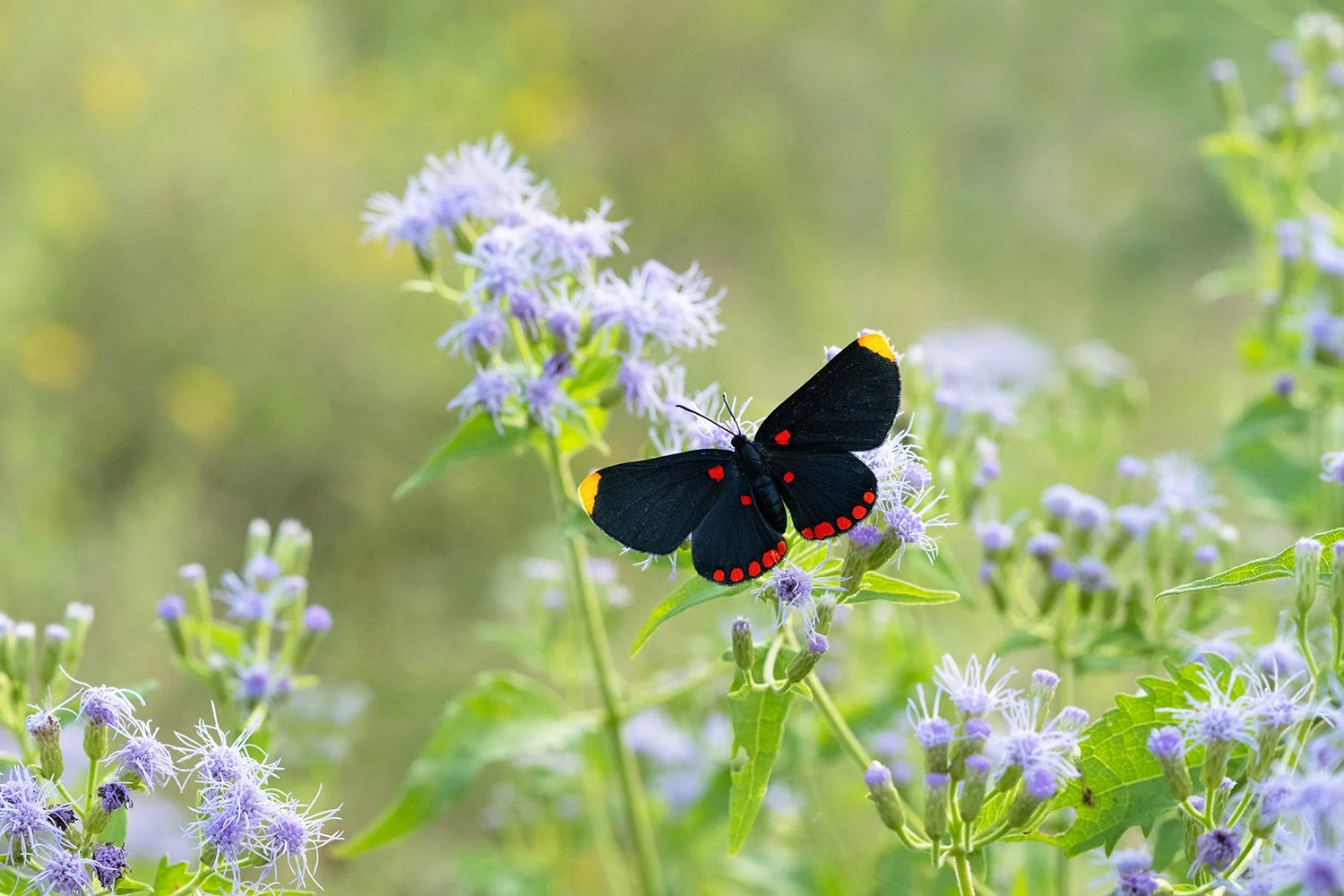
Red-bordered Pixie
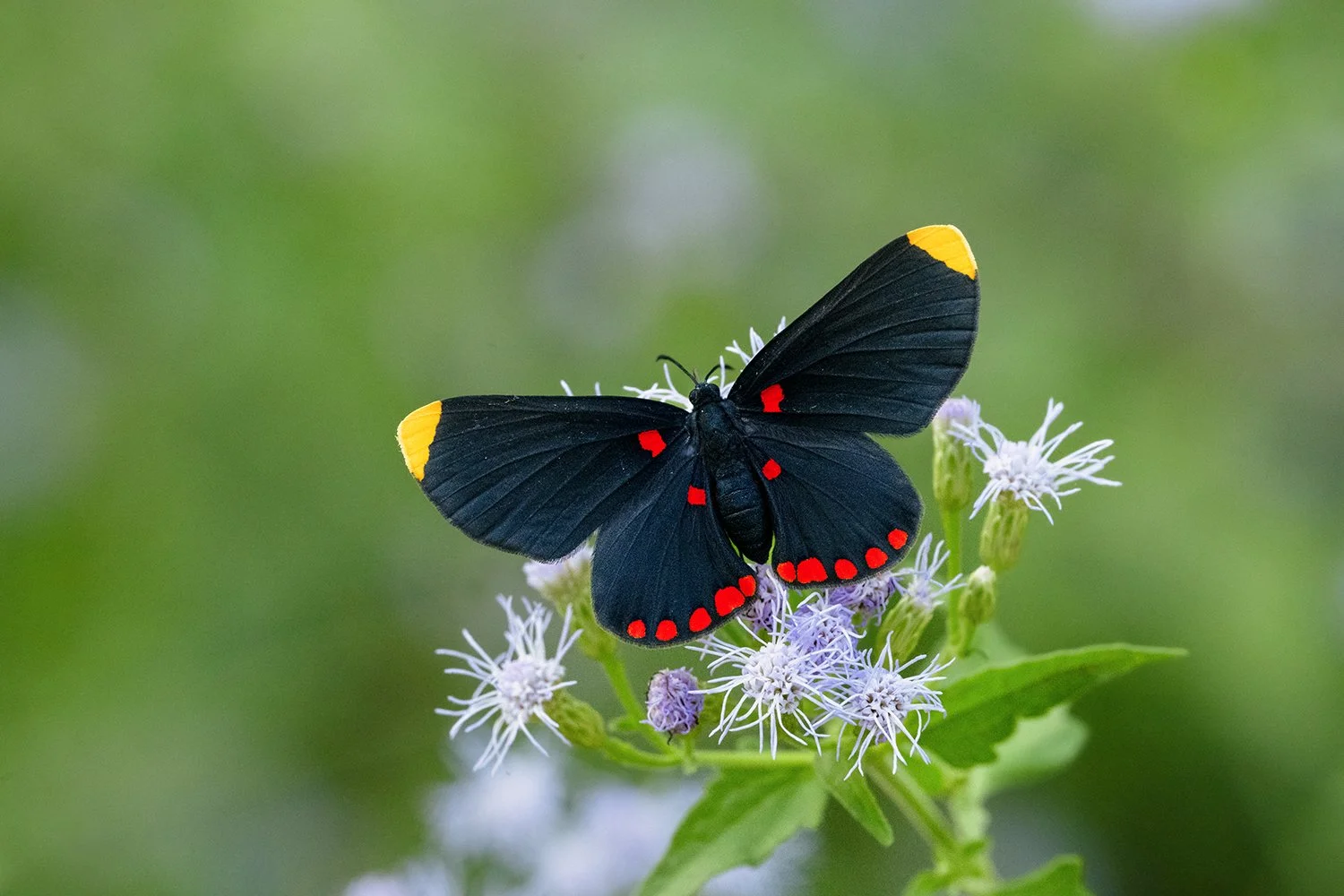
Red-bordered Pixie
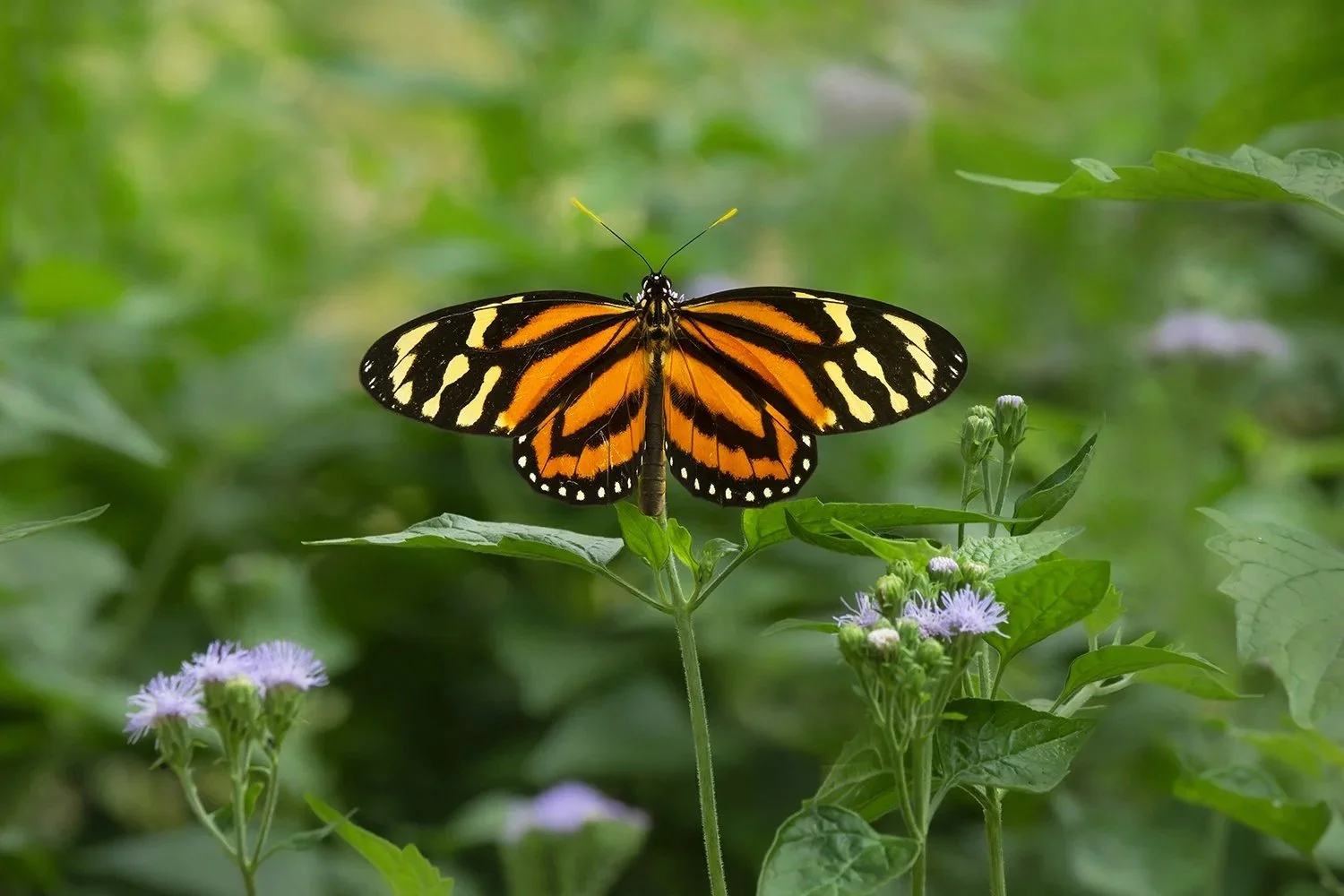
Tiger Mimic-Queen
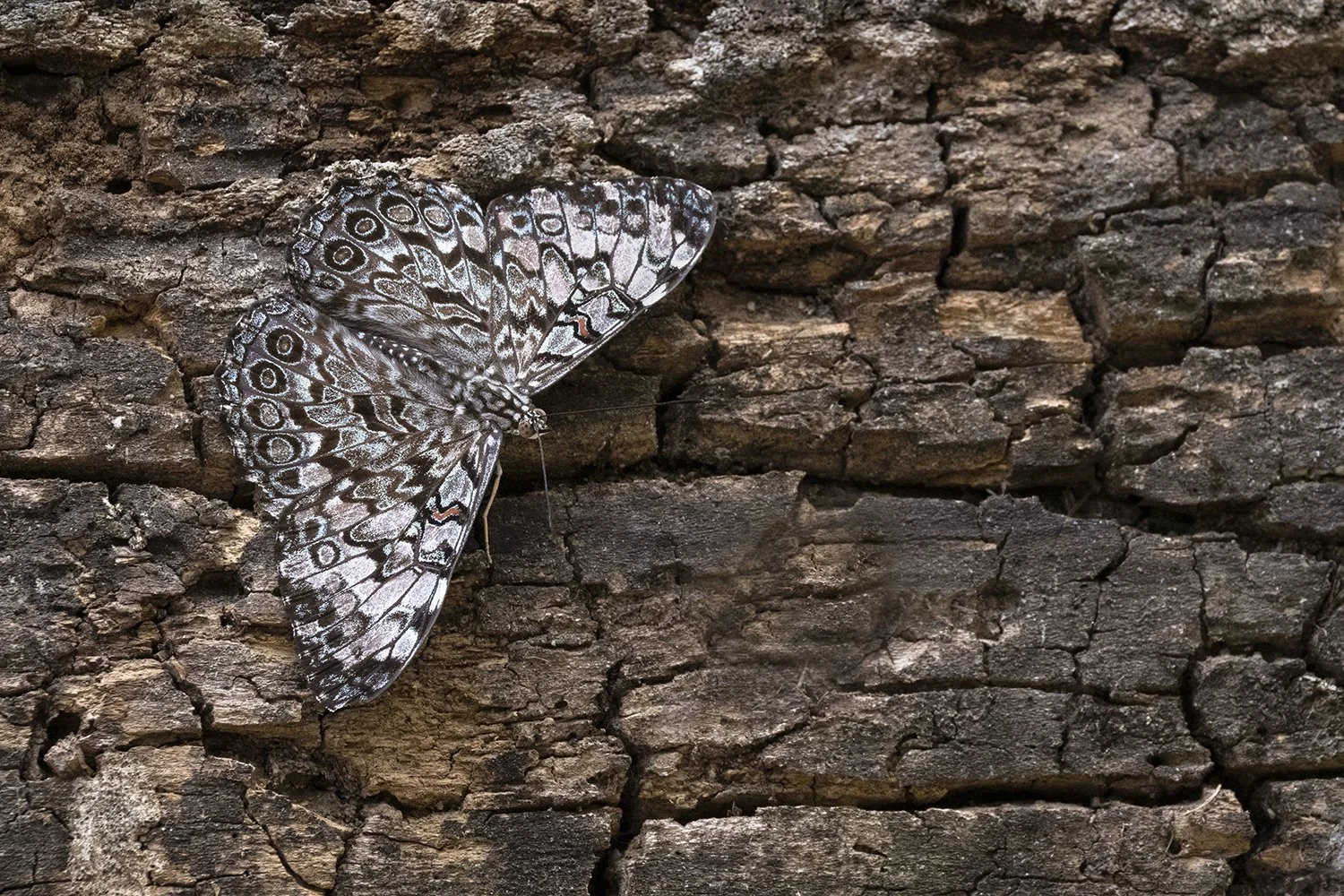
Guatemalan Cracker
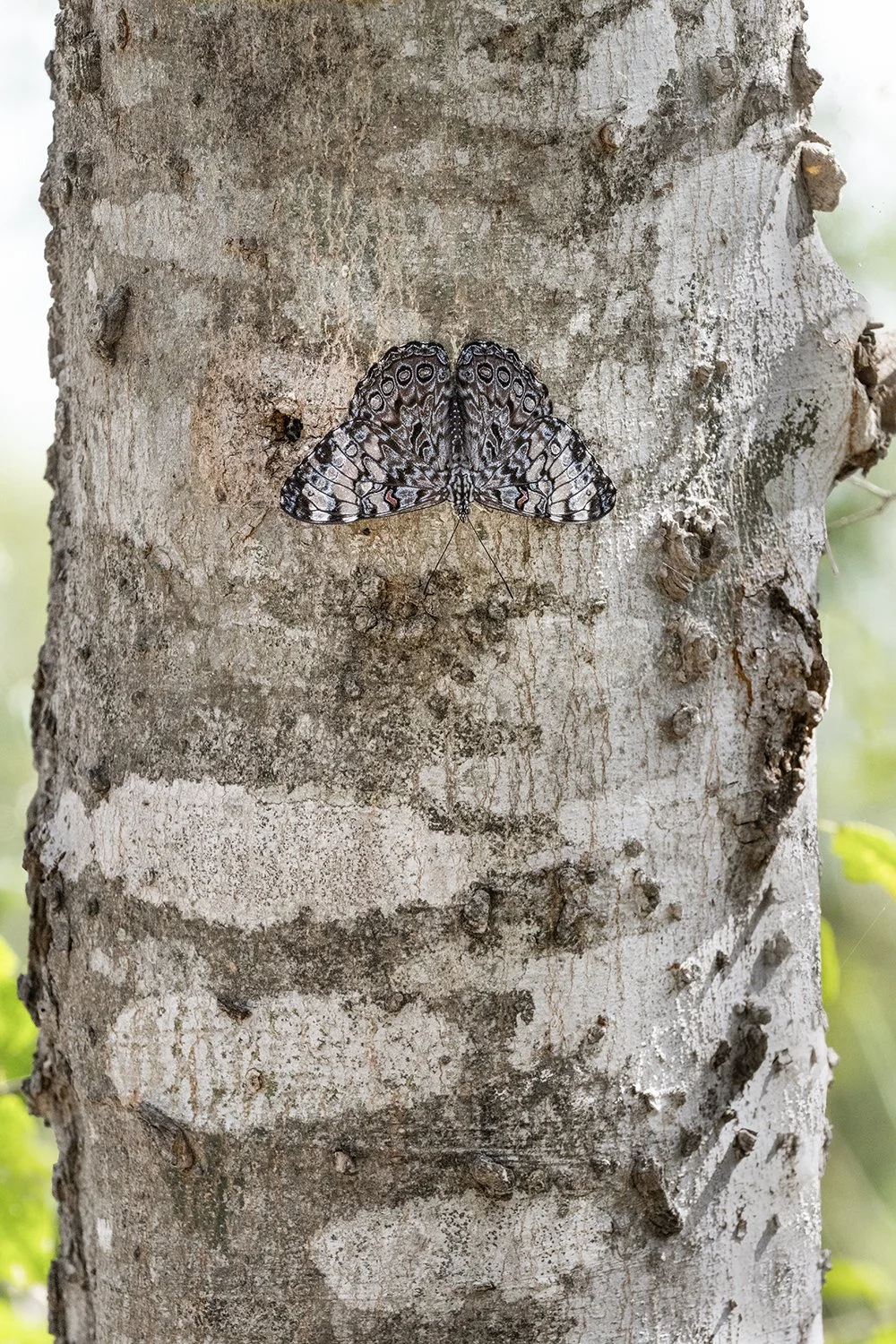
Guatemalan Cracker
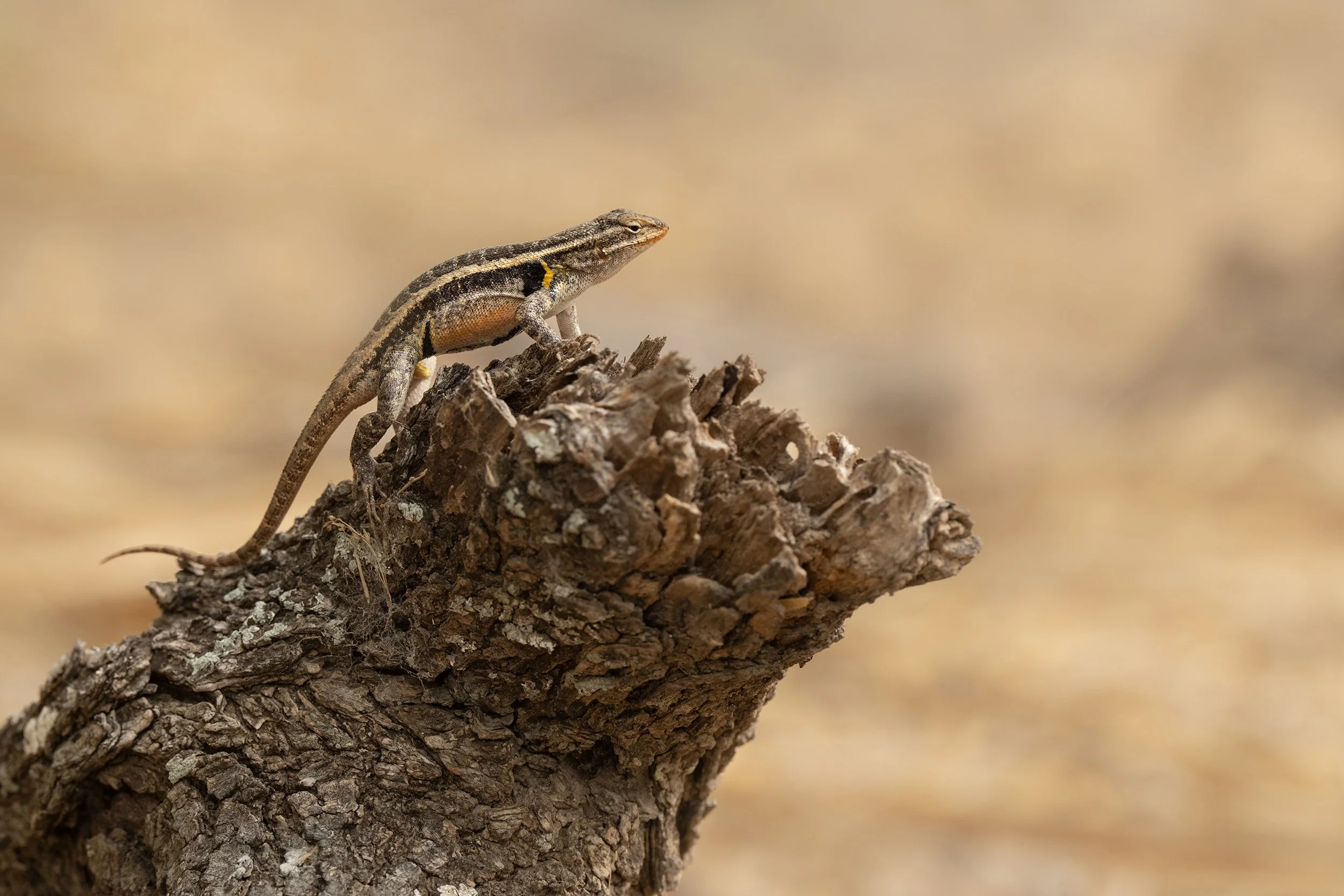
Rose-bellied Lizard
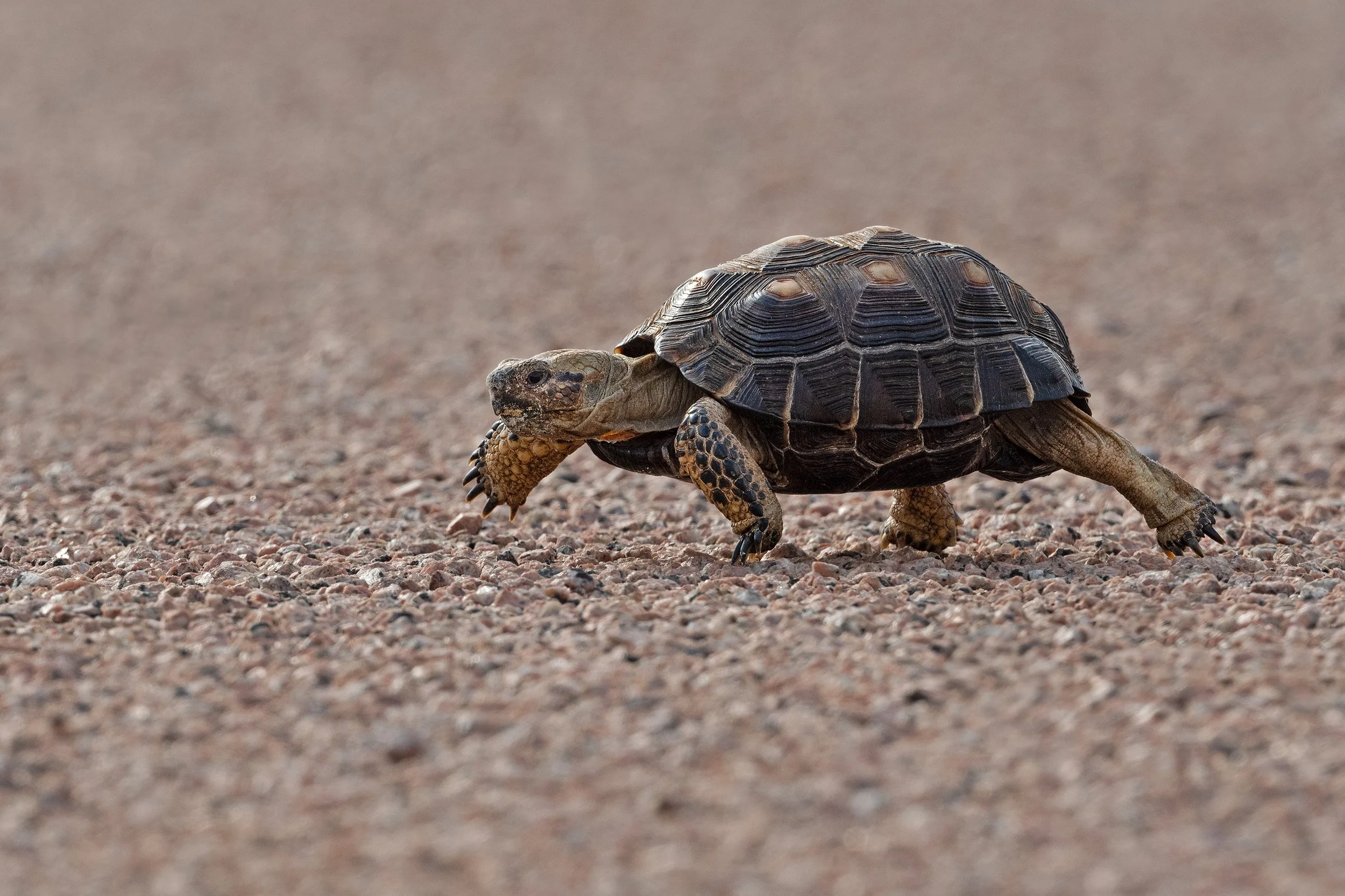
Texas Tortoise
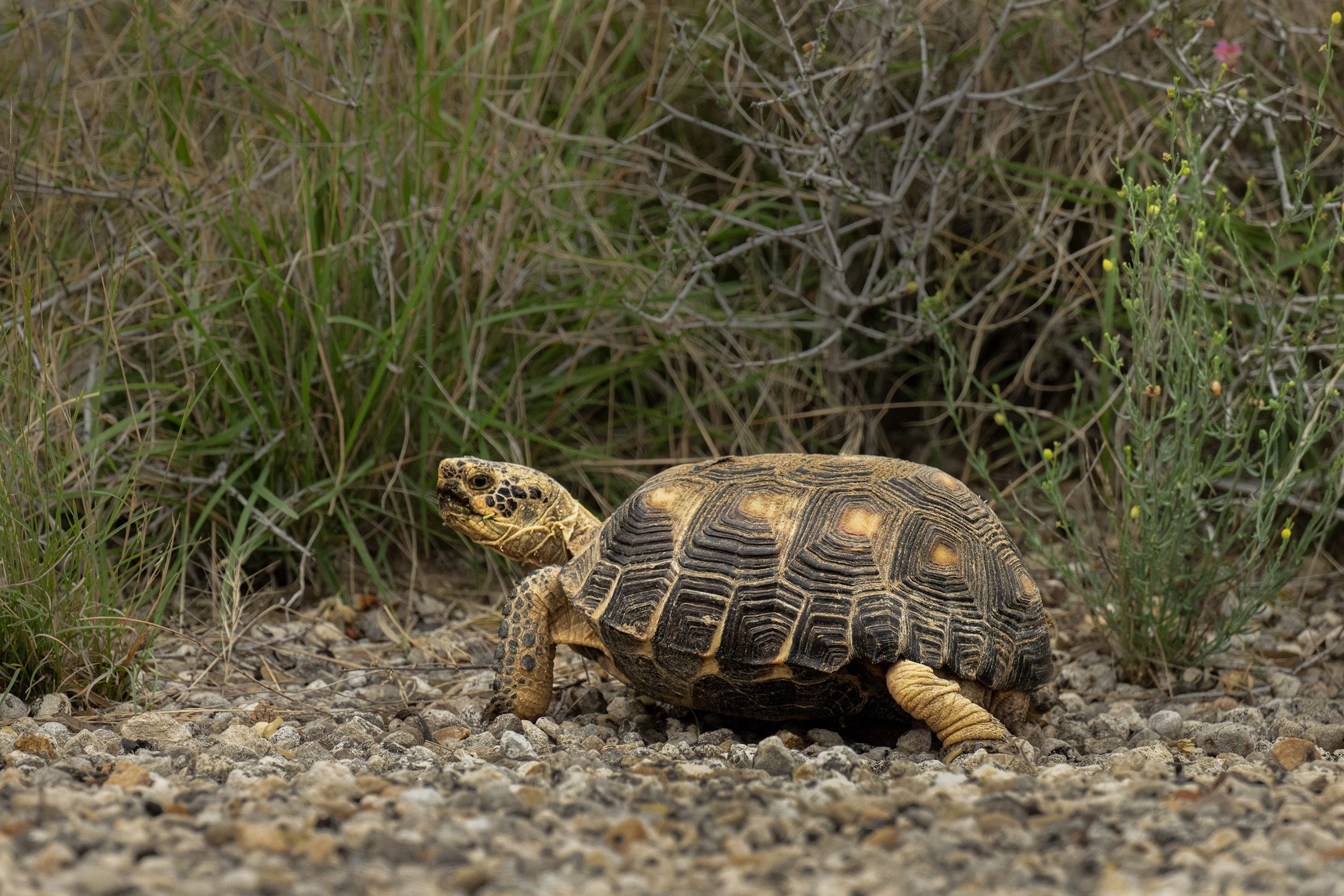
Texas Tortoise
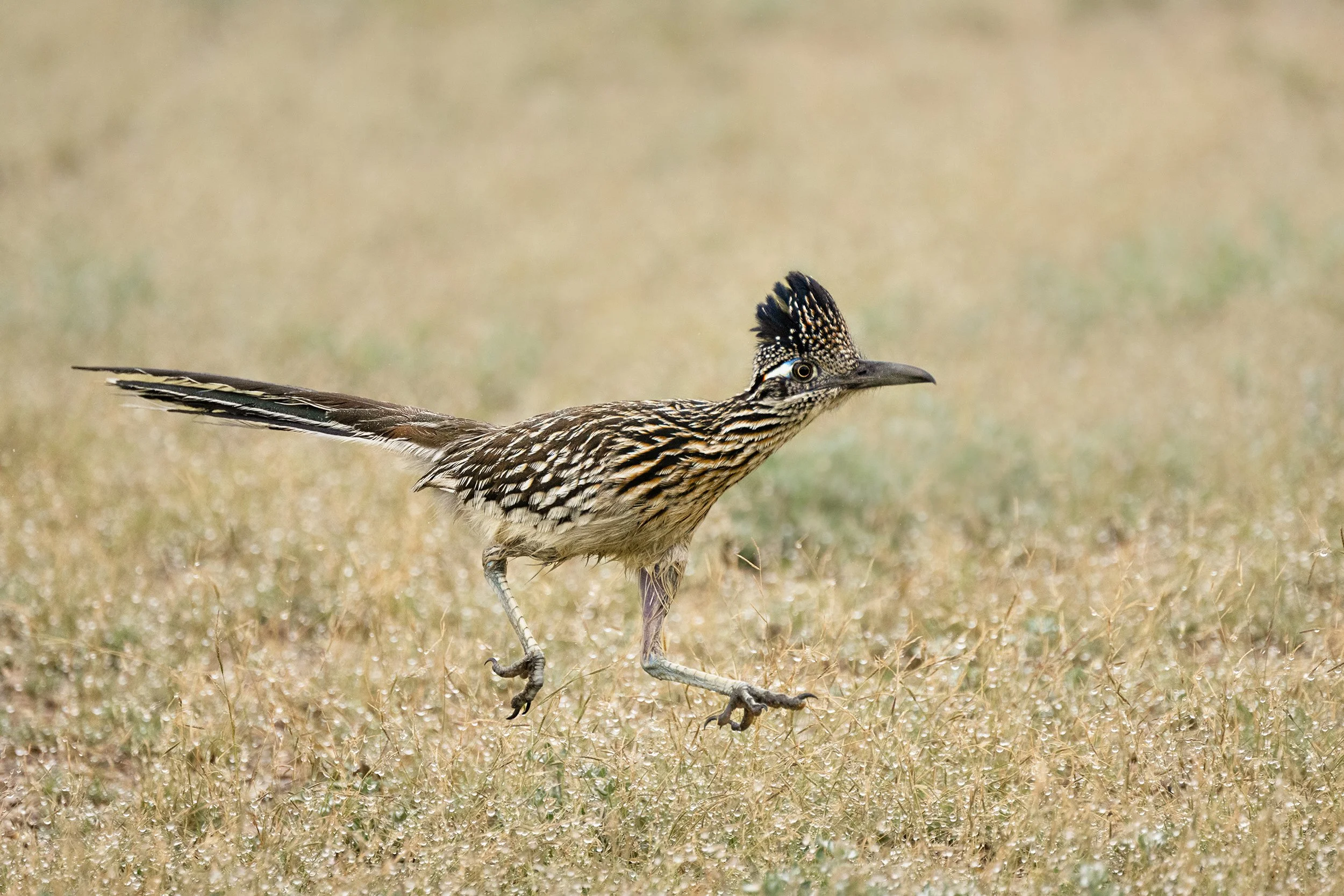
Greater Roadrunner
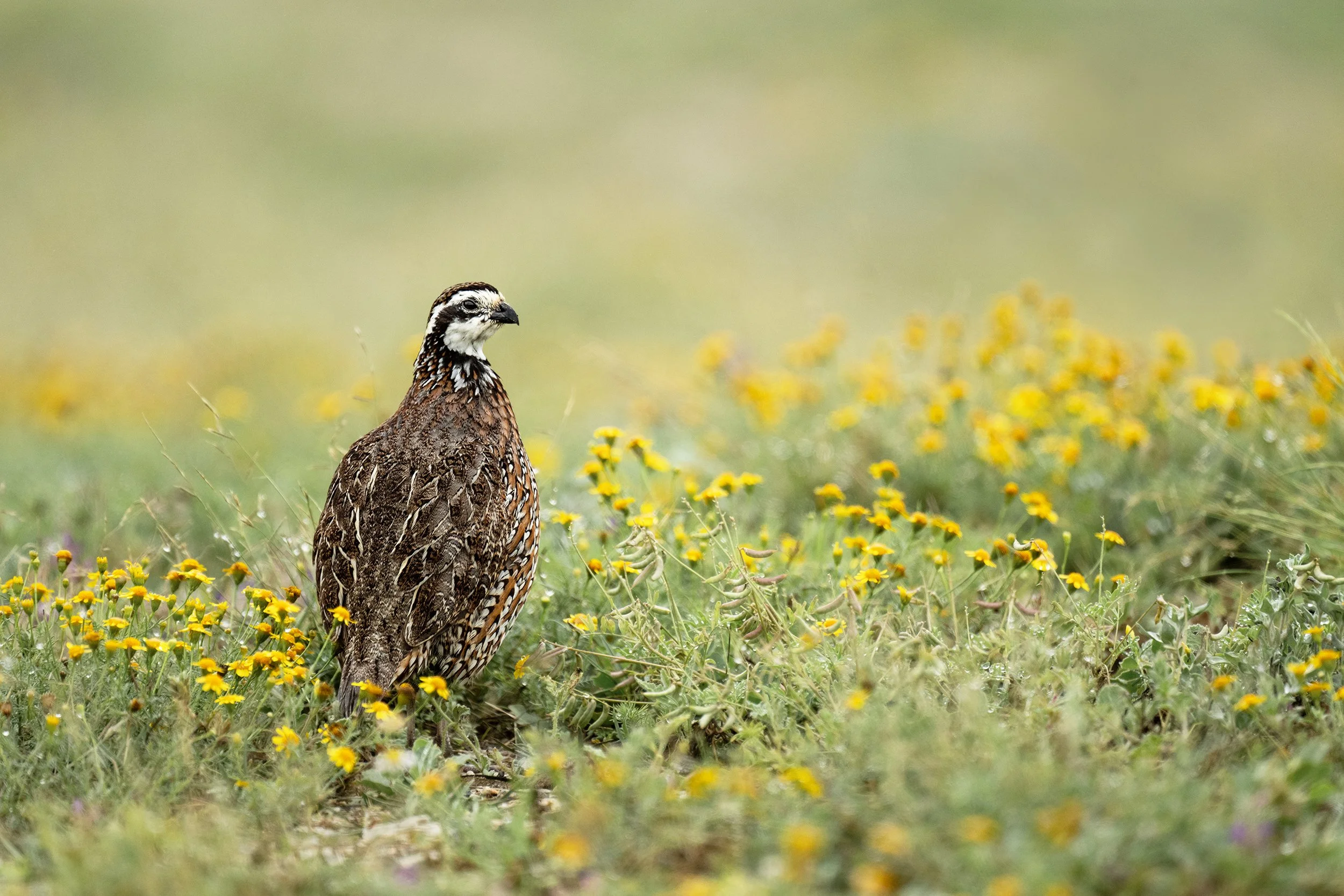
Northern Bobwhite (male)
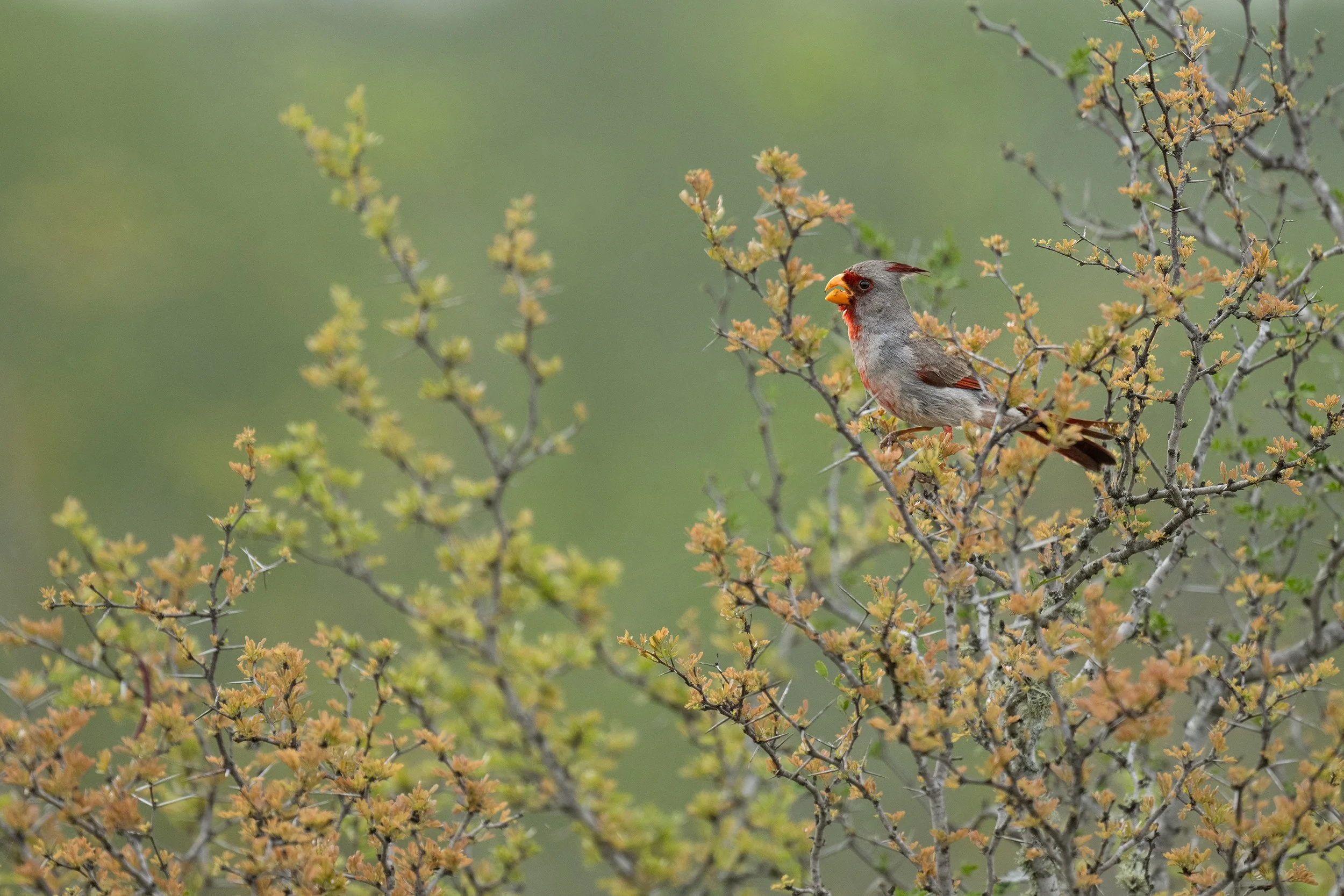
Pyrrhuloxia (male)
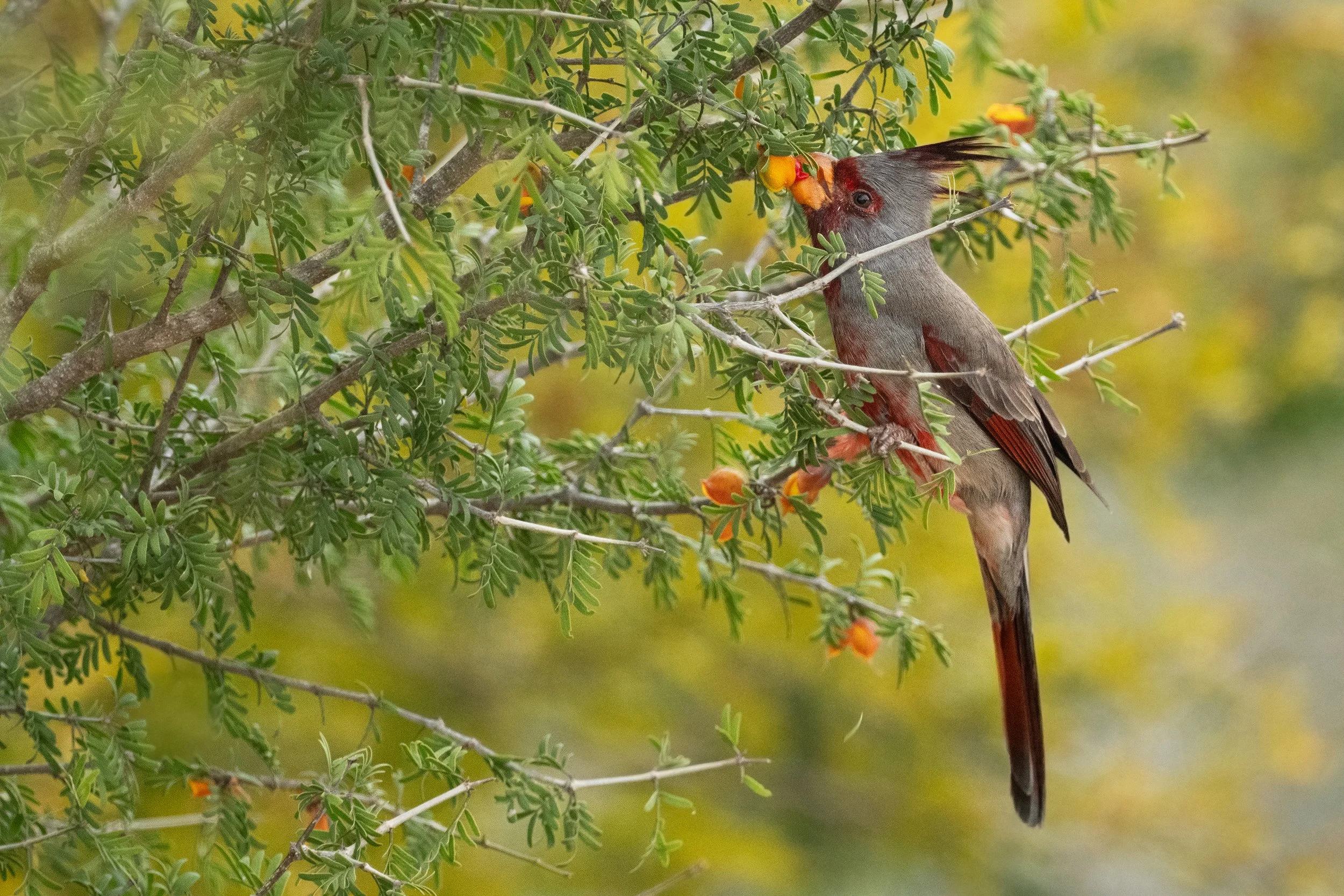
Pyrrhuloxia (male)
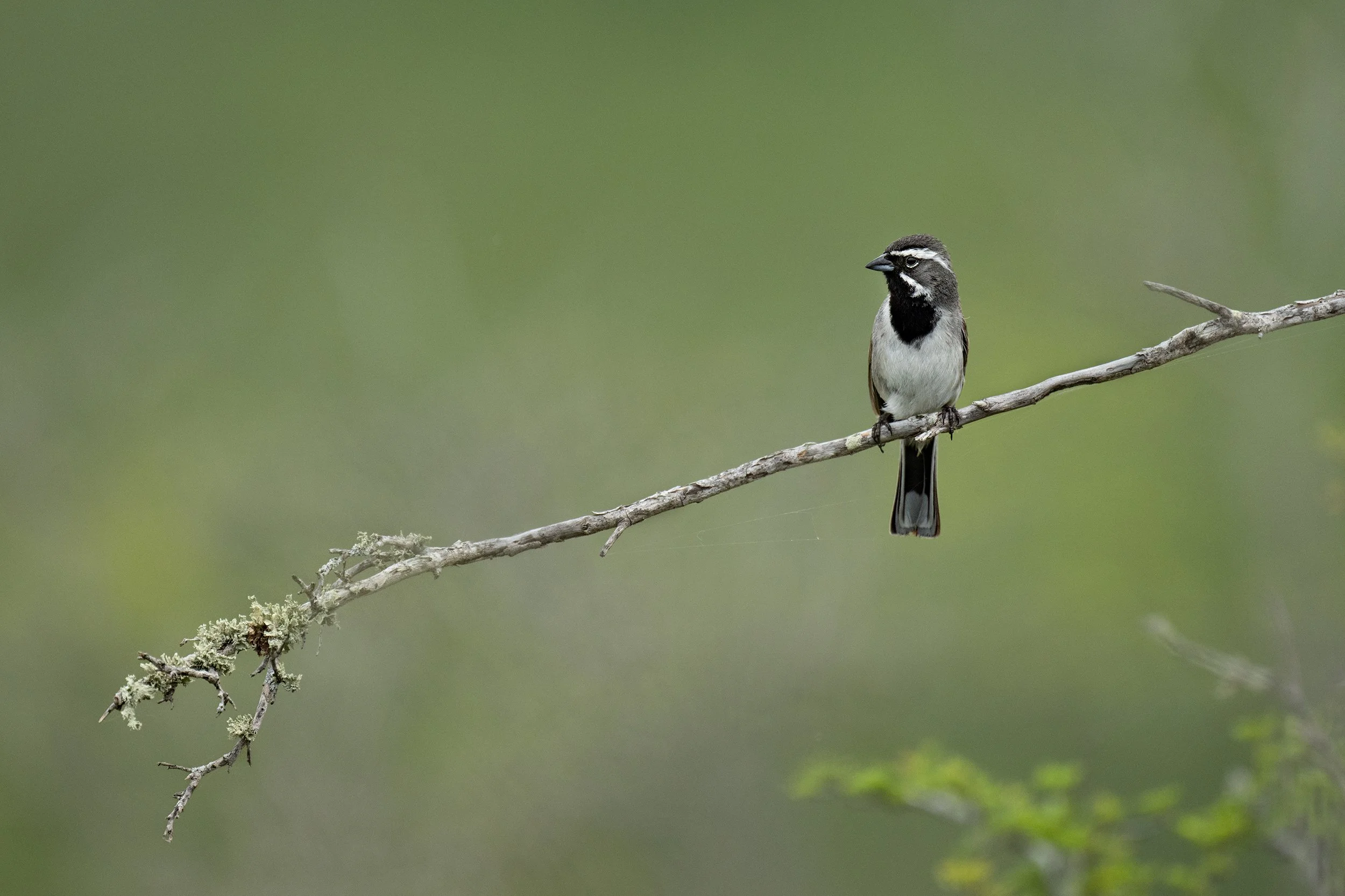
Black-throated Sparrow
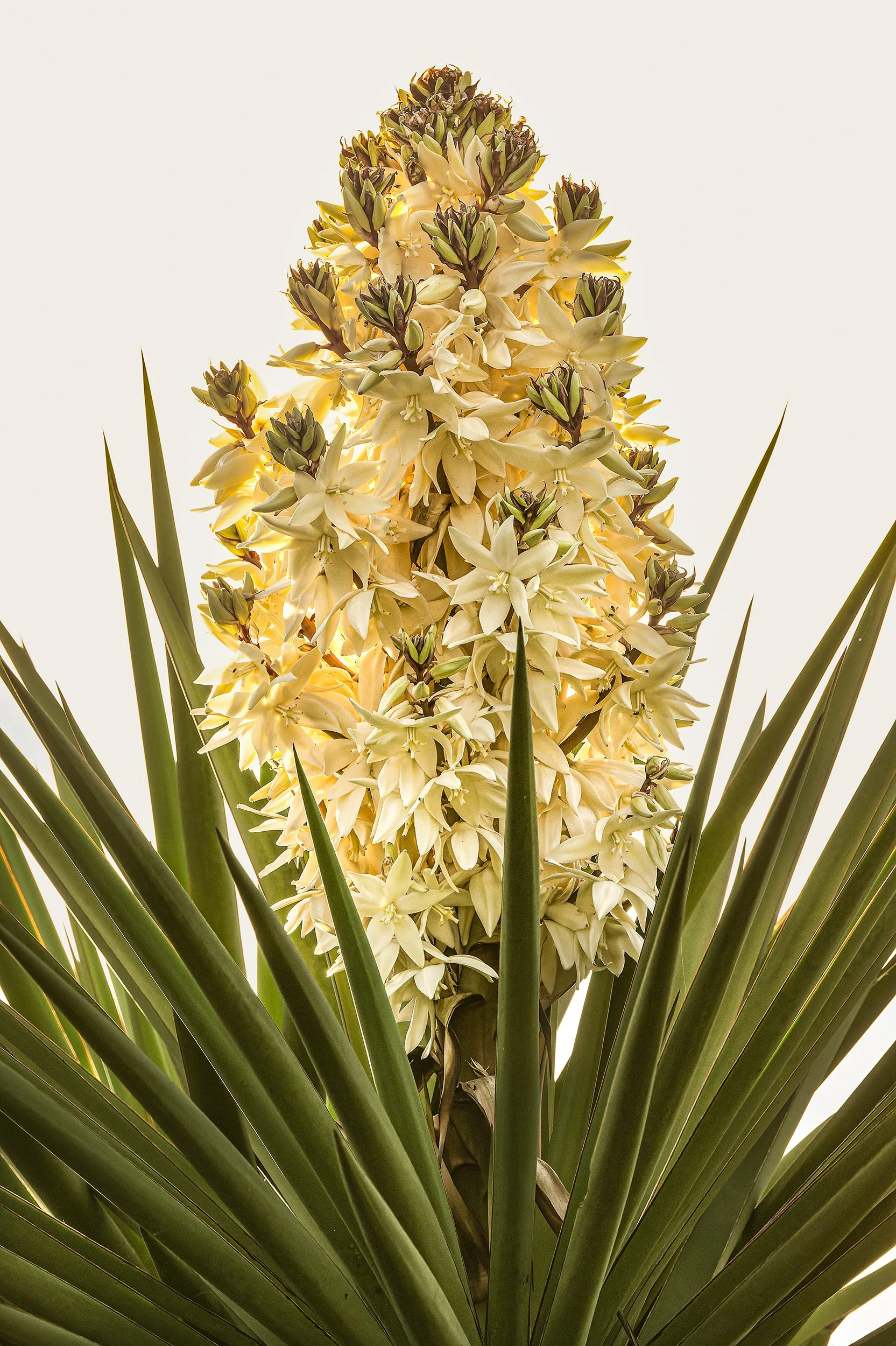
Spanish Dagger (Yucca sp.)
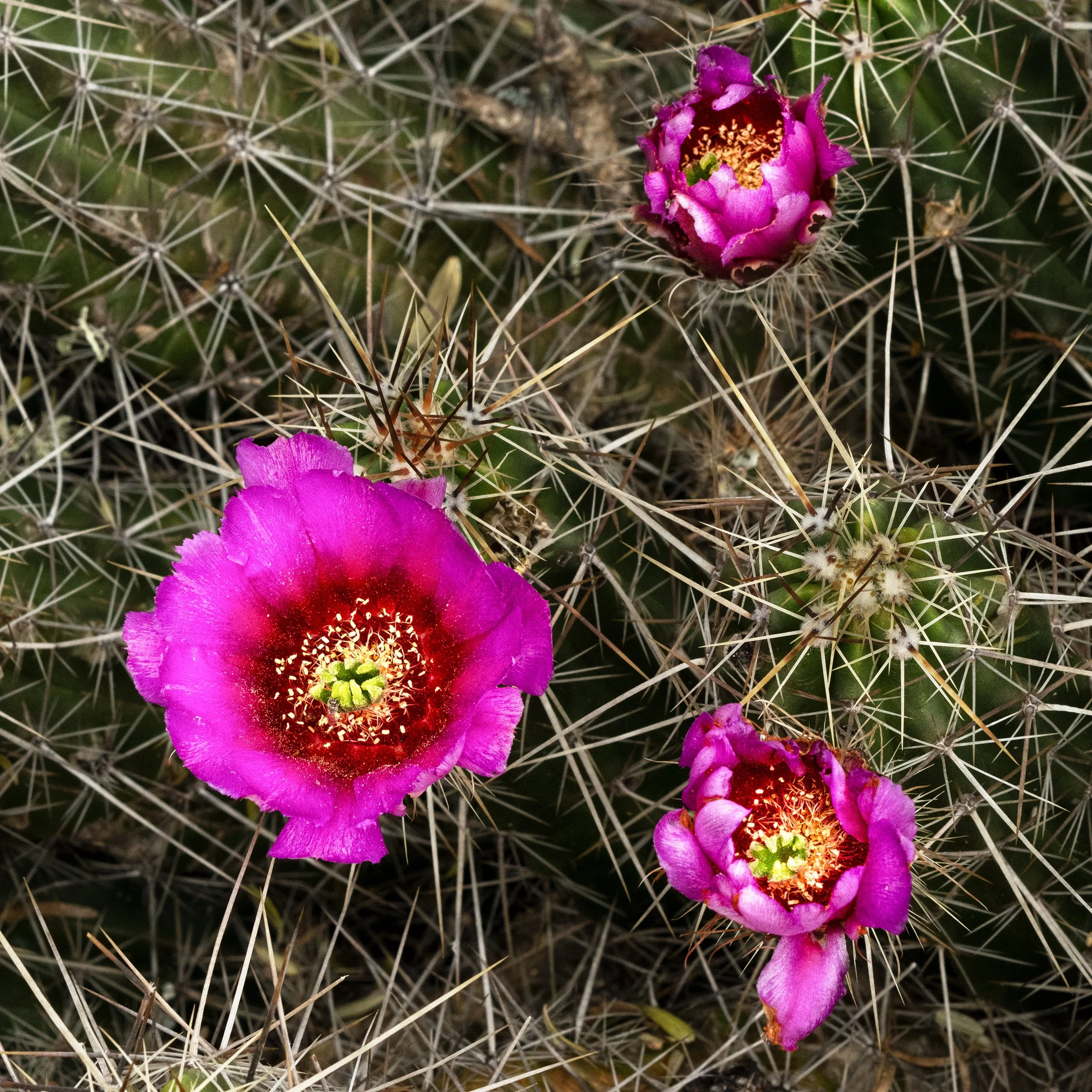
Strawberry Hedgehog Cactus
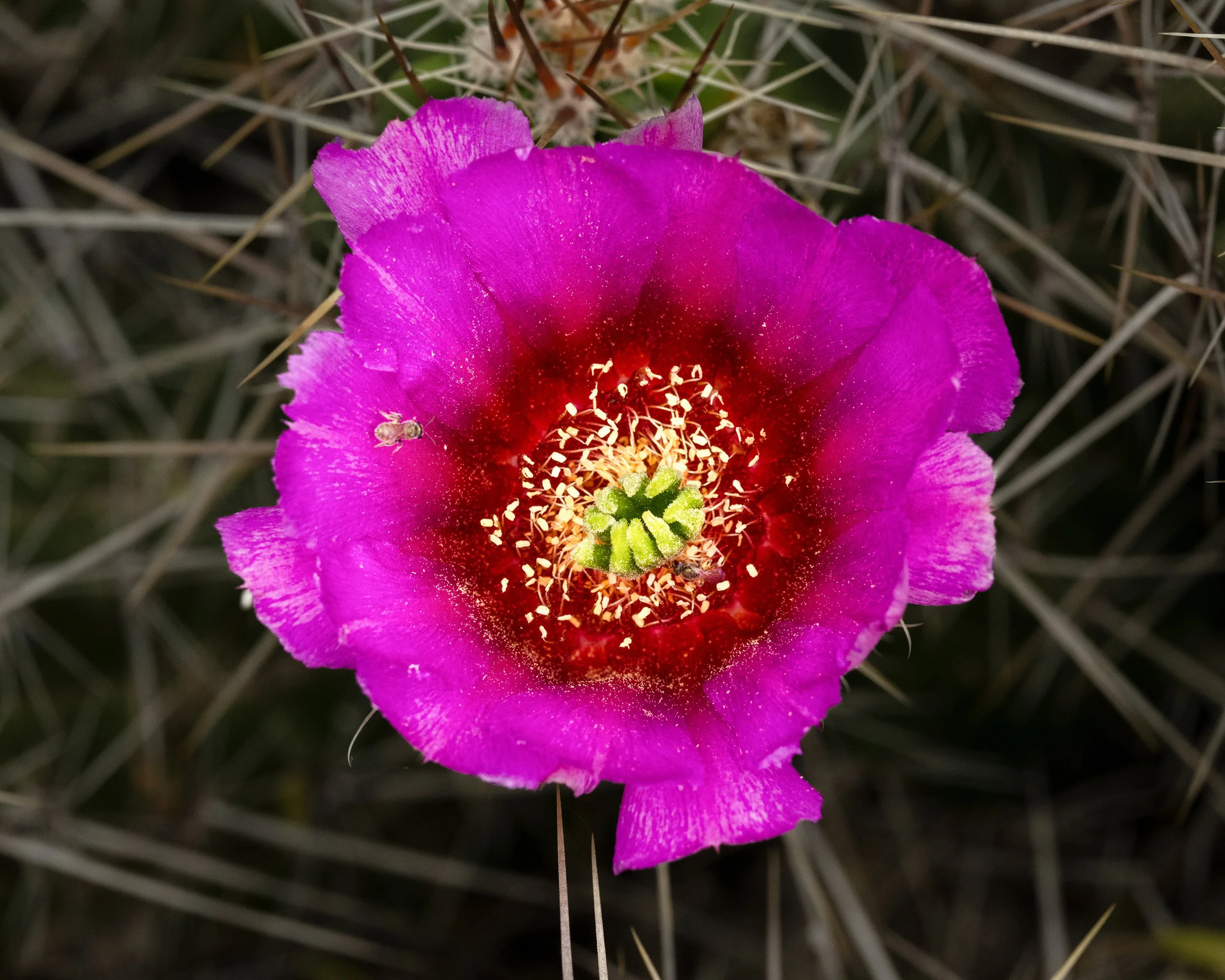
Strawberry Hedgehog Cactus
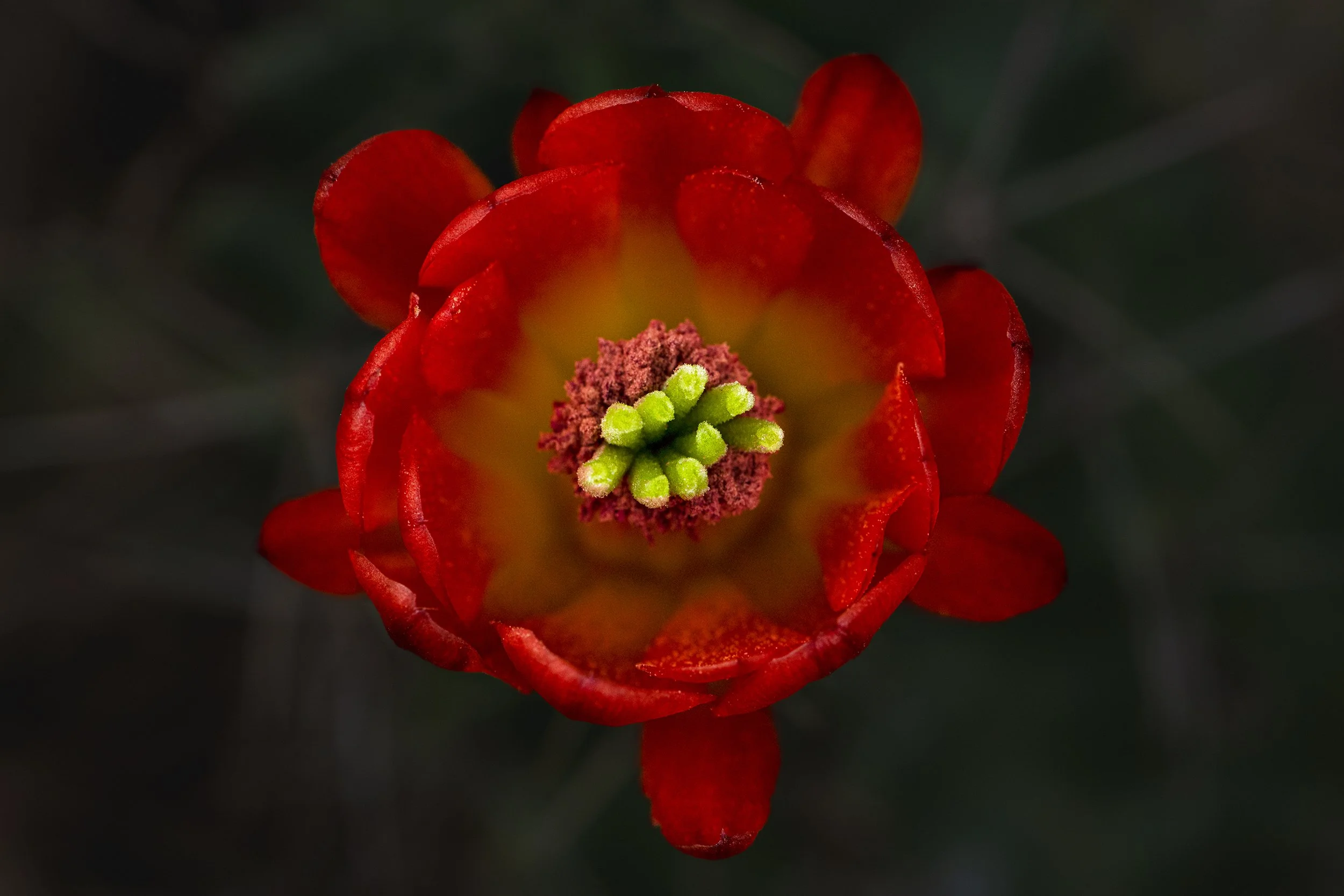
Claret Cup Cactus
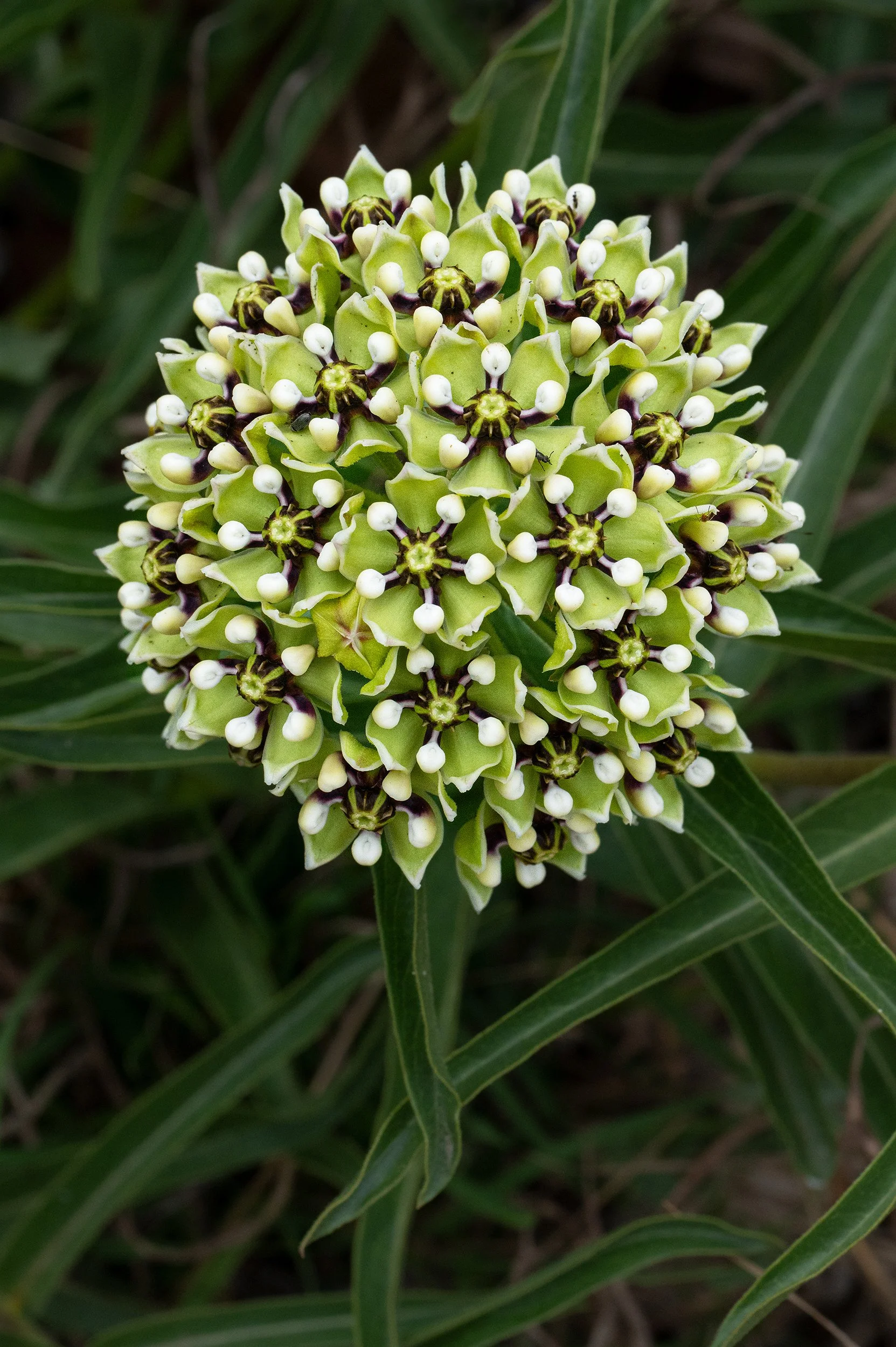
Antelope-horn (Green) Milkweed
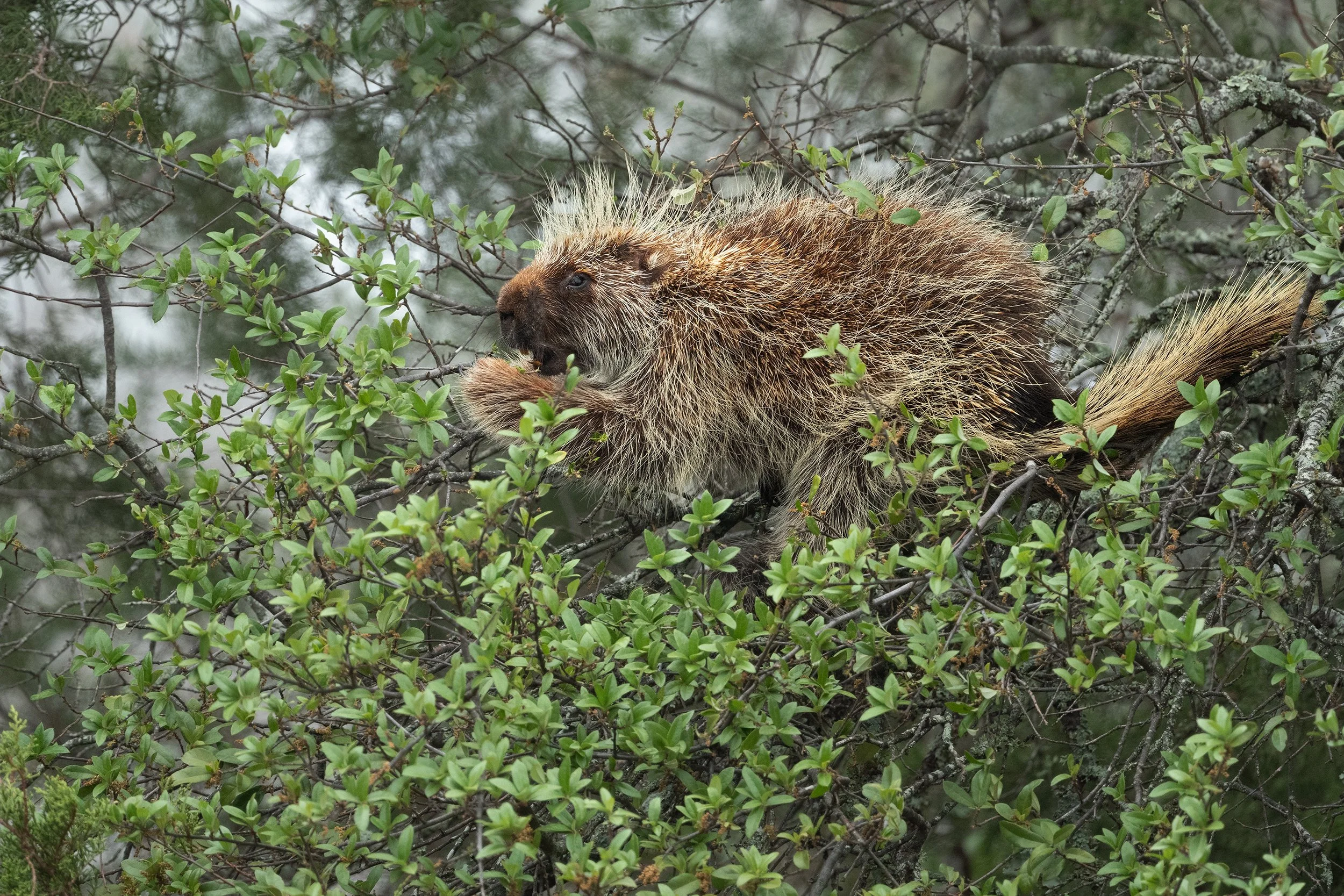
North American Porcupine
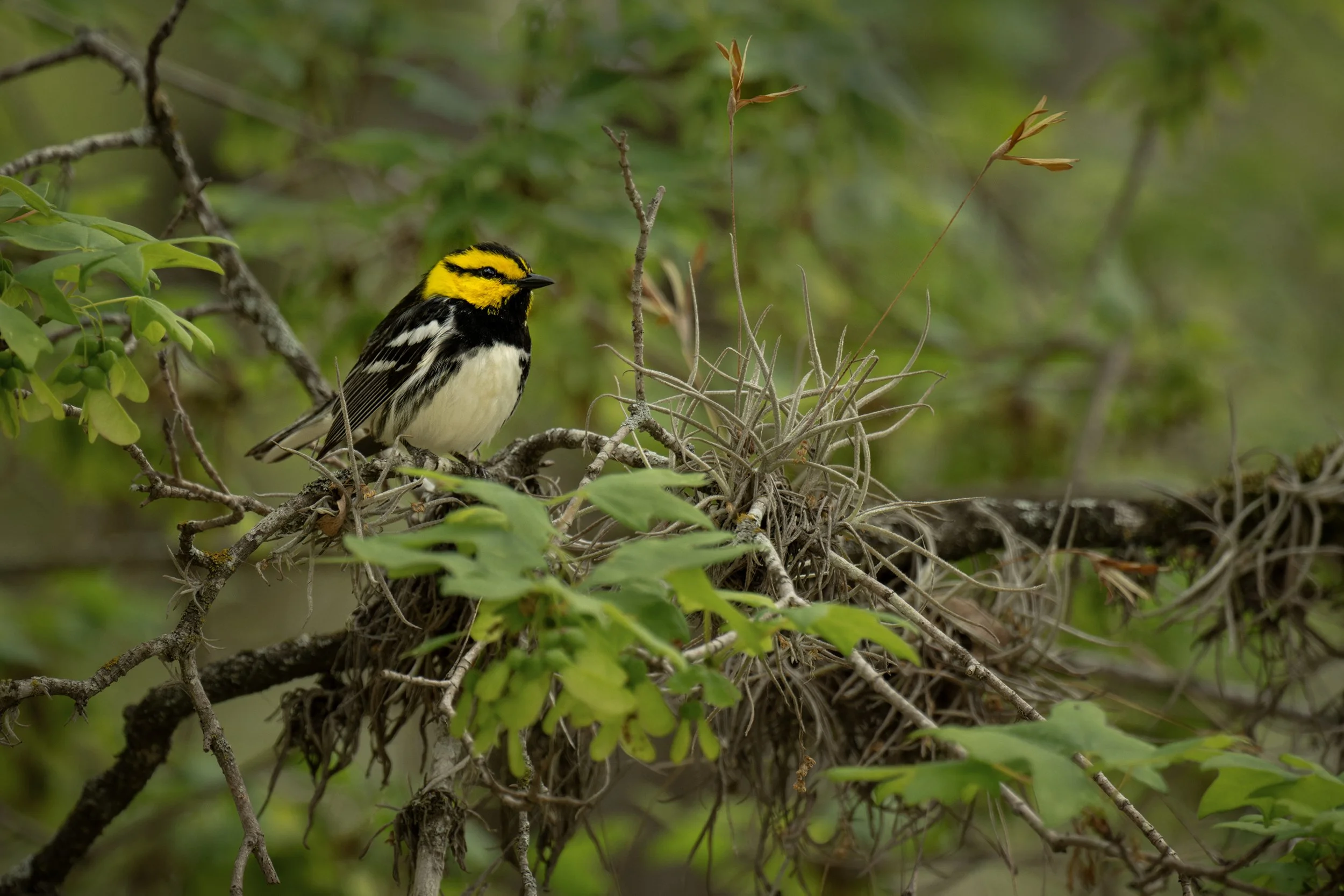
Golden-cheeked Warbler (male) (Endangered)
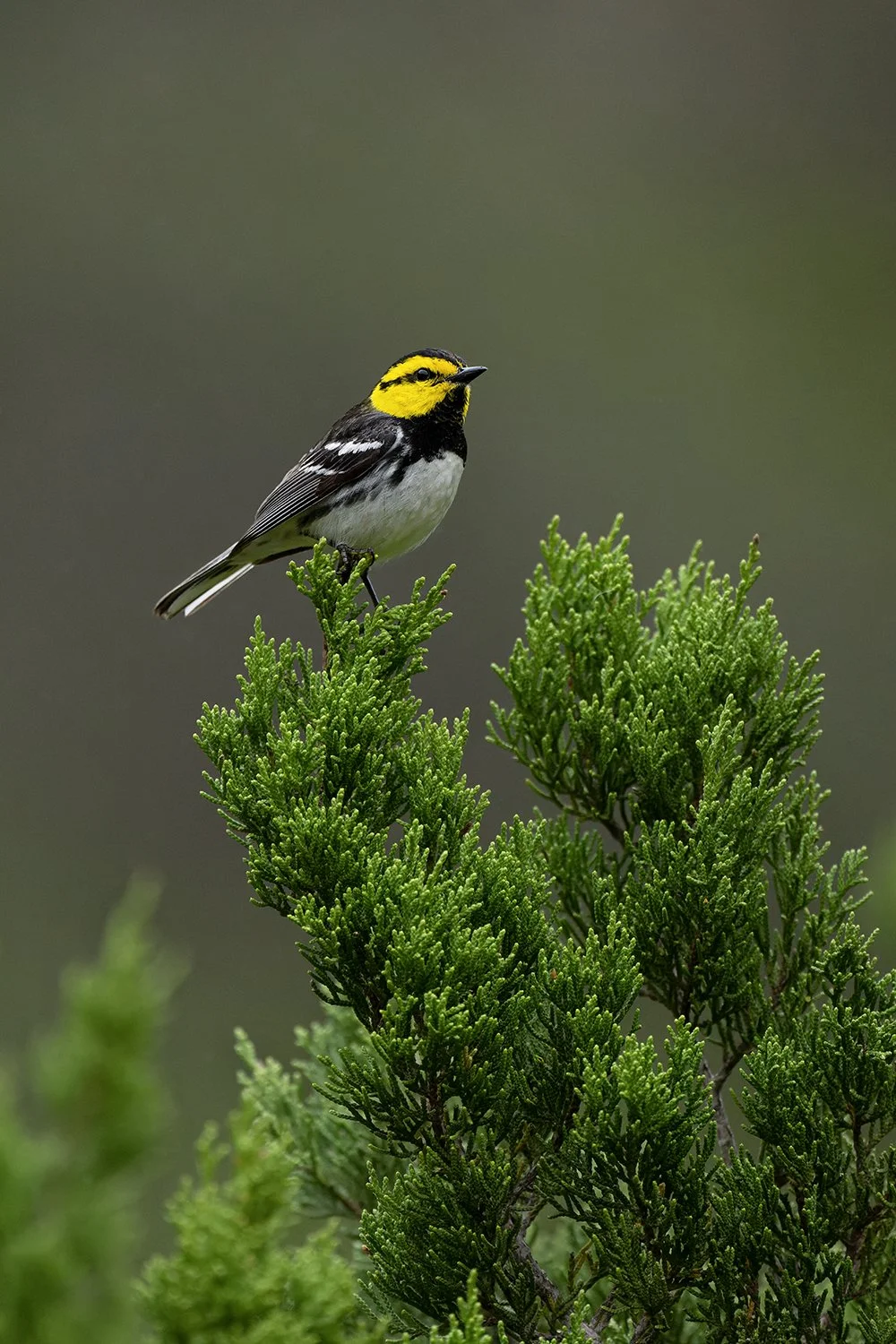
Golden-cheeked Warbler (male)(Endangered)
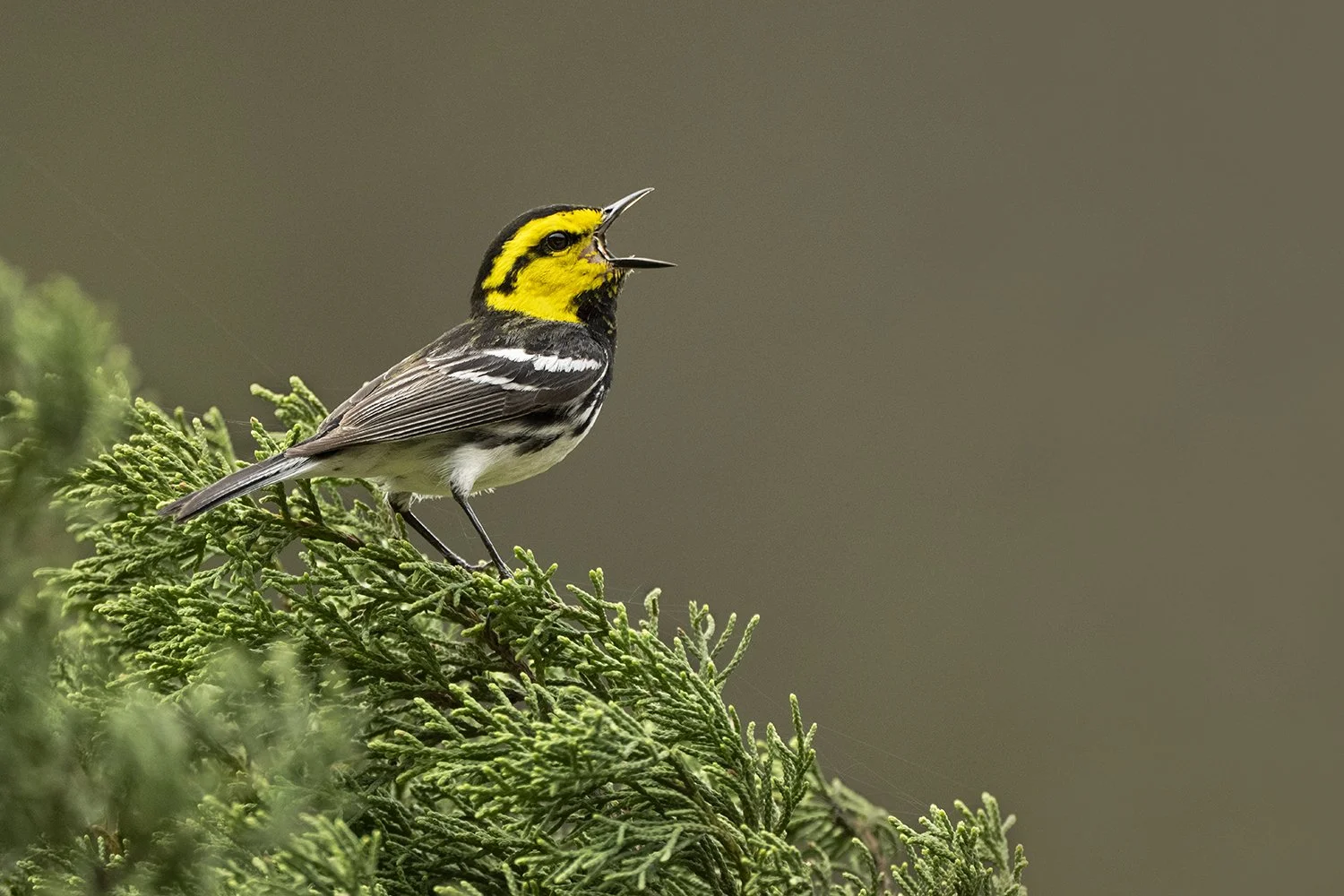
Golden-cheeked Warbler (male) (Endangered)
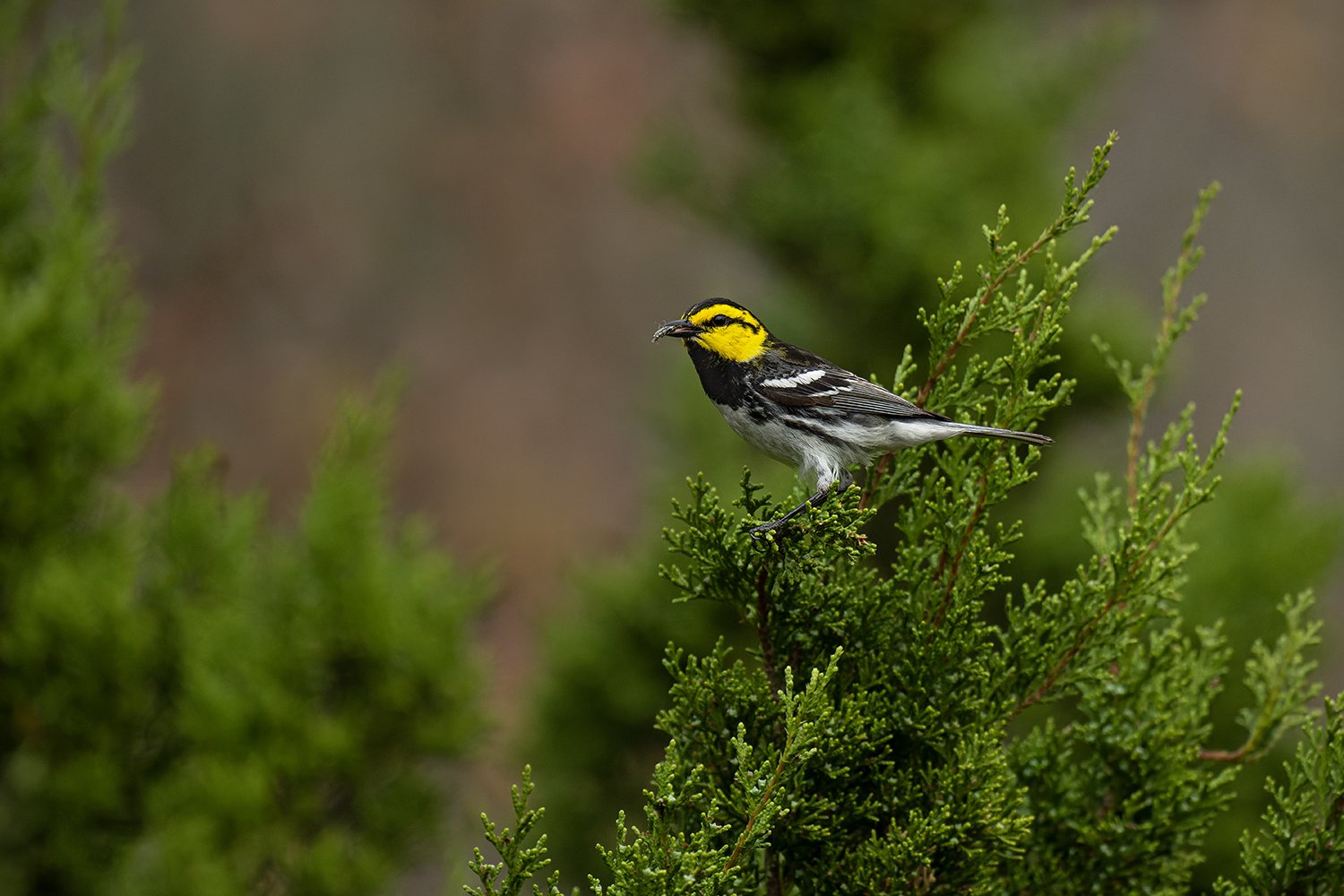
Golden-cheeked Warbler (male) (Endangered)
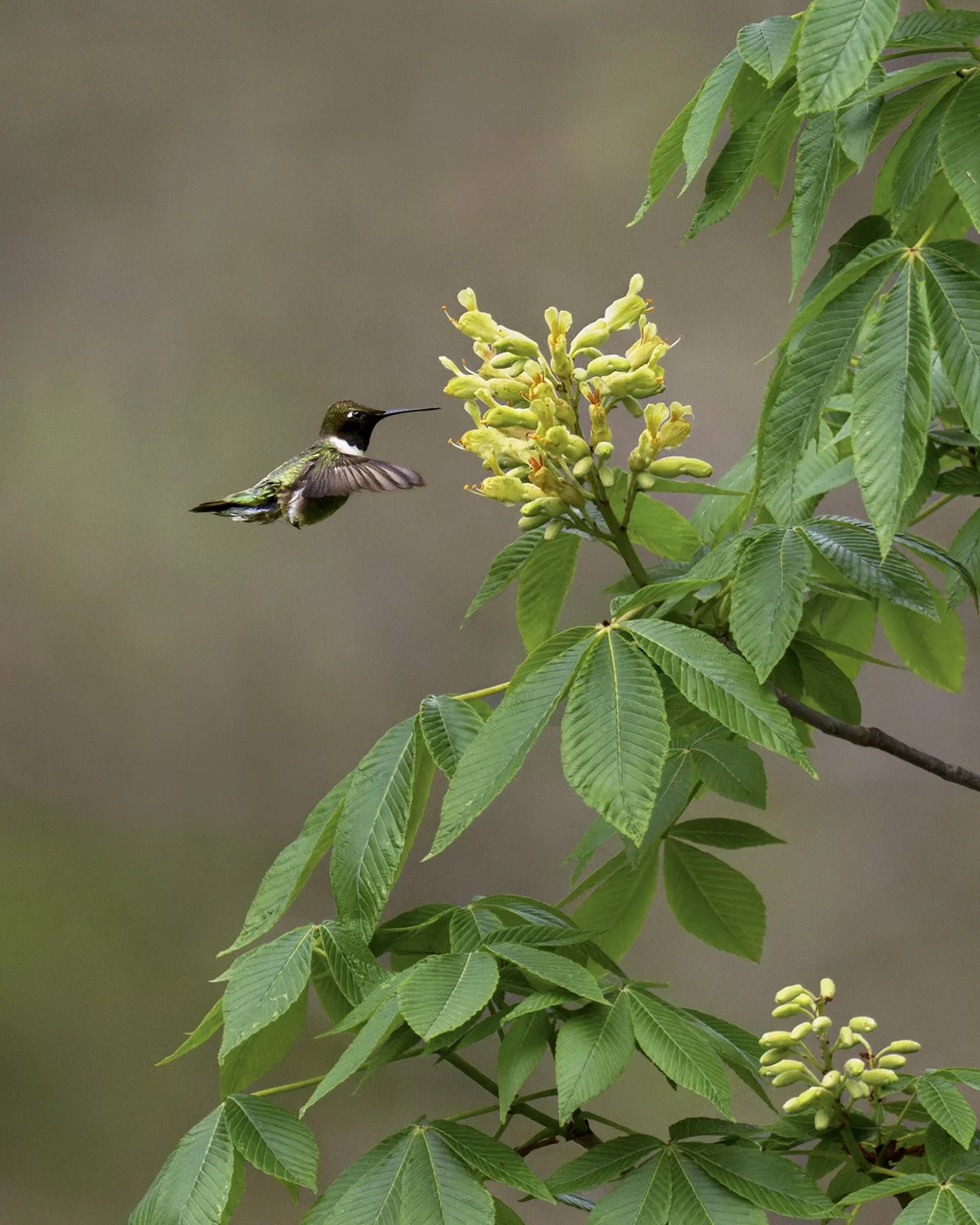
Black-chinned Hummingbird (male)
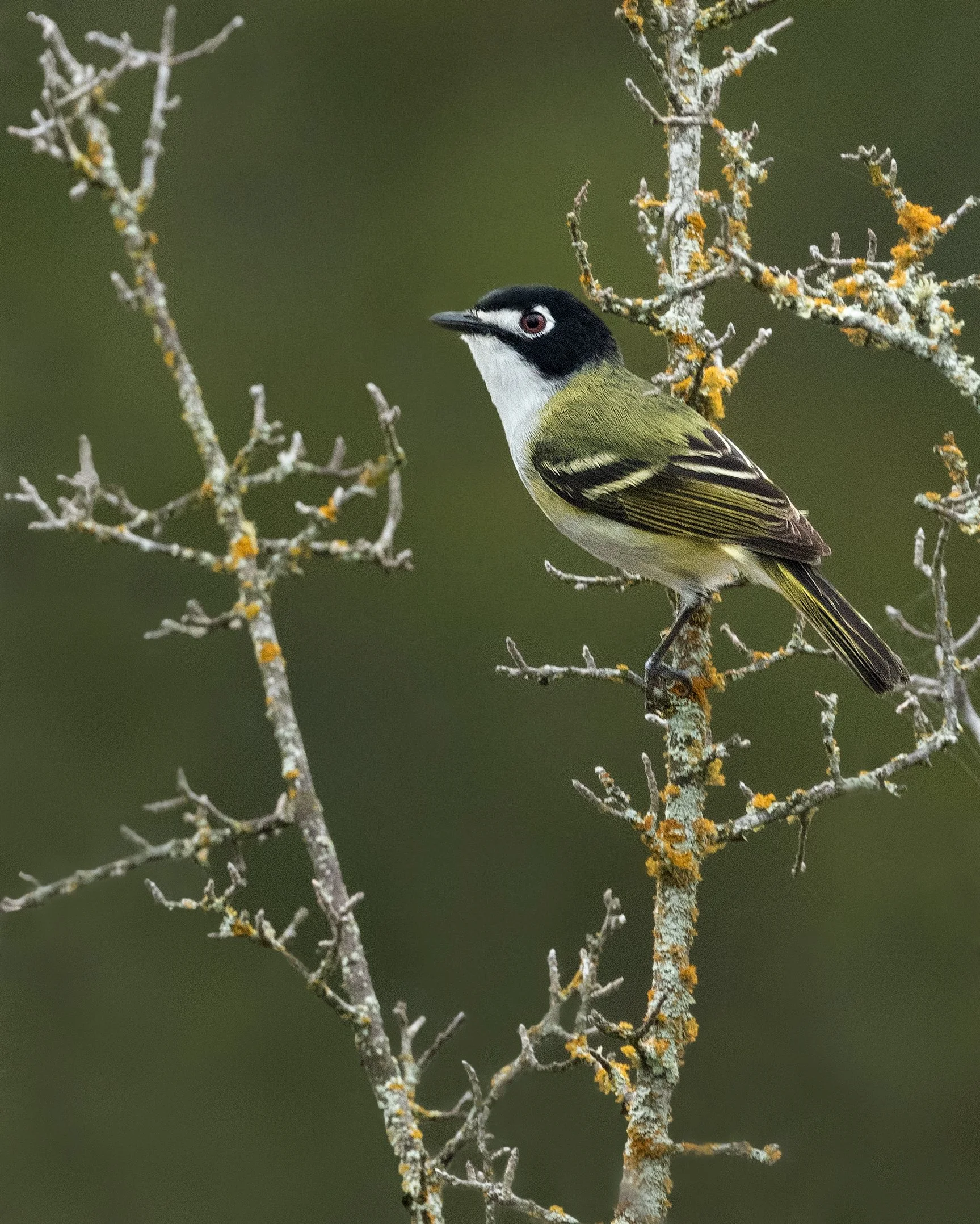
Black-capped Vireo (male) (Threatened)
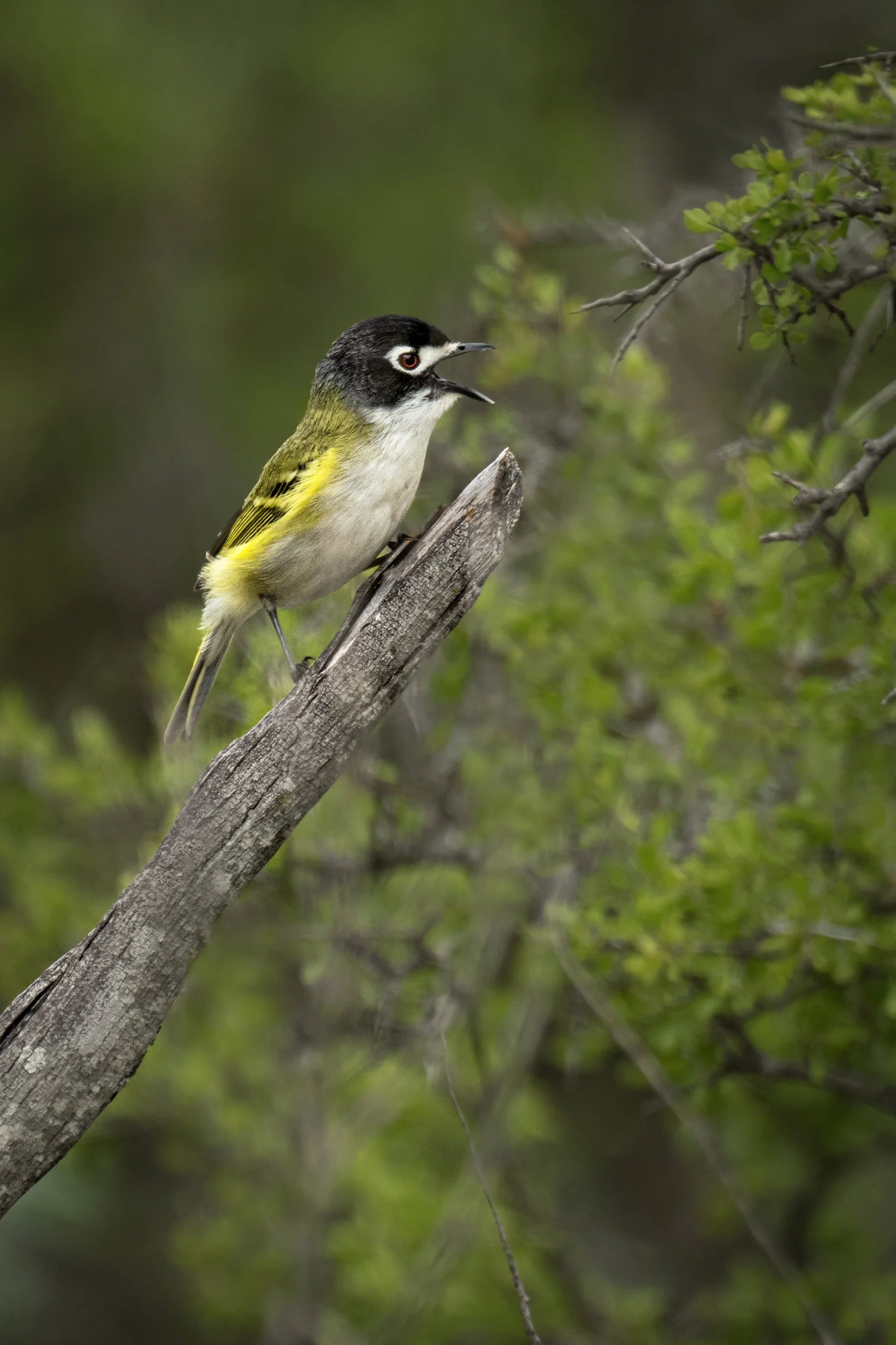
Black-capped Vireo (male) (Threatened)
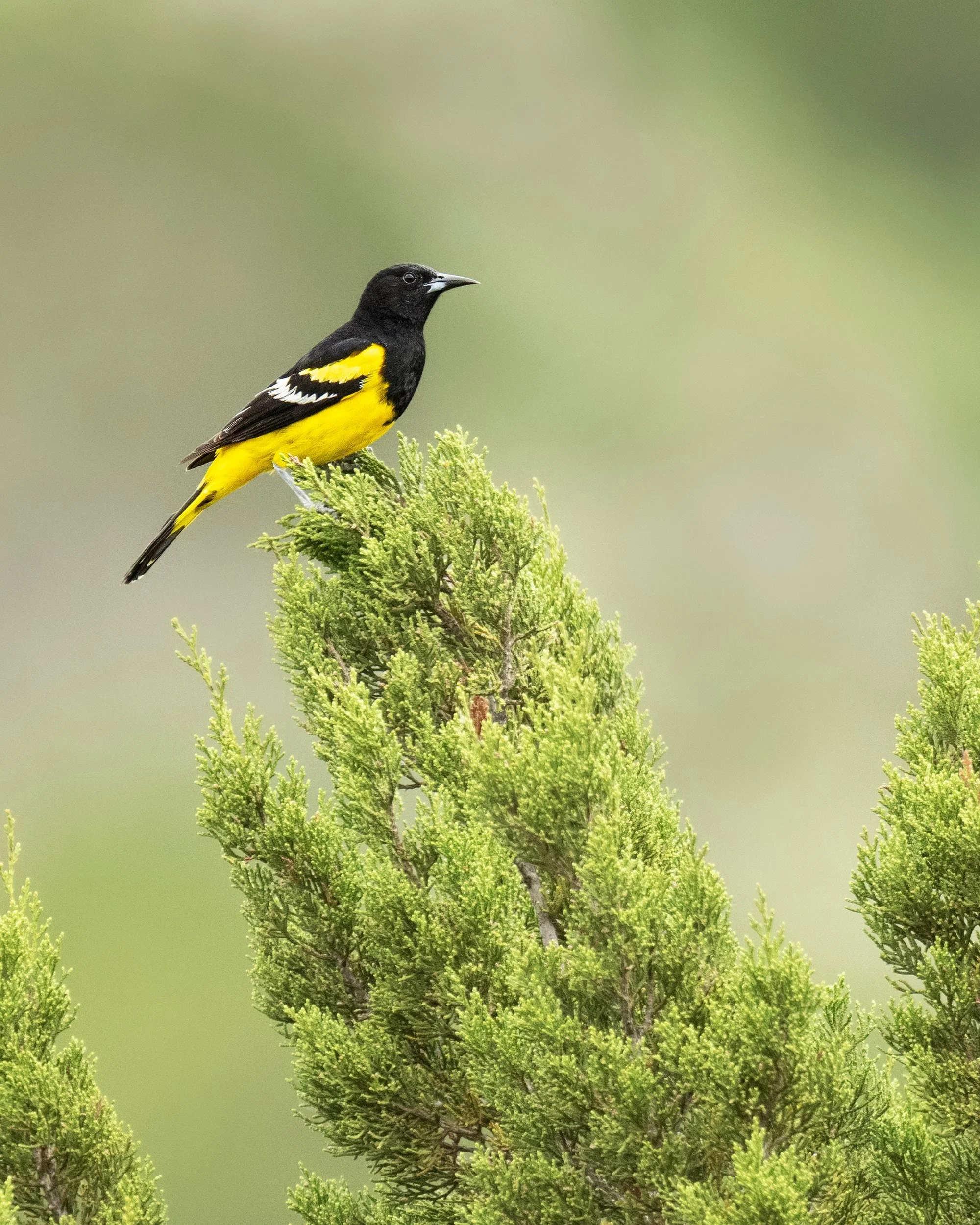
Scott's Oriole (male)
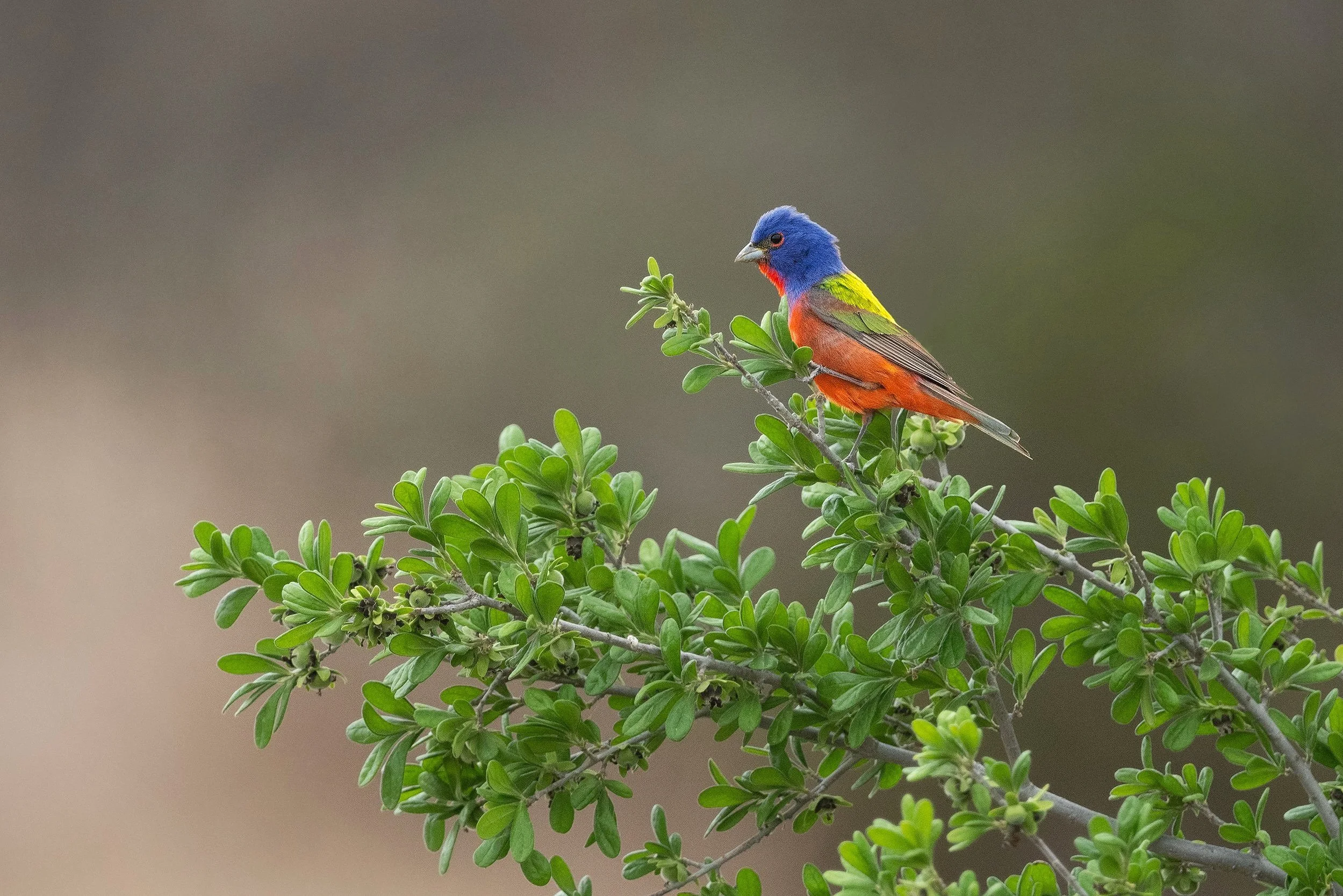
Painted Bunting (male)
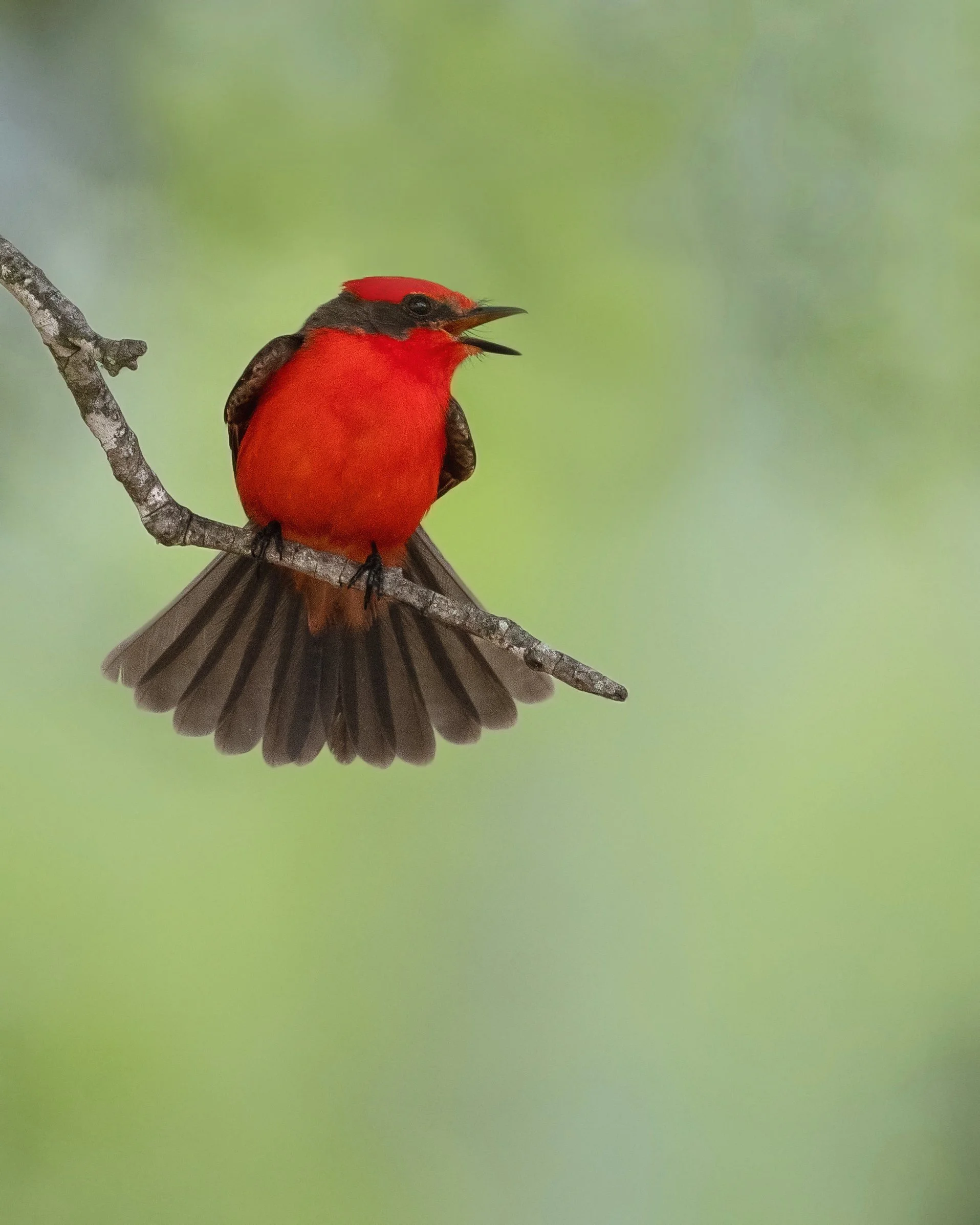
Vermilion Flycatcher (male)
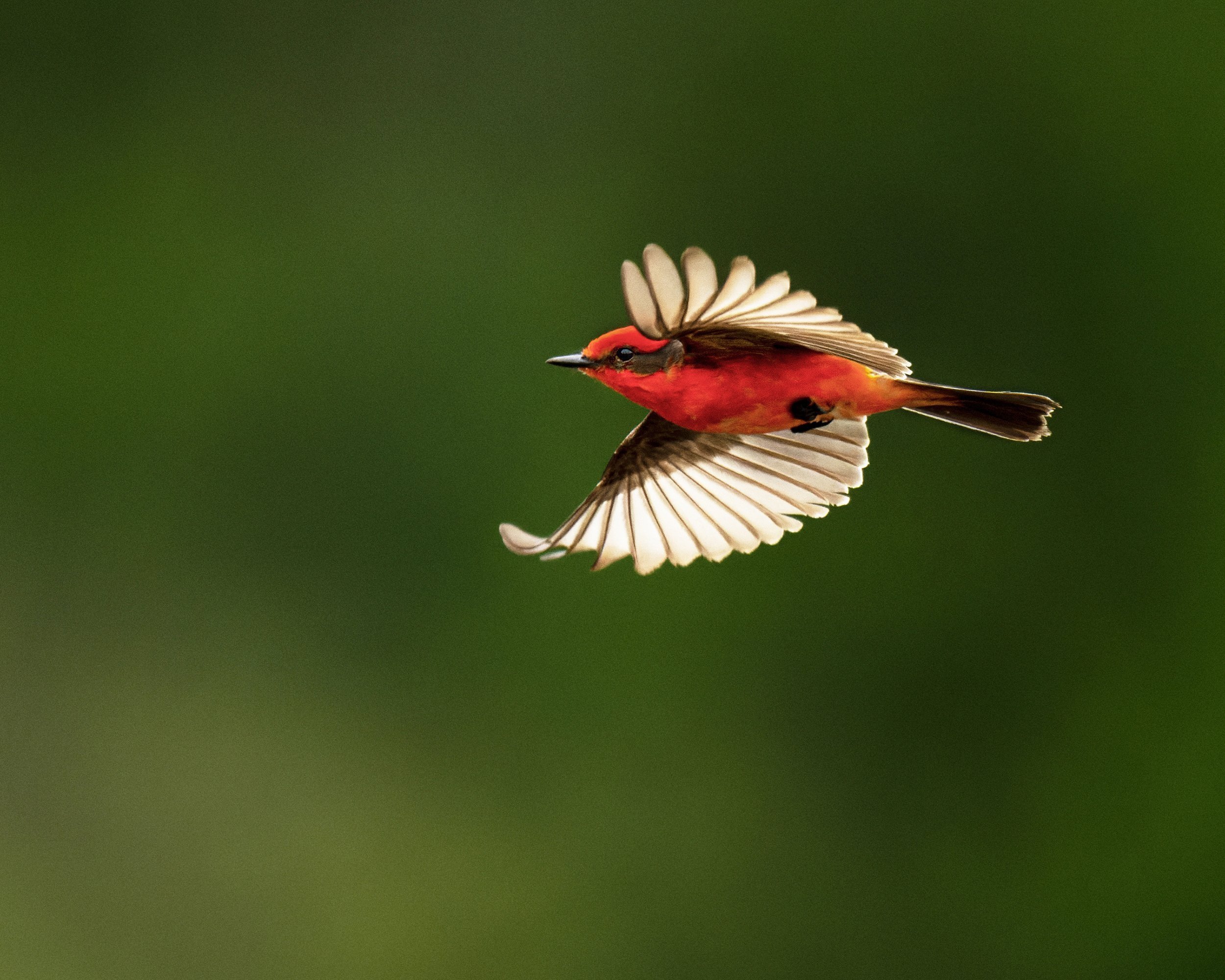
Vermilion Flycatcher (male)
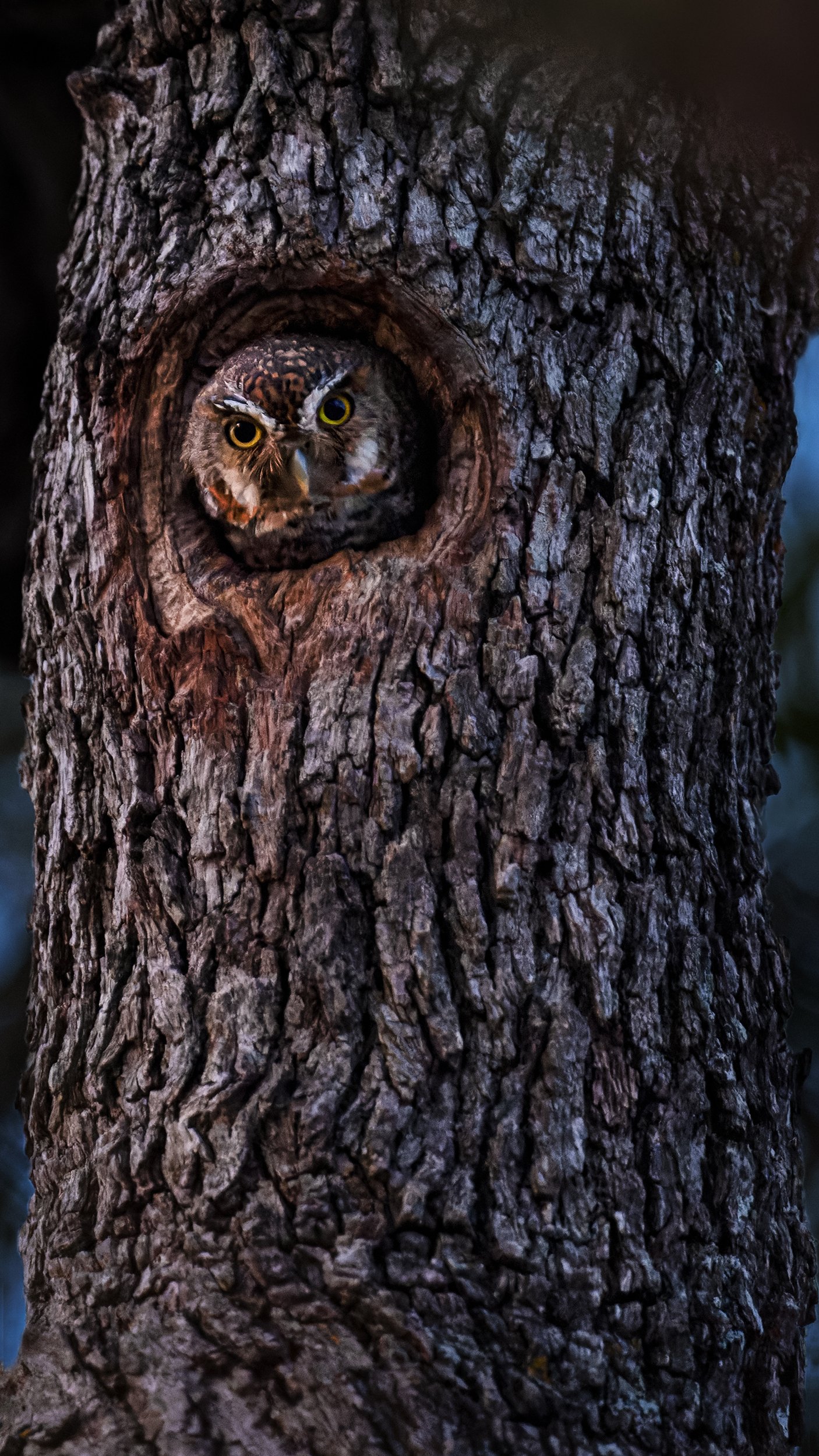
Elf Owl